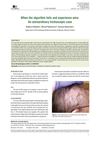
 January 2026 in “Forum Dermatologicum”
 Thorough hair examination is crucial for accurate diagnosis and treatment.
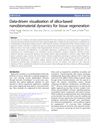 January 2026 in “Microsystems & Nanoengineering”
 Research on silica-based nanobiomaterials for tissue regeneration is rapidly growing, with China leading in volume and the U.S. excelling in impact.
 January 2026 in “Nature Communications”
 A wearable device using NIR light may help treat hair loss non-invasively.
 January 2026 in “Communications Biology”
 Yak hair follicles adapt to cold through specific gene regulation, enhancing cell growth.
 January 2026 in “Scientific Reports”
 PCOS involves immune and genetic factors, with key roles for T cells and specific genes.
 December 2025 in “Nature Communications”
 Blocking IL-17a can improve age-related smell loss in mice.
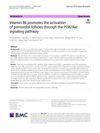 December 2025 in “Journal of Ovarian Research”
 Vitamin B6 may help activate dormant follicles.
 December 2025 in “Scientific Reports”
 Cedrol may help reduce liver fat and fat cell growth caused by corticosteroids.
 December 2025 in “Indian Journal of Case Reports”
 Stopping azathioprine improved hair loss and bone marrow issues.
 December 2025 in “Scientific Reports”
 Valproic acid helps hair follicle stem cells survive better in low oxygen and glucose conditions.
 December 2025 in “Scientific Reports”
 Gut microbiota and metabolic pathways may play a key role in PCOS development.
 December 2025 in “Scientific Reports”
 α-Mangostin can naturally lighten skin by reducing melanin.
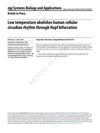 December 2025 in “npj Systems Biology and Applications”
 Cold temperatures can stop human cell circadian rhythms, but warming restores them.
 November 2025 in “Discover Food”
 Catechins-rich tea extract may help reduce hair loss and promote hair growth.
 November 2025 in “Discover Pharmaceutical Sciences”
 The essential oils nanoemulsion promotes hair growth better than 2% minoxidil in mice.
 September 2025 in “Asian Journal of Neurosurgery”
 Minimizing hair shaving before brain tumor surgery can improve self-esteem.
 August 2025 in “DS Reviews of Research in Life Sciences”
 Women with PCOS have higher levels of DHEA, IL-6, and TNF-α.
 August 2025 in “BMC Pregnancy and Childbirth”
 A new EDA gene variant causes X-linked hypohidrotic ectodermal dysplasia in a Chinese family.
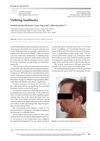 August 2025 in “Endokrynologia Polska”
 A rare pancreatic tumor caused a woman's male-like features, treated successfully with surgery and medication.

This rare genetic disorder causes permanent hair loss and skin bumps from birth.
 May 2025 in “Anatolian journal of obstetrics and gynecology research.”
 Androgens affect many aspects of female health, and more research is needed to understand their roles and treatment potential.
 May 2025 in “Nutrition and Diabetes”
 High 1-hour plasma glucose in PCOS increases risks of metabolic issues and gestational diabetes.
 March 2025 in “International Journal of AYUSH Case Reports”
 Individualized homeopathy may help treat alopecia areata.
 January 2025 in “Ginekologia Polska”
 VDR gene variations may affect carbohydrate metabolism in young women with hyperandrogenism.
 January 2025 in “Bright Sky Publications eBooks”
 Aesthetic medicine is rapidly advancing with new technologies for safer, personalized, and less invasive treatments.
 January 2025 in “Surgical & Cosmetic Dermatology”
 Erbium-YAG laser treatment improved folliculitis decalvans without causing hair loss.
 November 2024 in “Global Journal of Human-Social Science”
 Most people with metabolic syndrome in Brazil have skin issues, especially if they are morbidly obese.
 September 2024 in “Portuguese Journal of Dermatology and Venereology”
 CCCA and LPP may be related hair loss conditions influenced by genetics and environment, needing early treatment.
 August 2024 in “Bioscience of Microbiota Food and Health”
 Microbes might play a role in vitiligo.
 June 2024 in “Namık Kemal Tıp Dergisi”
 Psoriasis patients are more likely to experience maladaptive daydreaming.