 5 citations
,
December 2022 in “Annals Academy of Medicine Singapore”
5 citations
,
December 2022 in “Annals Academy of Medicine Singapore” Some skin medications can have harmful interactions with the COVID-19 drug nirmatrelvir-ritonavir, but not with molnupiravir.
 October 2023 in “Microorganisms”
 Nirmatrelvir/Ritonavir treatment may lead to a weaker immune response to COVID-19, but doesn't affect the chance of rebound.
8 citations
,
August 2022 in “Microorganisms” A standardized drug development platform is essential for efficient and effective drug repurposing, especially during pandemics.
 17 citations
,
September 2024 in “The Indian Journal of Medical Research”
17 citations
,
September 2024 in “The Indian Journal of Medical Research” Long COVID can cause long-lasting symptoms, but vaccination and early treatment can help prevent it.
 1 citations
,
September 2022 in “Sudan Journal of Medical Sciences”
1 citations
,
September 2022 in “Sudan Journal of Medical Sciences” Danoprevir, remdesivir, and saridegib may effectively inhibit SARS-CoV-2.
33 citations
,
August 2024 in “Frontiers in Drug Discovery” Drug repurposing is a faster, cheaper way to develop new treatments using existing drugs.
 10 citations
,
January 2023 in “Molecular and Cellular Biochemistry”
10 citations
,
January 2023 in “Molecular and Cellular Biochemistry” Solanum nigrum shows promise for treating COVID-19 and its complications, but more research is needed.
 4 citations
,
April 2023 in “Cutis”
4 citations
,
April 2023 in “Cutis” COVID-19 can cause or worsen skin issues.
8 citations
,
July 2023 in “Frontiers in Pharmacology” Cepharanthine shows promise as a COVID-19 treatment.
May 2023 in “Clinical and translational neuroscience” Tailored neurorehabilitation programs improve life quality for post-COVID-19 patients.
44 citations
,
April 2023 in “Frontiers in Molecular Biosciences” Long COVID is complex, affects many survivors, and needs more research for effective treatments.
 8 citations
,
March 2023 in “Journal of Clinical Epidemiology”
8 citations
,
March 2023 in “Journal of Clinical Epidemiology” The updated GRADE guidance advises considering context when interpreting variability in research results and introduces tools for assessing subgroup effects.
Certain medications, especially nervous system drugs, can cause insomnia, with risks varying by age and gender.
 February 2026 in “Journal of Thoracic Disease”
 Long COVID is a big health problem needing more research and better treatments.
9 citations
,
June 2022 in “Microorganisms” We need safe, affordable drugs to fight coronaviruses effectively.
October 2025 in “Influenza and Other Respiratory Viruses” Certain alkaloids could help create new coronavirus drugs.
5 citations
,
July 2007 in “PubMed” An HIV patient's complete hair loss was reversed after switching from lopinavir/ritonavir to nelfinavir.
17 citations
,
August 2002 in “AIDS” Indinavir and ritonavir therapy can cause reversible hair loss.
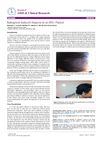 1 citations
,
November 2011 in “Journal of AIDS & Clinical Research”
1 citations
,
November 2011 in “Journal of AIDS & Clinical Research” Raltegravir may cause hair loss in some patients.
7 citations
,
June 2007 in “AIDS” A man's hair loss was linked to his HIV medication, which improved after changing drugs.
15 citations
,
July 2004 in “AIDS” Indinavir therapy can cause reversible skin, hair, and nail darkening.
 7 citations
,
July 2007 in “Pharmacotherapy: The Journal of Human Pharmacology and Drug Therapy”
7 citations
,
July 2007 in “Pharmacotherapy: The Journal of Human Pharmacology and Drug Therapy” The medication lopinavir-ritonavir may cause severe hair loss.
6 citations
,
March 2023 in “Frontiers in Cellular and Infection Microbiology” Golvatinib shows promise as a treatment for Omicron in elderly patients.
1 citations
,
May 2021 in “Journal of the Endocrine Society” A woman developed Cushing syndrome and adrenal insufficiency from using fluticasone and ritonavir together.
 1 citations
,
October 2023 in “Journal of the Endocrine Society”
1 citations
,
October 2023 in “Journal of the Endocrine Society” HIV medication ritonavir can increase the effects of nasal sprays like fluticasone, causing Cushing's syndrome.
7 citations
,
March 2002 in “AIDS” Indinavir, especially with vitamin A, may cause bone changes, but switching to nelfinavir can reduce these effects.
 32 citations
,
October 2004 in “Pharmacotherapy”
32 citations
,
October 2004 in “Pharmacotherapy” Peginterferon alfa-2b and ribavirin therapy for hepatitis C can cause serious side effects, some different from those reported in clinical trials.
May 2025 in “CPT Pharmacometrics & Systems Pharmacology” A 50 mg non-loading dose of ritlecitinib is safe for adults and adolescents.
 October 2022 in “Journal of experimental and clinical medicine”
 Repurposing existing drugs for COVID-19 shows promise but requires more research to confirm effectiveness.
 15 citations
,
January 2024 in “The AAPS Journal”
15 citations
,
January 2024 in “The AAPS Journal” 50-mg ritlecitinib capsules are bioequivalent to 100-mg capsules.