 19 citations
,
December 2015 in “Journal of Investigative Dermatology”
19 citations
,
December 2015 in “Journal of Investigative Dermatology” The protein p53 directly reduces the production of Keratin 17, a skin and hair protein, in rats with radiation dermatitis.
 13 citations
,
July 1951 in “Industrial & Engineering Chemistry”
13 citations
,
July 1951 in “Industrial & Engineering Chemistry” Yeast grown on wood sugar with added methionine could be a cheap alternative to animal protein for feed.
 7 citations
,
January 2014 in “Biological & pharmaceutical bulletin”
7 citations
,
January 2014 in “Biological & pharmaceutical bulletin” Rice bran oil extracted by supercritical CO2 is considered non-genotoxic.
 January 2025 in “BMC Genomics”
 Key genes and RNA networks regulate hair growth and follicle density in Rex rabbits.
 October 2024 in “International Journal of Molecular Sciences”
 Rosa rugosa extract promotes hair growth and could be a natural treatment for hair loss.
Deleting the MAD2L1 gene in mice led to rapid tumor growth despite chromosomal instability.
16 citations
,
November 2018 in “The journal of pain/Journal of pain” 14,15-EET may help reduce poststroke pain by affecting certain brain proteins.
5 citations
,
December 2024 in “Bioengineering” Modified stem cell medium improves healing in diabetic wounds.
5 citations
,
October 2023 in “International Wound Journal” The portable LED device speeds up wound healing.
 2 citations
,
January 2023 in “Pharmaceuticals”
2 citations
,
January 2023 in “Pharmaceuticals” Sex and sex hormones can affect brain inflammation in Parkinson's disease, with male mice being more affected and female mice showing a protective effect.
2 citations
,
September 2020 in “International Journal of Molecular Sciences” Removing certain hair follicle stem cells worsens skin reactions to allergens.
October 2024 in “Biomedical Reports” Superoxidized electrolyzed solution (SES) is more effective for burn healing than common antiseptics.
 November 2023 in “PubMed”
 Naringenin and its combination with minoxidil significantly improved hair growth in mice.
11 citations
,
November 2021 in “International journal of molecular sciences” Gut microbes significantly affect brain steroid levels.
3 citations
,
September 2021 in “Annals of Plastic Surgery” Oxygenated micro/nanobubbles speed up burn wound healing in rats.
9 citations
,
May 2023 in “Stem Cell Research & Therapy” Stem cell treatment from umbilical cords reduces symptoms of atopic dermatitis and may help hair growth.
Prasiola japonica extract may help reduce hair loss and promote hair growth.
February 2026 in “Postgraduate Medicine” 5-alpha reductase inhibitors slightly increase depression risk, but the risk varies based on the control group used.
31 citations
,
September 2020 in “Stem Cell Research & Therapy” Hair follicle stem cells may help repair the brain after a stroke.
23 citations
,
September 2020 in “Journal of Dermatological Science” Targeting Vδ1+T-cells may help treat alopecia areata.
 4 citations
,
September 2021 in “Biomolecules”
4 citations
,
September 2021 in “Biomolecules” Using Platelet-Rich Plasma and Adipose-Derived Mesenchymal Stem Cells together can improve healing, including wound healing, bone regeneration, and hair growth.
December 2025 in “International Journal of Molecular Sciences” Bacopa procumbens extract may help protect the brain in Parkinson's disease.
Allopregnanolone may help reduce inflammation and symptoms related to post-finasteride syndrome.
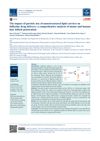 March 2024 in “Bioimpacts”
 400 nm particles penetrate hair follicles best, but mouse models aren't fully reliable for human studies.
AI chatbots can help with scabies education but shouldn't replace doctors.
 March 2026 in “International Journal of Molecular Sciences”
 Grateloupia angusta extract helps heal wounds faster and improve skin repair.
 January 2016 in “Elsevier eBooks”
 The conclusion is that grasping how cells determine their roles through evolution is key, with expected progress from new research models and genome editing.
BMD-1141 effectively regrows hair in alopecia areata with less frequent dosing than current treatments.
 May 2023 in “Scientific Reports”
 The seed extract of Lepidium sativum L. can potentially treat hair loss, showing effects similar to 5% minoxidil.
 140 citations
,
August 2011 in “Biomaterials”
140 citations
,
August 2011 in “Biomaterials” Keratose, derived from human hair, is a non-toxic biomaterial good for tissue regeneration and integrates well with body tissues.