 January 2019 in “Acta dermatovenerologica Alpina, Pannonica et Adriatica (Tiskana izd.)”
 Non-ablative radio frequency can potentially increase hair count in men with androgenetic alopecia, but some may be bothered by the smell during treatment.
 30 citations
,
September 2017 in “Clinics in Dermatology”
30 citations
,
September 2017 in “Clinics in Dermatology” Acanthosis nigricans is a skin condition that may indicate a higher risk for insulin resistance and type 2 diabetes, and more research is needed to understand and treat it.
 May 2026 in “Journal of the Egyptian Womenʼs Dermatologic Society”
 Microneedling radiofrequency improves skin texture and tone by stimulating collagen and elastin.
RNase L hinders hair follicle regeneration by altering immune signals.
 1 citations
,
May 2022 in “Голова и шея.”
1 citations
,
May 2022 in “Голова и шея.” Nasal septum injury in rats changes behavior and affects the nervous system.
 February 2026 in “Mendeley Data”
 Using 5-alpha reductase inhibitors may lower prostate cancer risk in people with androgenetic alopecia.
 February 2025 in “International Journal of Molecular Sciences”
 RORA plays a key role in controlling seasonal hair molting by affecting hair follicle cell activity.
 December 2025 in “Clinical & Experimental Dermatology and Therapies”
 Cosmerna ARI effectively reduces hair loss and increases hair density in Europeans with androgenetic alopecia.
 11 citations
,
March 2014 in “Journal of The European Academy of Dermatology and Venereology”
11 citations
,
March 2014 in “Journal of The European Academy of Dermatology and Venereology” Hair loss gene linked to prostate issues.
 17 citations
,
February 2009 in “Journal of Ethnopharmacology”
17 citations
,
February 2009 in “Journal of Ethnopharmacology” Asiasari radix extract may relieve certain types of pain by affecting GABA and NMDA receptors.
 28 citations
,
March 2010 in “British Journal of Dermatology”
28 citations
,
March 2010 in “British Journal of Dermatology” Genetic marker rs12558842 strongly linked to male hair loss.
 8 citations
,
October 2019 in “Immunological investigations”
8 citations
,
October 2019 in “Immunological investigations” The AIRE gene variant rs2075876 is linked to a higher risk of alopecia areata in males.
3 citations
,
May 2014 in “Urologia Journal” 5ARIs lower PSA levels, but other tests are needed to avoid missing aggressive prostate cancer.
Female rats showed more panic-related behavior than males, influenced by hormonal cycles and certain drugs.
 April 2018 in “The journal of investigative dermatology/Journal of investigative dermatology”
 Double-stranded RNA helps regenerate hair follicles by increasing retinoic acid production and signaling.
April 2026 in “World Allergy Organization Journal” Allergic rhinitis increases hair loss risk, but antihistamines can reduce it.
 April 2026 in “bioRxiv (Cold Spring Harbor Laboratory)”
 Dopamine receptors in the brain influence itch-related scratching behavior.
 1 citations
,
November 2025 in “Frontiers in Immunology”
1 citations
,
November 2025 in “Frontiers in Immunology” More research is needed to understand and manage rheumatoid arthritis better.
 25 citations
,
June 2019 in “Endocrine Related Cancer”
25 citations
,
June 2019 in “Endocrine Related Cancer” Mutations in certain receptors can cause diseases and offer new treatment options.
January 2026 in “ACS Applied Bio Materials” A new treatment using nanoliposomes can improve hair regrowth in androgenetic alopecia.
AnnoPharma effectively identifies substances causing adverse drug reactions in medical abstracts.
 15 citations
,
December 2016 in “Advanced Pharmaceutical Bulletin”
15 citations
,
December 2016 in “Advanced Pharmaceutical Bulletin” The new cream with N-acetyl glucosamine didn't change skin color after 8 weeks.
2 citations
,
April 2024 in “Journal of Dermatological Science” Necrosulfonamide helps hair grow by blocking a protein linked to hair loss.
April 2023 in “Journal of Investigative Dermatology” RNase L suppresses regeneration in mammals.
4 citations
,
July 2024 in “Pharmacology Research & Perspectives” Ritlecitinib is safe and may effectively treat alopecia areata.
 January 2017 in “Journal of clinical & experimental dermatology research”
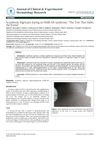
 The case shows skin changes can indicate deeper health issues like insulin resistance, which are challenging to manage.
 January 2020 in “bioRxiv (Cold Spring Harbor Laboratory)”
 Certain genetic variants in ERN1, TACR3, and SPPL2C are linked to when Alzheimer's disease starts.
 November 2025 in “Mendeley Data”
 Using 5-alpha reductase inhibitors may lower prostate cancer risk in people with androgenetic alopecia.
5 citations
,
July 2023 in “Journal of Autonomous Intelligence” Artificial neural networks can accurately diagnose Alopecia Areata.
 April 2026 in “Zenodo (CERN European Organization for Nuclear Research)”
 The model improves understanding of androgen interactions by focusing on signal intensity and system capacity.