Non-drug treatments like saw palmetto, horsetail, pumpkin seed oil, curcumin, and addressing nutritional deficiencies may help female hair loss.
 12 citations
,
September 2014 in “Journal of Food Science and Nutrition”
12 citations
,
September 2014 in “Journal of Food Science and Nutrition” Platycarya strobilacea extract is a strong antioxidant that can grow hair better than minoxidil.
Nanozymes can restore hair growth by fixing peroxisomal function.
January 2026 in “Biomaterials Research” Targeted nanomodulators can rejuvenate cells and promote hair growth in androgenetic alopecia.
43 citations
,
October 2005 in “Molecular and cellular endocrinology” Hair melanocytes help the skin respond to stress and regulate hair pigmentation.
 December 2015 in “Focus on catalysts”
 Pomiferin may improve skin and scalp health by boosting important protein expression.
46 citations
,
December 2010 in “PubMed” Tocotrienol supplements significantly increased hair growth in people with hair loss.
January 2026 in “Psychoneuroendocrinology” Caregiver perspective-taking affects stress hormone levels in people with Alzheimer's.
The nutraceutical with rosemary may reduce inflammation in dog skin.
January 2023 in “IP International Journal of Comprehensive and Advanced Pharmacology” Ayurvedic Rasayan formulations like Chyawanprash may help manage post-COVID symptoms by boosting immunity.
 May 2026 in “Preprints.org”
 The nutrient combination improved hair condition and was safe for women with diffuse hair loss.
7 citations
,
October 2010 in “Medical Hypotheses” Alopecia areata may involve stress-related changes affecting hormone receptors, leading to reduced cortisol production.
 1 citations
,
January 2013 in “Journal of S C C J”
1 citations
,
January 2013 in “Journal of S C C J” Scalp massage reduces stress, increases relaxation, and improves blood circulation.
 February 2024 in “Psychoneuroendocrinology”
 The COVID-19 pandemic did not significantly change stress levels in preschoolers, but higher-income families' children showed higher stress.
December 2025 in “Neurobiology of Stress” People who recently attempted suicide during depression showed signs of adrenal fatigue, but had higher DHEA levels around the attempt time.
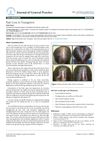 January 2018 in “Journal of general practice”
 Young people are losing hair due to stress, poor diet, pollution, and lack of sleep, but it can be treated with supplements and scalp treatments.
 March 2024 in “Journal of Microbiology and Biotechnology”
 Phloroglucinol may help improve hair loss by promoting hair growth and reducing oxidative stress.
17 citations
,
April 2021 in “Frontiers in Pharmacology” Activating Nrf2 can help protect against hearing loss.
 February 2024 in “Biomedicines”
 Hormones like androgens, estrogen, thyroid hormones, and stress hormones can contribute to hair loss, and treatments target these hormonal imbalances.
 5 citations
,
October 2022 in “Frontiers in bioengineering and biotechnology”
5 citations
,
October 2022 in “Frontiers in bioengineering and biotechnology” Ro stress hindered ginseng root growth and ginsenoside production, but increased certain hormones and affected gene regulation related to plant growth and stress responses.
 April 2018 in “The journal of investigative dermatology/Journal of investigative dermatology”
 Biotrinine® may be an effective treatment for chronic hair loss.
High-stress mothers had lower hair cortisol than low-stress mothers, and daughters' cortisol was linked to their stress response.
27 citations
,
April 2008 in “Neuroscience Letters” Olanzapine reduces stress-related anxiety in rats when given acutely.
22 citations
,
April 2004 in “Journal of Neurochemistry” Acute stress increases Y1 receptor gene expression in certain brain areas, but repeated stress does not.
February 2026 in “Advanced Science” TTNPB helps turn stem cells into neural stem cells, improving depression-like behaviors in rats.
 August 2019 in “Stem cells”
 New treatments for hair loss, fertility, and wound healing are being explored.
 12 citations
,
May 2015 in “Molecular Medicine Reports”
12 citations
,
May 2015 in “Molecular Medicine Reports” Troxerutin helps protect skin cells from oxidative stress and may be good for treating hair loss.
36 citations
,
October 2015 in “Journal of Cosmetic Dermatology” The serum improved skin aging signs by enhancing cell metabolism and reducing wrinkles.
Depressed teens have different steroid levels in urine, which may help identify and treat them.

Blocking 11β-HSD1 reduces stress hormone damage in hair growth cells.