 1 citations
,
January 2018 in “Journal of cosmetology & trichology”
1 citations
,
January 2018 in “Journal of cosmetology & trichology” Hair loss lotion with specific ingredients effectively improves hair growth and thickness safely.
 July 2026 in “Zenodo (CERN European Organization for Nuclear Research)”
 Biochanin A is the safest herbal compound for potential hair loss treatment.
158 citations
,
June 2014 in “Journal of Lipid Research” Lysophospholipids can act as anti-inflammatory agents through specific receptors, but more research is needed.
 2 citations
,
October 2001 in “Analytical Sciences”
2 citations
,
October 2001 in “Analytical Sciences” A new compound that could treat various androgen-related conditions was created and analyzed.
Niosomes improve aminexil's effectiveness in preventing hair loss without needing propylene glycol.
 October 2004 in “Australian Prescriber”
 Agalsidase alfa helps treat Fabry's disease but needs more research for long-term benefits.
January 2026 in “RSC Medicinal Chemistry” Calanthoside may help hair growth by boosting cell proliferation.
 22 citations
,
August 2009 in “Evidence-based Complementary and Alternative Medicine”
22 citations
,
August 2009 in “Evidence-based Complementary and Alternative Medicine” The composition with carnitine, thioctic acid, and saw palmetto extract may effectively reduce inflammation in hair follicle cells.

Red ginseng extract (GS-E3D) may promote hair growth and has antioxidant and anti-inflammatory properties.
 March 2026 in “Journal of Nanobiotechnology”
 A new microneedle treatment can effectively repigment skin in vitiligo.
 9 citations
,
August 2019 in “Journal of The European Academy of Dermatology and Venereology”
9 citations
,
August 2019 in “Journal of The European Academy of Dermatology and Venereology” Minoxidil activation by hair enzymes predicts treatment success for female hair loss.
 January 2025 in “Journal of Contemporary Medical Practice”
 Nano-cerium oxide may help treat hair loss by improving hair growth and reducing certain skin proteins.
 28 citations
,
December 2005 in “Journal of cosmetic dermatology”
28 citations
,
December 2005 in “Journal of cosmetic dermatology” Apple procyanidin applied to the scalp may help grow hair without side effects.
 16 citations
,
August 2015 in “Protein Expression and Purification”
16 citations
,
August 2015 in “Protein Expression and Purification” Scientists successfully made a human growth factor in a plant, which could help with hair growth and bone development.
 4 citations
,
November 2021 in “Journal of Cosmetic Dermatology”
4 citations
,
November 2021 in “Journal of Cosmetic Dermatology” QR678 and QR678 Neo treatments, combined with corticosteroid injections, work better for alopecia areata than corticosteroid injections alone.
January 2022 in “UiTM Institutional Repositories (Universiti Teknologi MARA)” 2EVCO, enhanced with aloe vera and pandan leaves, promotes faster hair growth and improves skin health.
January 2005 in “Belarusian State Pedagogical University repository (Belarusian State Pedagogical University)” 0.5% TPGS boosts hair growth with minoxidil, but 2% TPGS increases minoxidil absorption.
 January 2010 in “Actas Dermo-Sifiliográficas”
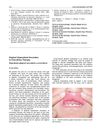
 A woman developed thick gums from everolimus treatment after a kidney transplant.
12 citations
,
July 2011 in “Experimental Dermatology” The ethosomal delivery system improves topical drug delivery and promotes hair growth.
76 citations
,
February 2024 in “International Journal of Molecular Sciences” Hydrogels show promise for improving skin wound healing.
 4 citations
,
September 2020 in “Andrologia”
4 citations
,
September 2020 in “Andrologia” Oregano extract helps fix testis and sperm damage caused by finasteride.
 April 2026 in “Lithuanian University of Health Sciences”
 Cinnamic acid in hydrogels can effectively fight fungi but spreads less than in solution.
June 2024 in “Plastic & Reconstructive Surgery Global Open” JOLT uses fillers to lift and tighten the lower face and neck.
August 2026 in “Zenodo (CERN European Organization for Nuclear Research)” This narrative review evaluates the evidence for six botanical ingredients in Lustrao Hair Regrowth Oil: rosemary oil, peppermint oil, Panax ginseng, castor oil, argan oil, and olive oil. Rosemary oil shows the strongest human clinical evidence, including a randomized trial comparing it to 2% minoxidil for androgenetic alopecia. Peppermint oil has demonstrated hair-growth effects in animal models. Panax ginseng has extensive mechanistic studies involving human hair follicles and dermal papilla cells. Castor and argan oils are more associated with scalp condition and hair appearance than direct regrowth. Olive oil's evidence is mainly from olive-derived compounds in lab studies. The review highlights the varying levels of evidence and limitations, emphasizing that animal and lab studies are not equivalent to human trials and that individual ingredient findings do not confirm the efficacy of the complete product.
July 2024 in “Fitoterapia” Camellia oleifera seed shell polyphenols and 1,3,6-tri-O-galloylglucose can help treat hair loss by reducing certain hormones and promoting hair growth.
 June 2026 in “International Journal of Drug Delivery Technology”
 The new gel improves acne treatment and skin health with better delivery and fewer doses.
7 citations
,
December 2021 in “Pharmaceutics” The nanoemulsion with garlic oil, apple cider vinegar, and minoxidil could effectively treat alopecia areata.
 31 citations
,
November 2014 in “Investigative Ophthalmology & Visual Science”
31 citations
,
November 2014 in “Investigative Ophthalmology & Visual Science” A natural steroid in the body may protect against eye damage in glaucoma.
August 2026 in “Zenodo (CERN European Organization for Nuclear Research)” This narrative review evaluates the evidence for six botanical ingredients in Lustrao Hair Regrowth Oil: rosemary oil, peppermint oil, Panax ginseng, castor oil, argan oil, and olive oil. Rosemary oil shows the strongest human clinical evidence, including a randomized trial comparing it to 2% minoxidil for androgenetic alopecia. Peppermint oil has shown hair-growth effects in animal models. Panax ginseng has extensive mechanistic studies involving human hair follicles and dermal papilla cells. Castor and argan oils are more associated with scalp condition and hair appearance than direct regrowth. Olive oil's evidence is mainly from olive-derived compounds in lab studies. The review highlights the varying levels of evidence and limitations, emphasizing that animal and lab studies are not equivalent to human trials and that individual ingredient findings do not confirm the efficacy of the complete product.
 March 2024 in “Advanced healthcare materials/Advanced Healthcare Materials”
 Scientists developed a new way to create skin-like structures from stem cells using a special 3D gel and a device that improves cell organization and increases hair growth.