3 citations
,
July 2022 in “Indian Journal of Dermatology” ALEP is a drug-triggered skin reaction with pustules that clears up in a week after stopping the drug.
 7 citations
,
December 2016 in “Journal of The Taiwan Institute of Chemical Engineers”
7 citations
,
December 2016 in “Journal of The Taiwan Institute of Chemical Engineers” Pig blood plasma can be used to promote human hair growth and is a good alternative to the commonly used serum additive.
January 2026 in “British Journal of Dermatology” ELF5 is essential for skin cell growth and maintenance.
January 2015 in “Spectrum Research Repository (Concordia University)” Porcine PRP can replace FBS and may promote hair growth.
 November 2025 in “Communications Materials”
 Pomelo peel can be turned into materials that help stop bleeding and heal wounds better than commercial dressings.
August 2004 in “Veterinary Dermatology” More research is needed to understand coat funk in Alaskan malamutes.
January 2026 in “JPRAS Open” PDLLA scalp injections improved hair regrowth in most patients with non-scarring alopecia.
December 2025 in “Anatomy (International Journal of Experimental and Clinical Anatomy)” Palmaris longus muscle absence is uncommon and not linked to gender, hand side, or finger ratio.
7 citations
,
February 2019 in “Veterinary medicine and science” An American Bully with a genetic skin condition improved significantly with specific topical treatments.

The project developed and tested a method using plasma rich platelets to treat hair loss.
November 2018 in “Journal of dermatology & cosmetology” The document reports the first case of a rare skin condition in Colombia, the 19th case worldwide.
11 citations
,
August 2025 in “Journal of Periodontal Research” Platelet-rich fibrin (PRF) is better for natural healing, especially in dental and medical treatments.
46 citations
,
November 2004 in “Lipids” PPARs help regulate skin health and could be used to treat skin disorders.
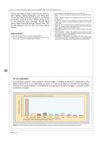
The document corrects a mistake by stating that pimecrolimus, not tacrolimus, is the drug that concentrates in the skin.
8 citations
,
January 2018 in “Journal of Analytical Methods in Chemistry” A new method accurately measures a drug in skin for cancer therapy research.
61 citations
,
September 2011 in “Pain” PEA reduces pain by increasing neurosteroid synthesis in the spinal cord.
38 citations
,
January 2017 in “PPAR Research” PPAR-γ helps control skin oil glands and inflammation, and its disruption can cause hair loss diseases.
56 citations
,
July 2004 in “Mechanisms of Development” Pax9 is crucial for proper tongue surface development and preventing skin-like changes.
 November 2022 in “Journal of Investigative Dermatology”
 Neutrophils quickly respond to skin injury.
 206 citations
,
September 2010 in “PLoS ONE”
206 citations
,
September 2010 in “PLoS ONE” The PIRL laser cuts tissue with less damage and scarring than traditional methods.
52 citations
,
May 2011 in “Journal of Neuroendocrinology” PEA boosts allopregnanolone production and reduces oxidative stress in brain cells.
11 citations
,
August 1948 in “Journal of Investigative Dermatology” Calcium pantothenate therapy improved symptoms of discoid lupus erythematosus without side effects.
 April 2018 in “Journal of Investigative Dermatology”
 People with palmoplantar pustulosis, especially with bone issues, have different mouth bacteria compared to healthy people.
 February 2026 in “PubMed”
 Porcine-derived placental powder may improve wound healing by reducing inflammation and enhancing tissue repair.
 June 2024 in “Journal of Ayub Medical College Abbottabad”
 Combining PRP with Procapil is more effective for hair loss treatment than PRP alone.
1 citations
,
September 2025 in “Wound Repair and Regeneration” Tilapia skin matrix effectively aids skin wound healing and is a promising option for clinical use.
June 2026 in “Kocatepe Veterinary Journal” PRP injections may slightly improve testicular development in male lambs.
 February 2024 in “Jurnal Kesehatan Yamasi Makassar”
 Pondoh salak fruit peel extract is effective in shampoo and has strong antimicrobial properties.
 7 citations
,
March 2017 in “Annals of Plastic Surgery”
7 citations
,
March 2017 in “Annals of Plastic Surgery” The new Mercedes flap variant effectively closed medium-sized scalp defects in a single operation with good cosmetic results and no complications.
 February 2026 in “Frontiers in Pharmacology”
 Platelet-rich plasma can help heal difficult gastrointestinal fistulas after surgery.