2 citations
,
November 2024 in “Journal of Clinical Medicine” Vitamin D3 deficiency can worsen psoriasis by promoting Candida overgrowth.
 1 citations
,
January 2016 in “Dermatology Review”
1 citations
,
January 2016 in “Dermatology Review” Vitamin D might help treat alopecia areata.
July 2026 in “Cell Transplantation” Fibroblasts in hair follicles play a key role in hair loss, suggesting they could be a target for treatment.
May 2026 in “Frontiers in Immunology” Extracellular vesicles can both worsen and potentially treat atopic dermatitis.
January 2025 in “Dermatology Research and Practice” Restoring skin microbial balance may help treat acne.
September 2023 in “Journal of the American Academy of Dermatology” Increased Treg cells and IL-10 may help quick recovery in acute diffuse and total alopecia.
 April 2023 in “The journal of investigative dermatology/Journal of investigative dermatology”
 Too much IKZF1 and Ikaros protein may cause alopecia areata.
 July 2020 in “Benha Medical Journal”
 People with severe Alopecia Areata have higher levels of TGF-β1, which may play a role in the condition.
 April 2018 in “The journal of investigative dermatology/Journal of investigative dermatology”
 Mitochondrial dysfunction may contribute to chronic inflammation and immune system issues in Lichen planopilaris.
 60 citations
,
September 2015 in “Expert Review of Clinical Immunology”
60 citations
,
September 2015 in “Expert Review of Clinical Immunology” Lymphocytes, especially CD8+ T cells, play a key role in causing alopecia areata, and targeting them may lead to new treatments.
17 citations
,
May 2022 in “Frontiers in Immunology” Reprogramming macrophages to resolve inflammation can help reduce severe COVID-19 complications.
 1 citations
,
January 2019 in “Turk Dermatoloji Dergisi”
1 citations
,
January 2019 in “Turk Dermatoloji Dergisi” Oxidative stress is likely important in causing telogen effluvium, and antioxidants might help treat it.
56 citations
,
January 2022 in “Burns & Trauma” WNT5A contributes to keloid scars by promoting cell changes through specific signaling pathways.
35 citations
,
July 2022 in “Frontiers in Cell and Developmental Biology” Proper mTOR signaling is crucial for healthy skin and preventing skin diseases.
17 citations
,
October 2020 in “South African Medical Journal” Fungal infections are common in severe COVID-19 cases but their impact on disease severity is unclear.
 November 2025 in “DOAJ (DOAJ: Directory of Open Access Journals)”
 CD25+ CD4+ Tregs and certain plasma proteins are linked to hair loss.

Microtrauma techniques like microneedling and PRP can help regrow hair in non-scarring alopecia.
 November 2023 in “Journal of Drug Delivery Science and Technology”
 Exosomes may help stimulate hair growth and improve hair loss conditions like androgenic alopecia.

Androgenetic alopecia, or hair loss, is caused by a mix of genetics, hormones, and environment, where testosterone affects hair growth and causes hair to become smaller and grow for a shorter time.
September 2019 in “Journal of Investigative Dermatology” Innate lymphoid cells type 1 may contribute to alopecia areata.
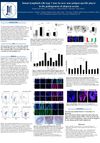
Innate lymphoid cells type 1 may contribute to alopecia areata by damaging hair follicles.
 January 2019 in “Advances in Environmental Biology”
 Propionibacterium acnes contributes to acne and antibiotic resistance, needing new treatments.
 August 2016 in “Journal of Investigative Dermatology”
 Different levels of microRNAs in different parts of the scalp can cause male pattern baldness.
29 citations
,
June 2020 in “International Journal of Molecular Sciences” Notch signaling disruptions can cause various skin diseases.
6 citations
,
January 2005 in “Biology of Blood and Marrow Transplantation” Graft-versus-host disease occurs when donor immune cells attack the recipient's body, causing skin, gut, and liver damage.
3 citations
,
May 2025 in “Journal of Ovarian Research” m6A deregulation plays a key role in PCOS and could lead to new treatments.
 23 citations
,
October 2018 in “Australasian Journal of Dermatology”
23 citations
,
October 2018 in “Australasian Journal of Dermatology” The current understanding of frontal fibrosing alopecia involves immune, genetic, hormonal factors, and possibly environmental triggers, but more research is needed for effective treatments.
37 citations
,
December 2021 in “Cells” Alopecia areata severity and treatment response are linked to specific cytokine levels.
 April 2023 in “The journal of investigative dermatology/Journal of investigative dermatology”
 The study suggests that changes in immune system receptors and their interaction with a cell component may be important in the development of a type of hair loss condition.
127 citations
,
January 2000 in “Journal of Investigative Dermatology” Cytotoxic T cells cause hair loss in chronic alopecia areata.