2 citations
,
May 2024 in “Expert Opinion on Drug Safety” Infections during JAK inhibitor treatment for alopecia areata are usually manageable and rarely stop treatment permanently.
 1 citations
,
March 2026 in “American Journal of Clinical Dermatology”
1 citations
,
March 2026 in “American Journal of Clinical Dermatology” Ritlecitinib effectively regrows hair in severe alopecia areata, especially in adolescents.
1 citations
,
May 2024 in “Italian Journal of Dermatology and Venereology” Alopecia areata is hard to manage and affects quality of life.
 1 citations
,
July 2023 in “Cancers”
1 citations
,
July 2023 in “Cancers” Skin side effects from CDK4/6 inhibitors in breast cancer patients are generally mild and treatable, allowing most patients to continue treatment.
 April 2026 in “Cosmetics”
 Astragalus plants may improve skin health and have anti-aging benefits.
April 2026 in “Clinical and Experimental Dermatology” Dupilumab effectively reduces symptoms of prurigo nodularis and is safe for long-term use.
October 2025 in “Journal of the European Academy of Dermatology and Venereology” People often have negative attitudes towards facial skin conditions, with vitiligo seen most positively and psoriasis viewed most negatively.
 September 2025 in “Journal of the European Academy of Dermatology and Venereology”
 Baricitinib effectively promotes hair regrowth and improves well-being in severe alopecia areata patients.
 March 2025 in “International Journal of Dermatology”
 Baricitinib may help people with long-term alopecia areata.
 November 2024 in “International Journal of Dermatology”
 LC-OCT is a useful noninvasive tool for diagnosing and monitoring alopecia areata.
September 2024 in “Dermatology Reports” Sonidegib often causes hair loss, and LC-OCT helps identify early signs.
173 citations
,
July 2012 in “British Journal of Dermatology” Dabrafenib can cause skin growths and sometimes low-grade skin cancer.
 56 citations
,
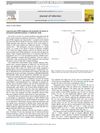
May 2021 in “Journal of infection/The Journal of infection”
56 citations
,
May 2021 in “Journal of infection/The Journal of infection” Most hospitalized COVID-19 patients had long-term symptoms like fatigue and hair loss, with women and those sicker during hospitalization at higher risk.
6 citations
,
December 2022 in “Journal of Infection” The ACE1 gene variant doesn't affect long-COVID symptoms.
1 citations
,
September 2023 in “Journal of the American Academy of Dermatology” Guselkumab significantly improves quality of life for people with moderate to severe psoriasis.
1 citations
,
November 2014 in “Actas dermo-sifiliográficas/Actas dermo-sifiliográficas”  July 2025 in “Bioma Berkala Ilmiah Biologi”
 Wild boar skin from Timor Island has three layers with various structures like hair follicles and glands.
November 2016 in “Cochrane Clinical Answers” 52 citations
,
September 2012 in “Oncogene”  September 2024 in “Journal of the European Academy of Dermatology and Venereology”
 Baricitinib effectively reduces hair loss in severe alopecia areata with mild side effects.
9 citations
,
April 2007 in “Journal of Andrology” Excessive pre-ejaculation can be treated with certain medications.
January 2003 in “Zhonghua shiyan waike zazhi” Androgen, especially DHT, is crucial for erectile function in rats by affecting specific brain neurons.
April 2017 in “The Journal of urology/The journal of urology” SHH protein helps nerve regeneration in hypertensive rats.
April 2017 in “The journal of sexual medicine” 5-alpha-reductase inhibitors significantly affect the penile tissue of hypertensive rats.
 1 citations
,
October 2006 in “Oncology times”
1 citations
,
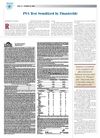
October 2006 in “Oncology times” Finasteride improves prostate cancer detection in PSA test.
 June 2018 in “The Journal of Sexual Medicine”
 Gray-scale ultrasound effectively detects erectile tissue fibrosis in young men with erectile dysfunction after using finasteride.
 1 citations
,
February 2018 in “The Journal of Sexual Medicine”
1 citations
,
February 2018 in “The Journal of Sexual Medicine” Ultrasound shows 96% of young men with erectile dysfunction after using finasteride have abnormal penile tissue.
April 2012 in “The Journal of Urology” Persistent ED in Propecia users is not due to abnormal blood flow.
April 2022 in “The Journal of Urology” Men may experience long-term sexual dysfunction after stopping Finasteride.
April 2017 in “The Journal of urology/The journal of urology” Long-term use of certain prostate drugs can worsen erectile dysfunction by changing penile tissue, especially in rats with high blood pressure.