November 2024 in “Journal of Investigative Dermatology” Blocking the JAK/STAT pathway may help reduce skin sensitivity in Xeroderma pigmentosum.
 November 2023 in “Journal of the American Academy of Dermatology”
 Skin of color can spontaneously repigment after a phenol-croton oil chemical peel.
35 citations
,
October 2003 in “Dermatologic clinics” Laser therapy on darker skin has higher risks and needs expert handling.
52 citations
,
February 2009 in “Journal of the American Academy of Dermatology” A 93-year-old woman developed a rare scalp condition after therapy, which improved with steroids, not antibiotics.
3 citations
,
January 2025 in “Discovery Medicine” Fruit acids can help prevent skin aging from UV exposure.
36 citations
,
May 2025 in “Antioxidants” Lipid peroxidation worsens skin diseases but may help treat cancer.
July 1996 in “Hair transplant forum international” Using tretinoin and hydroquinone can speed up the fading of skin pigmentation.
56 citations
,
December 1978 in “The Journal of Dermatologic Surgery and Oncology” Transplanting small skin grafts can successfully repigment leukoderma.
 July 2026 in “International Journal of Applied Pharmaceutics”
 Hair dyes, especially with PPD, can cause skin and rare systemic reactions, and safer alternatives are needed.
January 2008 in “대한미용학회지” UV exposure severely damages hair, making it rough and weak.
1 citations
,
February 2023 in “IntechOpen eBooks” Targeted photodynamic therapy is a promising method for precise disease treatment and diagnosis.
23 citations
,
May 2010 in “Surface and interface analysis” Chemical treatments and UV radiation severely damage the lipid layer on hair.
February 2016 in “Seoul National University Open Repository (Seoul National University)” Photodynamic therapy can temporarily remove nonpigmented hair but is less effective than lasers for black hair.
 9 citations
,
September 2009 in “Journal of Cutaneous Medicine and Surgery”
9 citations
,
September 2009 in “Journal of Cutaneous Medicine and Surgery” UV light causes skin color loss in bald areas; wear a cap and use sunscreen.
 July 2003 in “Journal of Cutaneous Medicine and Surgery”
 Stopping certain drugs can improve skin conditions, arsenicosis affects over half of a Bangladeshi village, males are more vulnerable, and certain treatments are effective for warts, acne, and psoriasis. Smoking and drinking are linked to psoriasis in men, a cream helps with a type of skin cancer, and low iron levels don't directly cause chronic hair loss in women.
 3 citations
,
May 2011 in “Practice nursing”
3 citations
,
May 2011 in “Practice nursing” As skin ages, it gets thinner, paler, and more wrinkled, and protection and care like sunblock and moisturizers are important.
 50 citations
,
May 2019 in “BioFactors”
50 citations
,
May 2019 in “BioFactors” Pollution increases a compound in the skin that can lead to faster aging and more inflammation.
 1 citations
,
September 2025 in “Journal of Zhejiang University SCIENCE B”
1 citations
,
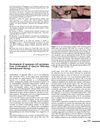
September 2025 in “Journal of Zhejiang University SCIENCE B” Photodynamic therapy successfully treated skin cancer in a 53-year-old woman.
 August 2025 in “Photodermatology Photoimmunology & Photomedicine”
 LED therapy is a promising, non-invasive skin treatment, but needs standardization and personalization.
160 citations
,
July 2008 in “Experimental dermatology” Melatonin protects the skin by scavenging free radicals and repairing DNA damage.
 January 2026 in “Inflammation and Regeneration”
 Two-photon microscopy improves skin imaging but faces safety and cost challenges for clinical use.
January 2017 in “Elsevier eBooks” Radiation therapy for cancer often causes skin problems like redness, dryness, and pain.
 3 citations
,
May 2018 in “European Journal of Dermatology”
3 citations
,
May 2018 in “European Journal of Dermatology” Photodynamic therapy may not work for erythroplasia of Queyrat and could lead to invasive squamous cell carcinoma.
 2 citations
,
January 2022 in “BioMed Research International”
2 citations
,
January 2022 in “BioMed Research International” LED light therapy at 863 nm wavelength can slow down skin tumor growth and reduce inflammation in mice.
 9 citations
,
August 2017 in “Photochemistry and Photobiology”
9 citations
,
August 2017 in “Photochemistry and Photobiology” Red light at 627 nm can safely trigger IL-4 release in skin cells, potentially helping treat inflammatory skin conditions.
 July 2025 in “Scientific Reports”
 Dermal papilla cell-conditioned medium can help reduce skin aging caused by oxidative stress.
November 2025 in “Journal of Investigative Dermatology” Tanning ability is linked to specific DNA changes in skin genes.
 1 citations
,
June 2025 in “Preprints.org”
1 citations
,
June 2025 in “Preprints.org” Climate change harms skin health and reduces the effectiveness of aesthetic treatments.
9 citations
,
January 2021 in “Mediators of Inflammation” 15d‐PGJ2 cream protects against UVB-induced skin damage in mice.
33 citations
,
April 2003 in “Oncogene”