 March 2019 in “Dermatologic Clinics”
 The document concludes that there have been significant advances in the treatment and diagnosis of various skin conditions.
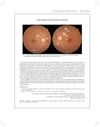 April 2026 in “The National Medical Journal of India”
 Regular eye exams are important for detecting serious complications in lupus patients.
December 2025 in “Biomedicine & Pharmacotherapy” Melamax® protects skin from UV damage and reduces inflammation and oxidative stress.
 May 2025 in “International Medical Case Reports Journal”
 Lichen planus pigmentosus may indicate undetected hepatitis C infection.
June 2024 in “British Journal of Dermatology” Podiatrists need more training to detect foot melanoma early.
4 citations
,
August 2015 in “Journal of Cosmetic Dermatology” Sunscreens with UVA blockers effectively reduce skin fluorescence for several hours.
January 1985 in “Clinical research” Topical alpha-terthienyl with UVA may safely treat psoriasis without cancer risk.
9 citations
,
January 2021 in “Mediators of Inflammation” 15d‐PGJ2 cream protects against UVB-induced skin damage in mice.
22 citations
,
September 1986 in “Journal of Investigative Dermatology” Low-dose topical alpha-terthienyl may be a safer option for treating skin conditions with light therapy.
29 citations
,
July 2013 in “Journal of Investigative Dermatology” UV radiation causes skin cancer, but sunscreens and certain drugs can help prevent it.
31 citations
,
January 2014 in “The Scientific World JOURNAL” Eclipta prostrata extract protects skin cells from UVB damage and has strong antioxidant properties.
 12 citations
,
January 2011 in “Photodermatology, photoimmunology & photomedicine”
12 citations
,
January 2011 in “Photodermatology, photoimmunology & photomedicine” This therapy effectively treats resistant alopecia areata with minimal side effects.
31 citations
,
February 1999 in “Dermatologic surgery” Sun exposure after laser hair removal can cause skin darkening, which is hard to treat and requires avoiding UV light.
65 citations
,
November 2008 in “Pediatric Dermatology” Phototherapy is effective and well-tolerated for treating childhood psoriasis and pityriasis lichenoides chronica.
1 citations
,
July 2025 in “Journal of Photochemistry and Photobiology B Biology” Photobiomodulation helps protect hair follicle cells from damage caused by DHT.
2 citations
,
April 2021 in “International Journal of Cosmetic Science” The sunscreen with two antioxidants offers quick and lasting skin protection from sun damage.
May 2026 in “Journal of Photochemistry and Photobiology” Solar radiation and pollution damage hair, especially light-colored and bleached hair.
1 citations
,
January 1994 in “Drug Development and Industrial Pharmacy” Topical radioprotectors can reduce radiation-induced hair loss.
2 citations
,
December 2013 in “Journal of Cosmetic Dermatology” UV treatment can damage hair, so protection is advised.
13 citations
,
August 2021 in “Journal of Cosmetic Dermatology” Tea extracts can protect hair from UV damage.
7 citations
,
January 2001 in “Comprehensive series in photosciences” UV radiation significantly damages hair, especially with humidity, making it more vulnerable to further damage.
2 citations
,
June 2025 in “Frontiers in Public Health” Regular mole checks and UV protection are crucial, especially for fair-skinned and health-compromised individuals.
16 citations
,
April 2025 in “Journal of the American Academy of Dermatology” Photobiomodulation is safe and effective for treating certain conditions like nerve pain and hair loss.
 10 citations
,
August 2024 in “Clinical Cosmetic and Investigational Dermatology”
10 citations
,
August 2024 in “Clinical Cosmetic and Investigational Dermatology” Natural ingredients may help reduce skin aging by protecting cells and boosting collagen.
1 citations
,
January 2007 in “Side effects of drugs annual” Dermatological treatments can have significant side effects, including allergic reactions, sexual dysfunction, and increased cancer risk.
September 2015 in “Photodiagnosis and Photodynamic Therapy”  December 2020 in “Nippon Laser Igakkaishi”
 Photobiomodulation therapy is beneficial in plastic surgery and dermatology.
 27 citations
,
December 2014 in “Current problems in dermatology”
27 citations
,
December 2014 in “Current problems in dermatology” Photodynamic therapy is the preferred treatment for skin precancer due to its effectiveness and safety.
1 citations
,
February 2025 in “Photodermatology Photoimmunology & Photomedicine” 830 nm LED light effectively treats and prevents skin redness and dark spots, while 590 nm LED light only helps prevent them.
Nano-sized sunscreens may penetrate skin and pose toxicity risks.