 August 2015 in “Advances in Small Animal Medicine and Surgery”
 Low-level laser therapy may help regrow hair in dogs with non-inflammatory hair loss.
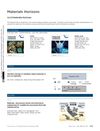 January 2026 in “Materials Horizons”
  December 2025 in “MEDFARM Jurnal Farmasi dan Kesehatan”
 Topical metformin shows promise for treating skin conditions like acne and psoriasis.

A new microneedle patch helps repair spinal cord injuries by reducing scarring and promoting nerve growth.
 January 2024 in “Regenerative Biomaterials”
 Metal organic frameworks-based scaffolds show promise for tissue repair due to their unique properties.
 May 2022 in “Research Square (Research Square)”
 OBEME effectively enhances wound healing and could be a promising carrier for skin treatments.
 May 2019 in “Pakistan Journal of Pharmaceutical Sciences”
 CO2 laser treatment may be more effective for skin rejuvenation.
 18 citations
,
August 2018 in “Facial Plastic Surgery Clinics of North America”
18 citations
,
August 2018 in “Facial Plastic Surgery Clinics of North America” Lasers, microneedling, and PRP improve skin rejuvenation and repair, with PRP enhancing the effects when combined with other treatments.
 15 citations
,
February 2008 in “Annals of plastic surgery”
15 citations
,
February 2008 in “Annals of plastic surgery” Most patients were satisfied with diode laser hair removal and experienced no long-term side effects.
 33 citations
,
September 2016 in “Lasers in Surgery and Medicine”
33 citations
,
September 2016 in “Lasers in Surgery and Medicine” Fractional resurfacing is safe and effective for certain skin conditions in Asian patients, but care must be taken to avoid skin pigmentation issues.
 January 2026 in “Nano-Micro Letters”
 4D scaffolds made with melt electrowriting can change shape for use in medicine.
 October 2021 in “The Egyptian Journal of Hospital Medicine ”
 Combination therapies work better than single treatments for atrophic acne scars.
Microneedle technology is effective for skin rejuvenation and enhancing cosmeceutical delivery, with ongoing innovation and increasing commercialization.
 April 2026 in “International Journal of Nanomedicine”
 Quercetin delivery systems are improving its effectiveness for medical use.
 119 citations
,
March 2020 in “Frontiers in Bioengineering and Biotechnology”
119 citations
,
March 2020 in “Frontiers in Bioengineering and Biotechnology” Asia has made significant progress in tissue engineering and regenerative medicine, but wider clinical use requires more development.
 108 citations
,
December 2003 in “Lasers in surgery and medicine”
108 citations
,
December 2003 in “Lasers in surgery and medicine” ICG-enhanced NIR laser therapy may be a promising acne treatment with improvement and no side effects.
 57 citations
,
March 2024 in “Nano-Micro Letters”
57 citations
,
March 2024 in “Nano-Micro Letters” The nanoplatform helps heal wounds by balancing bacteria-killing and inflammation-reducing functions.
 39 citations
,
April 2019 in “Journal of Biomaterials Science, Polymer Edition”
39 citations
,
April 2019 in “Journal of Biomaterials Science, Polymer Edition” RADA16 is a promising material for tissue repair and regenerative medicine but needs improvement in strength and cost.
 38 citations
,
July 2021 in “ACS Nano”
38 citations
,
July 2021 in “ACS Nano” Microneedles help treat hair loss by improving hair surroundings and promoting growth.
 33 citations
,
January 2021 in “Aesthetic Surgery Journal”
33 citations
,
January 2021 in “Aesthetic Surgery Journal” Low-Level Light Therapy (LLLT) is a safe and effective method for skin rejuvenation, acne treatment, wound healing, body contouring, and hair growth, but more well-designed trials are needed for confirmation.
 17 citations
,
January 2024 in “Journal of Materials Chemistry B”
17 citations
,
January 2024 in “Journal of Materials Chemistry B” A new nanoagent effectively kills bacteria and speeds up wound healing.
 7 citations
,
March 2016 in “Journal of Cosmetic and Laser Therapy”
7 citations
,
March 2016 in “Journal of Cosmetic and Laser Therapy” Home-use lasers and IPL devices are unlikely to directly cause paradoxical hair growth; it may be linked to inflammation or hormonal issues.
 6 citations
,
July 2021 in “Microbial biotechnology”
6 citations
,
July 2021 in “Microbial biotechnology” The combined treatment with engineered bacteria and yellow LED light improved wound healing in mice.
 5 citations
,
October 2025 in “International Journal of Nanomedicine”
5 citations
,
October 2025 in “International Journal of Nanomedicine” Traditional Chinese Medicine and biomaterials help heal chronic wounds by targeting multiple pathways.
 2 citations
,
January 2011 in “Elsevier eBooks”
2 citations
,
January 2011 in “Elsevier eBooks” Early treatment of acne is crucial to prevent scarring and psychological effects.
 2 citations
,
July 2004 in “Proceedings of SPIE, the International Society for Optical Engineering/Proceedings of SPIE”
2 citations
,
July 2004 in “Proceedings of SPIE, the International Society for Optical Engineering/Proceedings of SPIE” Near-infrared laser therapy with Indocyanine Green dye improves acne by reducing inflammation without side effects.
 May 2026 in “Discover Chemistry.”
 Bio-degradable polymers can replace petroleum plastics using eco-friendly methods for a sustainable future.
 April 2026 in “International Journal of Drug Delivery Technology”
 Nanoparticle-based dressings and theranostic innovations improve chronic wound care by effectively targeting biofilms and offering precise treatment.
 February 2026 in “Frontiers in Bioengineering and Biotechnology”
 Liposome-based systems improve skin wound healing effectively.
 January 2026 in “Microsystems & Nanoengineering”
 Research on silica-based nanobiomaterials for tissue regeneration is rapidly growing, with China leading in volume and the U.S. excelling in impact.