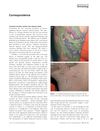
 June 2011 in “International Journal of Dermatology”
 A man's red tattoo caused a skin reaction and hair loss in his beard, which improved after treatment.
 June 2026 in “Saudi Medical Horizons Journal”
 JAK inhibitors show promise in treating skin conditions like eczema, hair loss, and vitiligo but need more safety research.
 December 2025 in “International Journal of Research in Ayurveda and Pharmacy”
 Ayurvedic treatment, including Pracchana Karma, successfully improved vitiligo in a young woman.
 260 citations
,
June 2011 in “Cell”
260 citations
,
June 2011 in “Cell” Wnt signaling is crucial for pigmented hair regeneration by controlling stem cell activation and differentiation.
 11 citations
,
January 2004 in “Exogenous dermatology”
11 citations
,
January 2004 in “Exogenous dermatology” Outside factors like grooming, chemicals, and the environment can damage hair and cause disorders.
 6 citations
,
November 2011 in “Journal of Dermatological Science”
6 citations
,
November 2011 in “Journal of Dermatological Science” A new gene mutation may allow some piebaldism patients to regain skin color in white patches.
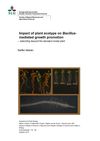 September 2018 in “Epsilon Archive for Student Projects (University of Southampton)”
 Bacillus amyloliquefaciens can boost root hair growth in some Arabidopsis plants, potentially improving agriculture.
 184 citations
,
November 2014 in “Developmental Cell”
184 citations
,
November 2014 in “Developmental Cell” Hair follicle dermal stem cells are key for regenerating parts of the hair follicle and determining hair type.
 1 citations
,
March 2019 in “Lasers in Surgery and Medicine”
1 citations
,
March 2019 in “Lasers in Surgery and Medicine” The conference reported improvements in muscle volume, skin cancer diagnosis, facial and vaginal rejuvenation, and hair growth using various laser treatments.
 July 2025 in “Scientific Reports”
 Fermented grapeseed oil effectively repairs and protects chemically damaged hair.
3 citations
,
April 2023 in “Research Journal of Pharmacy and Technology” Calendula Officinalis extract can be used to create an effective natural hair dye.
3 citations
,
December 2017 in “Journal of Psychiatric Research” Hair samples can't reliably detect hypercortisolism in anorexia nervosa patients.
 September 2025 in “Journal of Cutaneous and Aesthetic Surgery”
 Scalp micropigmentation improves appearance and satisfaction in scarring alopecia but may require repeat sessions.
 January 2024 in “Molecules (Basel. Online)”
 Juglone from walnut extracts may help repair damaged hair.
20 citations
,
February 2023 in “Biology” Innovative cosmetics could safely change hair color by targeting biological hair pigmentation processes.
 2 citations
,
January 2022 in “Lasers in Medical Science”
2 citations
,
January 2022 in “Lasers in Medical Science” Using a carbon dioxide laser and platelet-rich plasma together can effectively restore hair and patients are generally satisfied with the results.
September 2025 in “Aesthetic Surgery Journal” Exosome therapies improve skin and hair rejuvenation effectively.

Recombinant type XVII collagen may help regrow hair by activating specific cell pathways.
November 2025 in “JPRAS Open” Exosome therapy could help with hair loss, but more research and regulation are needed.
4 citations
,
January 2024 in “The Scientific World JOURNAL” Understanding hair follicle development helps create treatments for hair loss and improve hair health.
2 citations
,
September 2025 in “Journal of Clinical Medicine” Regenerative medicine could revolutionize aesthetic surgery, but needs careful validation and ethical use.
 January 2025 in “Frontiers in Medicine”
 Hair follicles are key to treating vitiligo and alopecia areata, but challenges exist.
March 2024 in “International journal of molecular sciences” Mitochondrial dysfunction is linked to various skin conditions and could be a target for treatments.
 2 citations
,
August 2023 in “Life”
2 citations
,
August 2023 in “Life” Bioinspired polymers are promising for advanced medical treatments and tissue repair.
 56 citations
,
November 2010 in “Pigment Cell & Melanoma Research”
56 citations
,
November 2010 in “Pigment Cell & Melanoma Research” Brain hormones significantly affect hair color and could potentially be used to prevent or reverse grey hair.
15 citations
,
January 2017 in “Pigment International” Early hair graying is often inherited and influenced by genetics, environment, and lifestyle, but treatment options are limited.
 4 citations
,
April 1999 in “Dermatologic Clinics”
4 citations
,
April 1999 in “Dermatologic Clinics” Long-pulsed ruby lasers effectively reduce hair for up to 2 years with minimal pain.
 150 citations
,
April 1999 in “Dermatologic Clinics”
150 citations
,
April 1999 in “Dermatologic Clinics” Laser hair removal effectiveness depends on targeting hair structures without harming the skin, and improvements require more research and expert collaboration.
 73 citations
,
April 1999 in “Dermatologic Clinics”
73 citations
,
April 1999 in “Dermatologic Clinics” Lasers and light sources can effectively remove hair, work best on fair skin with dark hair, and usually need multiple treatments.
 31 citations
,
April 1999 in “Dermatologic Clinics”
31 citations
,
April 1999 in “Dermatologic Clinics” Nd:YAG laser can reduce hair with multiple treatments, but permanent removal isn't guaranteed.