17 citations
,
September 2024 in “Cosmetics” Cold-pressed plant oils have valuable natural antioxidants and skin care benefits.
December 2025 in “Cosmetics” New treatments for alopecia show promise in restoring hair growth by targeting immune and hormonal factors.
 11 citations
,
February 2021 in “Trends in Food Science and Technology”
11 citations
,
February 2021 in “Trends in Food Science and Technology” Impatiens plants have health-promoting compounds and are used for natural food coloring, but more research is needed to understand their full benefits.
 April 2026 in “International Journal of Research in Pharmacology & Pharmacotherapeutics”
 Plant compounds may help hair growth and improve alopecia treatments.
December 2025 in “Dietetics” European olive products are beneficial for skin care and are expected to become more important.
 September 2025 in “Frontiers in Cell and Developmental Biology”
 TCM-derived nanovesicles show promise for wound healing and skin regeneration but need more research.
1 citations
,
February 2024 in “Diversity” African plants can treat hair issues and may help with diabetes.
 January 2022 in “Acta botanica Caucasica”
 Turkish herbal cosmetics use various plants for hair care, skincare, and other personal hygiene purposes.
 October 2025 in “Interdiciplinary Journal and Hummanity (INJURITY)”
 Kalimantan herbal plants have beneficial compounds supporting traditional medicine and potential therapeutic uses.
 May 2026 in “International Journal of Drug Delivery Technology”
 Nanotechnology improves the effectiveness of medicinal plant compounds in drug delivery.
 271 citations
,
May 2019 in “Cells”
271 citations
,
May 2019 in “Cells” The secretome from mesenchymal stem cells is a promising treatment that may repair tissue and avoid side effects of stem cell transplantation.
 20 citations
,
September 2015 in “Protein expression and purification”
20 citations
,
September 2015 in “Protein expression and purification” Scientists made safflower seeds produce a human growth factor that could help with hair growth and wound healing.
 120 citations
,
April 2009 in “Food Chemistry”
120 citations
,
April 2009 in “Food Chemistry” Hibiscus plant extracts may have health benefits like lowering blood pressure and protecting the heart.
 March 2024 in “Journal of medicinal plants studies”
 Hibiscus has medicinal benefits but can be toxic in high doses and is unsafe for pregnant women and infants.
 4 citations
,
February 2021 in “Nano select”
4 citations
,
February 2021 in “Nano select” MSC-Exos can aid organ development and offer therapeutic benefits for various conditions.
 5 citations
,
March 2024 in “Acta Scientiarum Polonorum Technologia Alimentaria”
5 citations
,
March 2024 in “Acta Scientiarum Polonorum Technologia Alimentaria” Underutilized seeds like jackfruit, Indian almond, and tamarind have valuable nutrients and compounds that can be used sustainably in various industries.
 26 citations
,
May 2021 in “International Journal of Molecular Sciences”
26 citations
,
May 2021 in “International Journal of Molecular Sciences” Cheonggukjang may help prevent and manage various diseases and improve overall health, but its odor and safety concerns need addressing.
 170 citations
,
September 2019 in “Evidence-based Complementary and Alternative Medicine”
170 citations
,
September 2019 in “Evidence-based Complementary and Alternative Medicine” Some medicinal plants can help heal wounds and may lead to new treatments.
 14 citations
,
December 2013 in “Molecules”
14 citations
,
December 2013 in “Molecules” Two compounds from Asiasarum heterotropoides roots show potential as lung cancer treatments without harming normal cells.
 November 2025 in “Frontiers of Agricultural Science and Engineering”
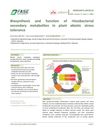
 Rhizobacterial strain RT3 helps lettuce survive drought by producing protective substances like proline.

Phyla nodiflora contains compounds that may help treat diabetes, hair loss, cancer, and fluid retention.
 July 2025 in “International Journal of Allied Medical Sciences and Clinical Research”
 Eclipta prostrata is a medicinal herb with potential health benefits for various conditions and could be used in modern medicine.
16 citations
,
March 2024 in “International Journal of Molecular Sciences” Natural compounds and biomimetic engineering can improve wound healing by enhancing fibroblast activity.
3 citations
,
September 2025 in “Cosmetics” Extracellular vesicles could revolutionize skincare by improving skin repair and anti-aging, but face regulatory and cost challenges.
106 citations
,
August 2021 in “Pharmaceuticals” Extracellular vesicles help heal skin wounds and could be used for better treatments.
8 citations
,
July 2021 in “F1000Research” Plant-based compounds might be a promising alternative for prostate cancer treatment with fewer side effects.
 July 2024 in “Gene & Protein in Disease”
 Exosome therapy shows promise for treating skin conditions and improving wound healing.
January 2021 in “Faculty of 1000 Research Ltd” Phytochemicals may offer safer alternatives to synthetic drugs for prostate cancer treatment.
 June 2025 in “Journal of Cosmetic Dermatology”
 Botanical extract shampoo and tonic improved hair loss in most participants.
December 2025 in “Pharmaceutics” EV-based drug delivery shows promise but faces challenges in standardization and scalability.