 1 citations
,
January 2022 in “Stem cell biology and regenerative medicine”
1 citations
,
January 2022 in “Stem cell biology and regenerative medicine” New methods to test hair growth treatments have been developed.
 April 2026 in “Biomedicines”
 Wound healing is not fully understood, requiring more research and collaboration to improve treatments.
 March 2026 in “International Journal of Molecular Sciences”
 Grateloupia angusta extract helps heal wounds faster and improve skin repair.
 February 2026 in “Stem Cell Research & Therapy”
 Stem cell therapies show promise for hair regrowth in alopecia areata but need more research for safety and effectiveness.
 August 2025 in “International Journal of Nanomedicine”
 Metal-organic frameworks can help heal wounds, reduce scars, and promote hair growth, but more research is needed.
Exosome therapies improve skin, hair, and healing but face challenges like cost and regulation.
January 2025 in “Pharmaceuticals” Peptide-based hydrogels are promising for healing chronic wounds effectively.

Peptide hydrogels show promise for healing skin, bone, and nerves but need improvement in stability and compatibility.
7 citations
,
November 2025 in “Pharmaceutics” Polymer- and lipid-based nanostructures can improve wound healing by controlling contamination, supporting cell growth, and aiding tissue repair.
1036 citations
,
August 2019 in “Cells” Mesenchymal stem cells can help repair body tissues with low risk of rejection.
80 citations
,
January 2020 in “Journal of Nanobiotechnology” Nanomaterials can aid tissue repair and healing but need more safety research.
48 citations
,
December 2022 in “Biomolecules” 3D bioprinting shows promise for creating advanced skin for healing wounds and reducing animal testing.
42 citations
,
July 2021 in “Frontiers in Cell and Developmental Biology” Oral mucosa heals with minimal scarring, offering insights for scarless wound healing.
38 citations
,
November 2024 in “Scientific Reports” The new wound dressing speeds up healing and kills bacteria effectively.
36 citations
,
July 2022 in “Stem Cell Research & Therapy” SVF may improve nanofat treatment for acne scars, but more research is needed.
20 citations
,
November 2021 in “Frontiers in cell and developmental biology” Skin organoids from stem cells could better mimic real skin but face challenges.
18 citations
,
December 2022 in “Frontiers in Bioengineering and Biotechnology” Superwettable bio-interfaces improve wound care by better managing fluids.
17 citations
,
October 2023 in “Science Progress” Polycaprolactone and barium titanate composites show promise for use in biomedical applications.
10 citations
,
March 2024 in “Frontiers in Bioengineering and Biotechnology” Photothermal hydrogels can kill bacteria and help heal tissue using light-converted heat.
7 citations
,
August 2023 in “Frontiers in Cardiovascular Medicine” New methods improve stem cell delivery for heart disease, but challenges remain.
 6 citations
,
January 2015 in “Journal of regenerative medicine & tissue engineering”
6 citations
,
January 2015 in “Journal of regenerative medicine & tissue engineering” The review concludes that innovations in regenerative medicine, tissue engineering, and developmental biology are essential for effective tissue repair and organ transplants.
3 citations
,
August 2024 in “Biomimetics” The hydrogel effectively heals wounds and fights bacteria.
 2 citations
,
May 2024 in “European journal of medical research”
2 citations
,
May 2024 in “European journal of medical research” A special medium from stem cells significantly boosts hair growth and could help treat hair loss.
2 citations
,
August 2022 in “Aesthetic Plastic Surgery” March 2026 in “Tissue Engineering and Regenerative Medicine” October 2025 in “International Journal of Molecular Sciences” Stem cells have great potential for treating various medical conditions.
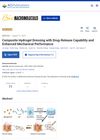 August 2025 in “Biomacromolecules”
 The hydrogel dressing improves wound healing, offers long-lasting antibacterial effects, and enhances patient comfort.
 July 2024 in “Frontiers in Bioengineering and Biotechnology”
 Storing nanofat at -20°C for 7 days does not harm its ability to regenerate.
 June 2024 in “Synthetic and systems biotechnology”
 A fragment of human type XVII collagen shows great potential for skin health and wound healing.
89 citations
,
January 2021 in “Molecules” Biopolymeric composites need advanced properties for better use in medicine and healing.