 1 citations
,
October 2014 in “Molecular Biology of the Cell”
1 citations
,
October 2014 in “Molecular Biology of the Cell” Valentina Greco emphasizes the importance of combining business management with mentoring to run a successful academic lab.
 1 citations
,
September 2013 in “Revue d'Épidémiologie et de Santé Publique”
1 citations
,
September 2013 in “Revue d'Épidémiologie et de Santé Publique” Higher unemployment rates are linked to increased suicide rates, especially in men aged 25-49 in France.
 1 citations
,
September 2013 in “Mayo Clinic Proceedings”
1 citations
,
September 2013 in “Mayo Clinic Proceedings” A woman's hair loss was treated successfully with iron supplements for her iron deficiency.
 1 citations
,
October 2012 in “Medical Hypotheses”
1 citations
,
October 2012 in “Medical Hypotheses” The conclusion suggests that treatments targeting root causes of chronic diseases may be developed by focusing on gene expression and lifestyle factors.
1 citations
,
February 2012 in “InTech eBooks” CK7 and CK20 help identify and classify tumors for accurate cancer diagnosis.
 1 citations
,
March 2011 in “Journal of Investigative Dermatology”
1 citations
,
March 2011 in “Journal of Investigative Dermatology” Blocking RANK signaling might help treat metastatic melanoma, but more research is needed.
 1 citations
,
February 2010 in “Proceedings of SPIE”
1 citations
,
February 2010 in “Proceedings of SPIE” Low level laser therapy may help regenerate hair cells in the ear after damage from gentamicin.
1 citations
,
June 2009 in “WakeSpace (Wake Forest University)” Keratin biomaterials can effectively aid peripheral nerve regeneration and improve recovery.
1 citations
,
January 1992 in “DNA sequence” Researchers found a non-functional sheep keratin gene due to mutations.
 1 citations
,
October 1987 in “Drug Information Journal”
1 citations
,
October 1987 in “Drug Information Journal” The article concludes that products can affect the body without being drugs as long as they don't claim to treat or prevent diseases, except for cosmetic sunscreens.
March 2026 in “Bioconjugate Chemistry” Peptide-based PROTACs show promise in targeting hard-to-treat proteins, especially for cancer therapy.
 June 2026 in “Journal of health economics and outcomes research”
 Ritlecitinib is more effective and cheaper than baricitinib for treating severe alopecia areata.

Cichlid fish regenerate teeth quickly due to specific cell interactions and gene expressions.

Deucravacitinib improves symptoms and reduces inflammation in Lichen Planopilaris.
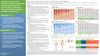 March 2026 in “SKIN The Journal of Cutaneous Medicine”
 All parts of the CLASI-A score are important for assessing skin activity in cutaneous lupus erythematosus.
 March 2026 in “SHILAP Revista de lepidopterología”
 Cosmeceuticals effectively treat skin issues but need better regulation and safety measures.
 March 2026 in “Portuguese Journal of Dermatology and Venereology”
 Avoid hair dye after microneedling to prevent scalp pigmentation.
February 2026 in “Middle European Scientific Bulletin” Improving scalp microbiome may help restore hair and improve scalp health.

Plasma-activated water heals diabetic wounds better than other treatments.
 January 2026 in “Journal of Ayurveda and Integrated Medical Sciences”
 Pippalyadi Agad may help counteract harmful effects of toxic cosmetics.
December 2025 in “International Journal of Innovative Technologies in Social Science” Alcohol and nicotine harm skin health and speed up aging.
November 2025 in “Journal of Dermatological Treatment” PRP combined with minoxidil may help treat hair loss, but better methods and standardized practices are needed.
November 2025 in “Journal of Investigative Dermatology” Radiation-induced hair loss may be caused by hair growth stopping and inflammation in blood vessels.
November 2025 in “SKIN The Journal of Cutaneous Medicine” Ritlecitinib 50 mg effectively promotes and sustains hair regrowth in alopecia areata patients.
Higher nitric oxide synthase levels in the scalp may influence hair loss in androgenetic alopecia.
October 2025 in “International Journal of Dermatology” Baricitinib is a safe and effective treatment for alopecia areata, with better results in patients with lower initial severity, shorter disease duration, and longer treatment.
 September 2025 in “Journal of Skin and Stem Cell”
 The combination of calcipotriol and PRP is the most effective treatment for alopecia areata.
September 2025 in “International Journal of Pharmacy and Biomedical Engineering” Drug repurposing finds new uses for existing drugs, speeding up treatment availability and reducing costs.
 September 2025 in “Modern medical technology”
 FUE with DHI effectively restores natural hair growth in difficult scalp areas.
September 2025 in “Headache The Journal of Head and Face Pain” The ACP's migraine treatment guidelines are flawed and don't prioritize patient safety.