 11 citations
,
October 2021 in “Carbohydrate Polymers”
11 citations
,
October 2021 in “Carbohydrate Polymers” Ginkgo biloba polysaccharides may reduce inflammation and promote hair growth in mice with hair loss.
January 2025 in “SSRN Electronic Journal” The hydrogel speeds up wound healing by fighting infections and supporting tissue repair.
3 citations
,
October 2024 in “International Journal of Molecular Sciences” Acetylsalicylic acid affects platelet-rich plasma activation, requiring personalized approaches for effective treatment.
12 citations
,
October 2015 in “Journal of bioactive and compatible polymers” Keratin hydrogel from human hair is a promising biocompatible material for soft tissue fillers.
The treatment showed promising results in improving advanced-stage hair loss.
15 citations
,
January 2017 in “Polymers” Polyelectrolytes can improve cell surfaces for better medical applications.
January 2016 in “Frontiers in Bioengineering and Biotechnology” A wool hair keratin hydrogel is promising for growing cells and tissue engineering.
11 citations
,
October 2024 in “PLoS ONE” Phage-containing hydrogels effectively heal wounds infected with Enterococcus faecalis.
Different amounts of propylene glycol change the thickness of katuk leaf hair tonic.
 May 2026 in “İzmir Katip Çelebi Üniversitesi Sağlık Bilimleri Fakültesi Dergisi”
 3D printed alginate-gelatin hydrogels are promising for drug delivery and testing treatments for diseases like Alzheimer's.
49 citations
,
January 2017 in “Journal of Materials Chemistry B” The hydrogel helps heal skin injuries by promoting blood vessel and hair growth.
 3 citations
,
March 2022 in “Polymers”
3 citations
,
March 2022 in “Polymers” Substances from Ascidian tunics might help treat hair loss as effectively as Minoxidil.
8 citations
,
March 2007 in “International Journal of Cosmetic Science” 6-O glucose linoleate helps human hair grow and produce lipids.
 June 2026 in “Gümüşhane Üniversitesi Fen Bilimleri Enstitüsü Dergisi”
 PVA/agar films with Achillea millefolium essential oil are promising for wound dressings due to good strength and selective antibacterial effects.
16 citations
,
March 2015 in “Clinical and experimental dermatology” Mycophenolic acid may help treat hair loss by promoting hair growth and cell proliferation.
January 2026 in “Open Science Framework” More research is needed to find effective treatments for hair loss caused by valproic acid.
 April 2021 in “HIV & AIDS Review”
 Glycyrrhizinic acid spray showed limited effectiveness in treating anogenital warts in HIV patients with low CD4 levels.
13 citations
,
August 2022 in “Nanomaterials” The new wound dressing helps heal abdominal wall defects faster by improving the wound environment.
 April 2026 in “Biomolecules”
 Curcumin-based polyurethanes with more PEG improve curcumin release and maintain strong antioxidant and antibacterial properties.
June 2026 in “Journal of Pharmaceutical Innovation” 4 citations
,
May 2018 in “European journal of dermatology/EJD. European journal of dermatology” Fumaric acid esters might help treat alopecia areata, but more research is needed.
19 citations
,
January 2015 in “International Journal of Cosmetic Science” The improved nanoparticles can effectively target hair follicles for drug delivery.
January 2012 in “RepositóriUM (Universidade do Minho)” PLA nanoparticles can effectively deliver treatments to hair follicles, showing potential for hair therapy.
 February 2025 in “International Journal of Cosmetic Science”
 A new amino acid derivative, ATS, improves hair texture and moisture, making it easier to straighten curly hair.
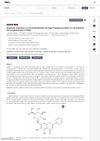
Enzymatic synthesis improved the water solubility of the flavonoid baicalin, which may help treat hair loss conditions.
13 citations
,
August 1985 in “Archives of Internal Medicine” Polysorbate 60 does not help with male pattern baldness.
3 citations
,
January 2025 in “PubMed” PCL threads are most effective for youthful skin by boosting collagen.
September 2025 in “OPAL (Open@LaTrobe) (La Trobe University)” The hydrogel effectively heals diabetic wounds and promotes hair growth.
11 citations
,
July 2024 in “Biomimetics” Injectable biomimetic gels can help heal tissues and deliver drugs but need improvements in strength and delivery.
 5 citations
,
January 2021 in “BioMed Research International”
5 citations
,
January 2021 in “BioMed Research International” Noncrosslinked hyaluronic acid helps human hair cells grow and could be a potential hair loss treatment.