Polyglutamic acid is a valuable, sustainable ingredient for skincare and haircare products.
March 2026 in “ACS Applied Bio Materials” The TO-TF copolymer strengthens damaged hair effectively and sustainably.
 April 2017 in “Journal of Investigative Dermatology”
 Applying pseudoceramide improved skin and hair health.
June 2026 in “Chemical Engineering Journal” 11 citations
,
January 2020 in “Engineered science” June 2026 in “ACS Applied Polymer Materials” New polymer fibers can produce proteins and have potential uses in masks and swabs.
2 citations
,
August 2025 in “Pharmaceutics” PN hydrates skin; PDRN heals and regenerates skin and hair.
 26 citations
,
August 2016 in “ACS Applied Materials & Interfaces”
26 citations
,
August 2016 in “ACS Applied Materials & Interfaces” A boronic acid copolymer quickly forms cell clusters, useful for tissue and tumor modeling.
October 2025 in “Coloration Technology” Delipidised wool is brighter, dyes better, and is more eco-friendly.

Polydopamine is promising for personalized medicine and biomedical technology due to its strong adhesion and biocompatibility.
 August 2021 in “Han'gug miyong haghoeji/Journal of the Korean society of cosmetology”
 Using natural polyphenol cross-linkers like tannic acid and green tea extract in perm treatments improves curling and protects hair.

A rigid compound with a common structural motif was successfully synthesized.
January 2021 in “Hair therapy & transplantation” Combining PRF and PDO threads shows promise in treating male pattern baldness.
January 2026 in “International Journal of Cosmetic Science” Upcycled pineapple biopolymer is effective and eco-friendly for skincare, suncare, and haircare.

Polyethylene glycol 400 and glycerol are effective as moisturizers in anti-hair loss cream with saw palmetto extract.
 1 citations
,
March 2024 in “International Journal of Applied Pharmaceutics”
1 citations
,
March 2024 in “International Journal of Applied Pharmaceutics” Propylene glycol concentration improves rice water gel shampoo's thickness and foam, extending its shelf life.
 April 2017 in “Journal of Investigative Dermatology”
 10% carbamide peroxide is safe and effectively reduces mild to moderate acne.
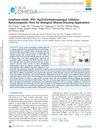
 January 2026 in “Biomaterials Science”
 The formulation helps improve wound healing and skin repair.
 22 citations
,
September 2019 in “ACS omega”
22 citations
,
September 2019 in “ACS omega” The new nanocomposite films are stronger, protect against UV, speed up wound healing, and are antibacterial without being toxic.
6 citations
,
October 2003 in “Journal of applied polymer science” A new method using poly(ethylene imine) improves hair dyeing at lower temperatures with better color retention.
January 2016 in “Frontiers in Bioengineering and Biotechnology” Keratin-based hydrogels can be improved for medical use by adding PEG, making them more soluble and adjustable.
 67 citations
,
February 1983 in “The Journal of Dermatologic Surgery and Oncology”
67 citations
,
February 1983 in “The Journal of Dermatologic Surgery and Oncology” Vigilon, a new wound dressing, promotes faster and better healing with less pain.
 11 citations
,
January 2006 in “Drug development and industrial pharmacy”
11 citations
,
January 2006 in “Drug development and industrial pharmacy” Adding TPGS to minoxidil solutions can improve skin penetration and retention, especially in water and PEG 400-based solutions.
 4 citations
,
November 2017 in “Journal of Cosmetic Dermatology”
4 citations
,
November 2017 in “Journal of Cosmetic Dermatology” Certain polymers can stick to hair and increase volume, working best at a pH of 7 to 9.
 December 2023 in “Journal of materials chemistry. B”
 A new nanoemulsion increases oxygen for hair cells, leading to better hair growth.
 January 2025 in “Biomedical Engineering Letters”
 MXD@CP could be a promising new topical treatment for hair loss.
March 2026 in “Advanced Healthcare Materials”  January 2026 in “Journal of Community Medicine and Health Solutions”
 PP405 shows promise as a new, effective treatment for hair loss with minimal side effects.
January 2010 in “EPub Bayreuth (University of Bayreuth)” Polyquaternium-87 reduces hair friction the most among tested polymers.
1 citations
,
November 2023 in “Polymers” Polyurethane dressings show promise for wound healing but need improvements to adapt better to the healing process.