June 2026 in “ACS Applied Polymer Materials” New polymer fibers can produce proteins and have potential uses in masks and swabs.
 February 2026 in “International Journal of Molecular Sciences”
 Removing Lrig1-positive cells in mice leads to temporary loss of sebaceous glands.
 March 2023 in “Scientific reports”
 Hair growth-related cells need the enzyme SCD1 to help maintain the area that supports hair growth.

Single-born goats produce more and finer cashmere than twin-born goats.
June 2026 in “Dermatology” Frontal fibrosing alopecia has a higher remission rate than lichen planopilaris.
RNA-based treatments show promise for managing Hutchinson-Gilford Progeria Syndrome.
 March 2026 in “International Journal of Molecular Sciences”
 PRP therapy's success varies and depends on PRP quality and patient condition, with athletes benefiting more.
 March 2026 in “Pharmaceutics”
 Plant-derived nanovesicles show promise in cancer treatment but need standardized preparation.
March 2026 in “SKIN The Journal of Cutaneous Medicine” Ritlecitinib is being tested for safety and effectiveness in young children with severe alopecia areata.
 February 2026 in “BMC Plastic and Reconstructive Surgery”
 Induced pluripotent stem cells could improve chronic wound healing but face safety and effectiveness challenges.
Dupilumab may worsen hair loss in patients with alopecia areata.
January 2026 in “JDDG Journal der Deutschen Dermatologischen Gesellschaft” A 5-year-old boy has Nevus Comedonicus Syndrome, causing skin lesions and a cataract.
January 2026 in “Advanced Science” A new wound dressing helps heal diabetic wounds faster by reducing inflammation and promoting tissue growth.
 January 2026 in “MEDS Clinical Medicine”
 Plum-blossom needle therapy shows promise for treating hair loss but needs more research.
 December 2025 in “IP Indian Journal of Clinical and Experimental Dermatology”
 Androgenetic alopecia treatments are becoming more personalized and include new therapies like topical antiandrogens and regenerative strategies.
November 2025 in “Journal of Investigative Dermatology” Estetrol may help prevent hair loss and support hair growth in women.
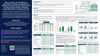 November 2025 in “SKIN The Journal of Cutaneous Medicine”
 Upadacitinib effectively treats severe alopecia areata and is safe.
September 2025 in “International Journal of Medical Informatics” A machine learning model can predict scarring in lichen planopilaris using factors like vitamin D levels and diagnostic delay.
 August 2025 in “MedScien”
 Tumor-targeted drug carriers can improve chemotherapy precision and reduce side effects.
August 2025 in “Biomaterials” A new therapy using secretions from fetal cartilage cells shows promise for safe and effective hair regrowth.
July 2025 in “Journal of Investigative Dermatology” Wnt and SHH pathways help form hair follicles by coordinating cell processes.
July 2025 in “Genome biology” HT-scCAT-seq helps understand gene regulation in embryonic skin development.
May 2025 in “OPAL (Open@LaTrobe) (La Trobe University)” Current treatments for non-scarring alopecia have limited effectiveness and side effects, while natural remedies may offer safer alternatives but need more research.
May 2025 in “International Journal of Trichology” Partially bald areas in Indian AGA patients still have hair growth cells, suggesting early treatment is best.
 April 2025 in “Cellular and Molecular Biology”
 Human dermal stem/progenitor cells can divide and differentiate more than hair follicle dermal papilla cells.
 February 2025 in “bioRxiv (Cold Spring Harbor Laboratory)”
 Keratin 15 helps keep skin cells in a young, undifferentiated state.
January 2025 in “Dermatology Research and Practice” Restoring skin microbial balance may help treat acne.
 September 2024 in “Frontiers in Veterinary Science”
 A simple enrichment program improves health and reproduction in Calomys callosus.
September 2024 in “Journal of the American Academy of Dermatology” Organizations help patients access discounts for expensive dermatology medications.
July 2024 in “JAAD International” Androgenetic alopecia worsens with age in Japanese men.