 1 citations
,
October 2021 in “Cureus”
1 citations
,
October 2021 in “Cureus” Platelet-rich plasma treatment may safely and effectively reduce skin lesions in psoriasis and atopic dermatitis.
 1 citations
,
November 2018 in “Dermatologic Therapy”
1 citations
,
November 2018 in “Dermatologic Therapy” Compounded topical preparations should be used with caution for severe psoriasis and generally come after systemic treatments.
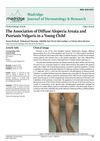 1 citations
,
October 2018 in “Madridge journal of dermatology & research”
1 citations
,
October 2018 in “Madridge journal of dermatology & research” A young child with alopecia areata and psoriasis improved with treatment, suggesting a link between the two conditions.
 1 citations
,
January 2018 in “Journal of clinical & experimental dermatology research”
1 citations
,
January 2018 in “Journal of clinical & experimental dermatology research” The study found no link between vitamin D deficiency and psoriasis but suggests more research is needed.
 1 citations
,
October 2014
1 citations
,
October 2014 The document concludes that diagnosing and managing plaque psoriasis, particularly in sensitive areas, is challenging and requires careful differentiation from similar skin conditions.
1 citations
,
January 2010 in “Acta Chirurgica Latviensis” Inflammation in psoriasis may trigger antimicrobial peptides and cell death.
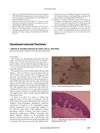 1 citations
,
January 2009 in “Actas Dermo-Sifiliográficas”
1 citations
,
January 2009 in “Actas Dermo-Sifiliográficas” Docetaxel, a chemotherapy drug, was reported to cause psoriasis in a patient for the first time.
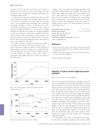 1 citations
,
August 2005 in “British Journal of Dermatology”
1 citations
,
August 2005 in “British Journal of Dermatology” Accidentally eating a topical steroid may rarely cause acute generalized pustular psoriasis.
 1 citations
,
April 2024 in “Skin research and technology”
1 citations
,
April 2024 in “Skin research and technology” Topical rosuvastatin and melatonin creams significantly reduce psoriasis severity and are safe.
 1 citations
,
December 2022 in “PubMed”
1 citations
,
December 2022 in “PubMed” Psoriasis treatments don't raise severe COVID-19 risk, except for acitretin.
 July 2026 in “Clinical Cosmetic and Investigational Dermatology”
 New drug delivery systems can improve treatment for psoriasis and atopic dermatitis by enhancing drug absorption and targeting.
 June 2026 in “International Journal of Ayurveda and Pharma Research”
 Ayurvedic treatment significantly improved psoriasis symptoms.
May 2026 in “Advanced Pharmaceutical Bulletin” Black cumin oil-based carriers improve psoriasis treatment better than standard creams.
May 2026 in “SKIN The Journal of Cutaneous Medicine” Bimekizumab can improve scarring alopecia in severe psoriasis.
 April 2026 in “Frontiers in Medicine”
 Upadacitinib effectively treats psoriasis and lichen planus together.
April 2026 in “Meditsinskiy sovet = Medical Council” Scalp psoriasis is a chronic condition that can be managed with treatments like corticosteroids and salicylic acid.
 March 2026 in “Health Psychology Report”
 Self-compassion can help reduce body shame and psychological distress in people with alopecia and psoriasis.
 February 2026 in “Frontiers in Immunology”
 Human amniotic stem cells can safely treat psoriasis-like skin in mice.
 February 2026 in “Aesthetic Cosmetology and Medicine”
 People with psoriasis are using cannabis products for skin care but need more reliable information and education.
January 2026 in “Clinics and Practice” Baricitinib helps alopecia areata and may improve psoriasis, but its effect on psoriatic arthritis is unclear.
 January 2026 in “Zenodo (CERN European Organization for Nuclear Research)”
 An integrated treatment approach effectively managed plaque psoriasis, leading to complete symptom resolution and hair regrowth.
 January 2026 in “Zenodo (CERN European Organization for Nuclear Research)”
 An integrated treatment approach effectively managed plaque psoriasis, leading to complete symptom resolution and hair regrowth.
November 2025 in “Scientific Reports” Notopterygii rhizoma et radix (Qiang Huo) can effectively treat psoriasis by reducing skin symptoms and inflammation.
 October 2025 in “Dermatology Practical & Conceptual”
 Psoriasis patients are more likely to develop alopecia areata due to complex autoimmune interactions.
October 2025 in “Journal of the European Academy of Dermatology and Venereology” People often have negative attitudes towards facial skin conditions, with vitiligo seen most positively and psoriasis viewed most negatively.
 October 2025 in “International Research Journal of Ayurveda & Yoga”
 Kusthadi Lepa may effectively manage psoriasis symptoms safely.
July 2025 in “Nano Research” Microneedles offer a promising, less invasive way to treat and monitor psoriasis.
July 2025 in “Journal of Investigative Dermatology” Systemic therapy may reduce male infertility in psoriasis patients.
July 2025 in “Journal of Investigative Dermatology” IL-17 inhibitors are more effective than methotrexate in preventing psoriatic arthritis in psoriasis patients.
 July 2025 in “Scientific Reports”
 Pioglitazone, Trimipramine, and Dimetindene may be repurposed to treat psoriasis.