14 citations
,
October 2024 in “Nano Convergence” The hydrogel with silver nanoparticles effectively heals MRSA-infected wounds.
 13 citations
,
March 2017 in “PubMed”
13 citations
,
March 2017 in “PubMed” People with a common type of hair loss have higher stress levels in their body, and treatments that reduce this stress could help.
12 citations
,
September 2021 in “Journal of molecular structure” The MXD/24HA salt is more effective for hair growth than raw MXD.
12 citations
,
October 2001 in “Journal of the American Academy of Dermatology” Topical 5% minoxidil lacks strong evidence for treating alopecia areata.
8 citations
,
November 2023 in “Frontiers in Bioengineering and Biotechnology” Combining metals and herbs in microneedles can improve wound healing.
7 citations
,
January 2025 in “Current Issues in Molecular Biology” Microbial-derived polydeoxyribonucleotide is a better and more sustainable alternative to salmon-based versions for healing and immune support.
5 citations
,
November 2022 in “Diversity” South African wild foods may help prevent cardiovascular disease.
3 citations
,
July 2025 in “Gels” Engineered protein hydrogels improve medical treatments by mimicking natural body structures.
 2 citations
,
August 2023 in “Life”
2 citations
,
August 2023 in “Life” Bioinspired polymers are promising for advanced medical treatments and tissue repair.
 2 citations
,
June 2023 in “Pharmaceutics”
2 citations
,
June 2023 in “Pharmaceutics” Nanofiber scaffolds help wounds heal by delivering drugs directly to the injury site.
 2 citations
,
May 2023 in “Nanomaterials”
2 citations
,
May 2023 in “Nanomaterials” Microemulsions could improve skin drug delivery but face challenges like complex creation and potential toxicity.
2 citations
,
March 2022 in “Laboratory Animal Research” A mild botulinum toxin injection improved sperm production and movement in aging mice.
2 citations
,
June 2018 in “Cosmetics” AMPD is a better and less damaging alternative to ammonium hydroxide for hair bleaching.

Polydopamine is promising for personalized medicine and biomedical technology due to its strong adhesion and biocompatibility.
 February 2026 in “Cosmetics”
 Fenugreek is a promising cosmetic ingredient for skin and hair care.
 February 2026 in “Inflammopharmacology”
 Pistacia atlantica leaf ointment effectively heals wounds like phenytoin, with added antibacterial and anti-inflammatory benefits.
December 2025 in “Biopolymers” Heat worsens damage in chemically treated hair, especially bleached and straightened hair.
August 2025 in “Materials Today Bio” The modified nanofibrous dressings effectively heal infected wounds by reducing bacteria and inflammation.
 February 2025 in “Biomimetics”
 The shampoo straightens hair while keeping it healthy and less damaged.
Ajuga reptans L. extracts have strong antioxidant, anti-inflammatory, liver-protective, antimicrobial, and wound-healing properties.
 January 2025 in “Nature Communications”
 Large-scale reconstructions enhance understanding of vibrissal sensory mapping in the brain.
 January 2025 in “Advanced Materials Interfaces”
 Tannic acid can reduce hair loss by 56.2% by coating hair and releasing beneficial molecules.
October 2023 in “Biomimetics” The new hair-dyeing shampoo is safe, colors hair evenly, and strengthens it.
 July 2023 in “International Journal of Endocrinology”
 Centratherum anthelminticum seed extract effectively treats Polycystic Ovary Syndrome in rats.
February 2025 in “Journal of Receptors and Signal Transduction” EGCG may help regrow hair by inhibiting a specific enzyme.
March 2022 in “Journal of drug delivery and therapeutics” Sea hibiscus leaf extract at 30% concentration in a hair tonic significantly increased hair growth in guinea pigs.
 May 2026 in “International Journal of Molecular Sciences”
 Hydroxytyrosol may help treat hair loss by reducing inflammation and oxidative stress.
 1 citations
,
January 2018 in “AUSTRALIAN JOURNAL OF BASIC AND APPLIED SCIENCES”
1 citations
,
January 2018 in “AUSTRALIAN JOURNAL OF BASIC AND APPLIED SCIENCES” Zapoteca portoricensis extract may help protect against prostate issues and support liver and kidney health in rats.
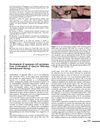 3 citations
,
May 2018 in “European Journal of Dermatology”
3 citations
,
May 2018 in “European Journal of Dermatology” Photodynamic therapy may not work for erythroplasia of Queyrat and could lead to invasive squamous cell carcinoma.
 2 citations
,
January 2025 in “Pharmaceutical Research”
2 citations
,
January 2025 in “Pharmaceutical Research” Angelica gigas Nakai root extracts may help with cancer, pain, memory loss, and metabolic issues.