 4 citations
,
January 2021 in “Journal of Clinical Medical Research”
4 citations
,
January 2021 in “Journal of Clinical Medical Research” c-Kit is important for heart regeneration and cancer development.
 12 citations
,
August 2018 in “Journal of Dermatological Science”
12 citations
,
August 2018 in “Journal of Dermatological Science” Scientists made stem cells that can grow hair by adding three specific factors to them.
 2 citations
,
September 2022 in “Cytotherapy”
2 citations
,
September 2022 in “Cytotherapy” Fat-derived stem cells show promise for treating skin issues and improving wound healing, but more research is needed to confirm the best way to use them.
 March 2026 in “Biomedicines”
 Antera 3D® offers more precise and detailed scar assessment than traditional methods.
11 citations
,
March 2023 in “Stem Cell Research & Therapy” Epidermal stem cells improve skin graft survival by promoting early blood vessel formation.
2 citations
,
February 2018 Raman spectroscopy can help identify cancerous skin tissue during surgery.
10 citations
,
June 2024 in “Skin Research and Technology” Autologous epidermal cell suspensions speed up healing and reduce complications in skin lesion treatment but have limited impact on cosmetic outcomes.
 November 2025 in “Stem Cell Research & Therapy”
 Human hair follicle cells can help regenerate hair and reduce inflammation, aiding in hair loss treatment.
 273 citations
,
May 2017 in “The Lancet”
273 citations
,
May 2017 in “The Lancet” Some drugs can cause rare but potentially deadly skin reactions, and early treatment and avoiding the drug again are key.
2 citations
,
November 2023 in “Skin Research and Technology” RCM and dermoscopy help identify different types of hair loss in children.
 January 2026 in “Mendeley Data”
 Hair follicle stem cell exosomes help nerve regeneration.

Removing SIX1 in fat cells reduces skin fibrosis.
15 citations
,
November 2020 in “Development” Stem cells in the eye have different roles and behaviors, helping maintain and repair the eye's surface.
142 citations
,
August 2015 in “Arthritis & Rheumatology” Systemic sclerosis skin shows varied gene patterns, suggesting potential for personalized treatment.
 January 2026 in “Mendeley Data”
 Hair follicle stem cell exosomes help nerve regeneration.
 3 citations
,
August 2020 in “Journal of The American Academy of Dermatology”
3 citations
,
August 2020 in “Journal of The American Academy of Dermatology” Degenerative changes in the lower cervical spine are common in patients with abnormal scalp sensations, with some improvement seen using pain medication and physical therapy.
 36 citations
,
September 2013 in “PLoS ONE”
36 citations
,
September 2013 in “PLoS ONE” Sweat gland stem cells help maintain glands, aid wound healing, and can regenerate skin structures.
 1 citations
,
November 2018 in “bioRxiv (Cold Spring Harbor Laboratory)”
1 citations
,
November 2018 in “bioRxiv (Cold Spring Harbor Laboratory)” Signals from skin cells controlled by Rac proteins help turn certain precursor cells into white fat cells.
1 citations
,
May 2024 in “Journal of Dermatological Science” Injecting specific cells into the skin can help improve skin structure and reduce blisters in a genetic skin disorder.
 24 citations
,
September 2005 in “Journal of Cellular Biochemistry”
24 citations
,
September 2005 in “Journal of Cellular Biochemistry” Retinoids increase steroid sulfatase activity in leukemia cells through RARα/RXR and involves certain pathways like phosphoinositide 3-kinase and ERK-MAP kinase.
 January 2022 in “Yonsei Medical Journal”
 Spironolactone helps reduce fluid in the eye in Central Serous Chorioretinopathy, but doesn't improve vision and recurrence is common.
 12 citations
,
July 2011 in “European Journal of Dermatology”
12 citations
,
July 2011 in “European Journal of Dermatology” The VSCAPSI is a helpful method for evaluating the severity of scalp psoriasis.
3 citations
,
January 2022 in “Burns & Trauma” CTHRC1 helps sweat glands recover by rebuilding nearby blood vessels.
2 citations
,
January 2023 in “Biomedicines” The treatment combining laser and fetal fibroblasts effectively reduces scarring.
 19 citations
,
January 2017 in “Stem Cells International”
19 citations
,
January 2017 in “Stem Cells International” Adipose-derived stem cells show promise in treating skin conditions like vitiligo, alopecia, and nonhealing wounds.
 11 citations
,
June 2012 in “Journal of Dermatological Science”
11 citations
,
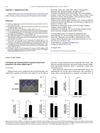
June 2012 in “Journal of Dermatological Science” Scientists identified a group of human skin cells with high growth and regeneration potential.
 September 2025 in “Frontiers in Cell and Developmental Biology”
 Retinoic acid may help heal skin without scars by reducing fibrosis and supporting skin regeneration.
 August 2024 in “Receptors”
 Vitamin D receptor is crucial for skin wound healing.
27 citations
,
July 2020 in “Stem Cells International” ADSC therapy is more effective and safer for treating photoaged skin than PRP.
44 citations
,
January 2015 in “Development” Human Schwann cells can be quickly made from hair follicle stem cells for nerve repair.