 December 2025 in “GeroScience”
 Genetics, epigenetics, and lifestyle all influence facial skin aging.
 December 2025 in “Cosmoderma”
 Systemic corticosteroids help manage vitiligo by slowing progression and aiding repigmentation.
 December 2025 in “Journal of Ovarian Research”
 Vitamin B6 may help activate dormant follicles.
 December 2025 in “BMC Medical Genomics”
 Hair follicles can be used to study gene expression and understand conditions like COPD.
 December 2025 in “Clinical Cosmetic and Investigational Dermatology”
 ZDHHC17 methylation may help treat or identify facial skin aging.
 November 2025 in “Nanoscale Advances”
 Inorganic nanoparticle-based scaffolds can improve wound healing by fighting bacteria and helping tissue grow.
 November 2025 in “International Journal of Applied and Experimental Biology”
 Hemp shows promise for skincare and hair care due to its therapeutic properties, but standardization and clinical evidence are needed.
 November 2025 in “Molecular and Cellular Biomedical Sciences”
 Exosome therapy from treated stem cells may help reduce inflammation and promote hair regrowth in alopecia.
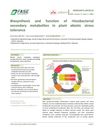 November 2025 in “Frontiers of Agricultural Science and Engineering”
 Rhizobacterial strain RT3 helps lettuce survive drought by producing protective substances like proline.
 November 2025 in “Frontiers in Endocrinology”
 Apigenin and ellagic acid may help manage PCOS symptoms.
 November 2025 in “Clinical Cosmetic and Investigational Dermatology”
 Immune cells and plasma proteins are linked to hair loss, suggesting new treatment options.
 October 2025 in “Frontiers in Veterinary Science”
 Quercetin boosts hair follicle stem cell growth and survival in cashmere goats.
New peptides can delay aging and improve cell function.
 September 2025 in “International Journal of Science and Research (IJSR)”
 Stress causes hair loss by disrupting hair growth cycles, and combining medical and cosmetic treatments can help manage it.
 September 2025 in “BULLETIN OF STOMATOLOGY AND MAXILLOFACIAL SURGERY”
 Better supportive care is needed to manage chemotherapy side effects.
 September 2025 in “Nano Biomedicine and Engineering”
 Nanomedicines could offer better, longer-lasting psoriasis treatments with fewer side effects.

Hair growth is maintained by specific cell signals.
 July 2025 in “Scientific Reports”
 Six key genes can predict bladder cancer outcomes and may serve as prognostic biomarkers.
 July 2025 in “International Journal of Dermatology Venereology and Leprosy Sciences”
 Microneedling may improve melasma treatment by boosting topical therapy effectiveness.
 July 2025 in “Journal of Pharmacognosy and Phytochemistry”
 Plant-based therapies, like Aloe Vera and Cinnamon, may help manage PCOS symptoms with fewer side effects.

Managing oxidative stress and inflammation is crucial for better hair transplant results.
 May 2025 in “Journal of Experimental Pharmacology”
 Allium ascalonicum L. extract may help improve insulin resistance.
 February 2025 in “Frontiers in Veterinary Science”
 Prussian Blue successfully treated thallium poisoning in a dog.
 February 2025 in “International Journal of Morphology”
 Vitamin E can reduce the negative effects of valproic acid on hair and skin development.
 January 2025 in “bioRxiv (Cold Spring Harbor Laboratory)”
 Rhamnose may help hair growth and pigmentation, making it a potential treatment for hair loss.
 January 2025 in “Fitoterapia”
 Signaling pathways are key targets for developing effective drugs.
 December 2024 in “Highlights in Science Engineering and Technology”
 Stem cells show promise for hair regrowth, but challenges remain.
 December 2024 in “Deleted Journal”
 New therapies show promise for wound healing, but more research is needed for safe, affordable options.
Oxidative stress, not insulin resistance, is linked to diffuse hair loss.
Ion sequential therapy improves heart function after a heart attack.