1 citations
,
September 2025 in “Molecules” The conventional extraction method with 50% ethanol was the most effective for antioxidant activity.
1 citations
,
August 2025 in “Molecules” Hederagenin shows promise for cancer and inflammation treatment but needs modifications to improve effectiveness.
1 citations
,
May 2025 in “Biomolecules” Synthetic biology can improve sesquiterpenol production by using innovative microbial strategies.
1 citations
,
May 2025 in “Journal of Cosmetic Dermatology” Blood metabolites significantly influence alopecia areata risk.
1 citations
,
February 2024 in “Diversity” African plants can treat hair issues and may help with diabetes.
 1 citations
,
August 2023 in “Military Medical Research”
1 citations
,
August 2023 in “Military Medical Research” Smart hydrogel dressings could improve diabetic wound healing by adjusting to wound conditions and controlling drug release.
 1 citations
,
July 2023 in “Frontiers in Immunology”
1 citations
,
July 2023 in “Frontiers in Immunology” Oxidative stress and immune dysfunction are linked to both Hashimoto's thyroiditis and polycystic ovary syndrome, with diet and specific treatments important for managing these conditions.
 1 citations
,
March 2023 in “Phytochemistry Reviews”
1 citations
,
March 2023 in “Phytochemistry Reviews” CBD may improve skin and hair health, but its effective use and safety need more research.
 July 2026 in “International Journal of Molecular Sciences”
 Vitiligo treatment is improving with new drugs and therapies, focusing on personalized and combined approaches.
 June 2026 in “International Journal of Molecular Sciences”
 Black Ginseng Concentrate may help treat hair loss by improving cell function and reducing stress.
 June 2026 in “International Journal of Molecular Sciences”
 Targeting the Warburg effect in anaplastic thyroid carcinoma may reduce tumor growth and improve treatment.
 May 2026 in “International Journal of Molecular Sciences”
 Hydroxytyrosol may help treat hair loss by reducing inflammation and oxidative stress.
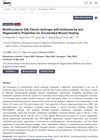
The hydrogel speeds up wound healing by fighting bacteria and helping tissue regrow.

Collagen, curcumin, and glutathione can improve skin health in aging women with low estrogen.
 April 2026 in “Cosmetics”
 Astragalus plants may improve skin health and have anti-aging benefits.
 April 2026 in “Nanomaterials”
 Plant-derived vesicles from Ayurvedic plants may improve treatment delivery for hair growth and other conditions.
 April 2026 in “Biomedicines”
 Wound healing is not fully understood, requiring more research and collaboration to improve treatments.
 April 2026 in “Preprints.org”
 Cold Atmospheric Plasma shows promise in treating aggressive breast cancer by targeting cancer cells while sparing normal tissue.
 March 2026 in “Nutrients”
 Hair manganese may relate to cardiometabolic health, not coronary artery disease severity.
 March 2026 in “Preprints.org”
 The combined stem cell secretome in the skin care product effectively reduces inflammation and promotes tissue regeneration.
 March 2026 in “Preprints.org”
 DRDE-07 shows promise for treating skin diseases due to its favorable properties.
MITF and WNT3A are key in Dun Mongolian horse pigmentation.
 February 2026 in “Biomedicines”
 Nanotechnology offers promising new treatments for hair loss by improving targeted delivery and addressing key causes.
 February 2026 in “Bioengineering”
 EV-based therapies are advancing but need to overcome challenges for full potential.
 January 2026 in “Preprints.org”
 Nanotechnology shows promise for treating hair loss but faces safety and approval challenges.
January 2026 in “Pharmaceutics” Extracellular vesicles can worsen Alzheimer's but also offer potential for diagnosis and treatment.
January 2026 in “Research” New technologies show promise for safer, more effective hair loss treatments.
December 2025 in “Cosmetics” Nanocarriers can improve skin treatments after cancer therapy by enhancing antioxidant delivery and effectiveness.
December 2025 in “Pharmacological Research - Natural Products” Shrimp extracts may help heal burns and fight bacteria.
November 2025 in “Scientia Pharmaceutica” Injectable biostimulators can improve skin by boosting collagen and fat cell activity, but more research is needed to confirm their safety and effectiveness.