 May 2026 in “Zenodo (CERN European Organization for Nuclear Research)”
 Androgenetic alopecia is common hair loss caused by genetics and hormones, with treatments to slow it but no cure.
 January 2024 in “Journal of Cosmetics, Dermatological Sciences and Applications”
 Injecting a peptide-hyaluronic acid mix improved hair growth in men with hair loss and was safe.
 4 citations
,
May 1999 in “PubMed”
4 citations
,
May 1999 in “PubMed” Some medications can cause reversible hair loss by affecting hair growth cycles.
 May 2026 in “Zenodo (CERN European Organization for Nuclear Research)”
 Androgenetic alopecia is common hair loss caused by genetics and hormones, with treatments mainly slowing it down.

Effective anesthesia strategies can help minimize hair loss in patients with telogen effluvium during surgery.
22 citations
,
June 2017 in “Stem cell reports” PTEN helps control the number and health of skin stem cells by working with the protein BMAL1.
9 citations
,
September 2013 in “Journal of histochemistry and cytochemistry/The journal of histochemistry and cytochemistry” Matriptase is highly active in hair follicles and sebaceous glands, especially during hair growth phases.
 6 citations
,
February 2021 in “Frontiers in Cell and Developmental Biology”
6 citations
,
February 2021 in “Frontiers in Cell and Developmental Biology” Eating too much or too little vitamin A can cause hair loss.
KRTAP6 genes affect wool quality in sheep.

Androgenetic alopecia, or hair loss, is caused by a mix of genetics, hormones, and environment, where testosterone affects hair growth and causes hair to become smaller and grow for a shorter time.
 1 citations
,
October 2021 in “Clinical, Cosmetic and Investigational Dermatology”
1 citations
,
October 2021 in “Clinical, Cosmetic and Investigational Dermatology” Vitamin B3 may help prevent hair loss and promote hair growth by protecting scalp cells from stress and reducing hair growth-blocking proteins.
 August 2025 in “Stem Cell Research & Therapy”
 Exosomes from stem cells can help regrow hair better than minoxidil.
 January 1991 in “Journal of Pediatric Health Care”
 Hair loss in children can be caused by fungal infections, trauma, autoimmune disorders, or stress, and treatments vary depending on the cause.
1201 citations
,
January 2010 in “Science” Active and quiescent stem cells work together in mammals to maintain and repair tissues.
22 citations
,
September 2000 in “Journal of Investigative Dermatology” μ-Crystallin may help hair growth by affecting thyroid hormone levels in mouse hair follicles.
3 citations
,
January 2014 in “Ophthalmic plastic and reconstructive surgery” Removing part of the eyelid usually doesn't change the number of eyelashes.
 July 2025 in “The FASEB Journal”
 Human amniotic stem cell exosomes may effectively treat hair loss by promoting hair regrowth.
January 2023 in “Iranian Journal of Pharmaceutical Research” Stauntonia hexaphylla extract can help treat hair loss by blocking certain hormones.
 January 2023 in “Skin appendage disorders”
 A woman's hair grew back after treatment for a rare hair loss caused by proton therapy.
64 citations
,
March 2004 in “The journal of investigative dermatology/Journal of investigative dermatology” GPRC5D is linked to the formation of hair, nails, and certain tongue areas.
 April 2024 in “Archiv EuroMedica”
 Platelet-Rich Plasma therapy helps increase hair density and regrowth for some types of hair loss.
 April 2024 in “Bioactive materials”
 New microneedle treatment with growth factors and a hair loss drug shows better and faster hair growth results than current treatments.
54 citations
,
May 2001 in “Journal of Investigative Dermatology” Excessive putrescine causes hair loss in transgenic mice by disrupting hair follicle development.
40 citations
,
May 2005 in “Journal of Cell Science” Truncated LTBP-1 disrupts TGF-β signaling, affecting hair growth.
 34 citations
,
September 2019 in “Clinical, Cosmetic and Investigational Dermatology”
34 citations
,
September 2019 in “Clinical, Cosmetic and Investigational Dermatology” Light therapy can stimulate hair growth and is more effective when started early, but more research is needed on its long-term effects and optimal use.
 1 citations
,
August 2017
1 citations
,
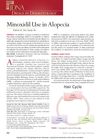
August 2017 Minoxidil helps stimulate hair growth and enlarge small follicles in common hair loss, but doesn't stop it, and its effects can be boosted when combined with finasteride.
 October 2025 in “Gene Expression”
 Exosome therapy could be a promising new way to treat hair loss.
249 citations
,
May 2003 in “Developmental Biology” Ectodysplasin-A1 is crucial for developing hair, teeth, and glands.
9 citations
,
November 2013 in “BMC Pharmacology and Toxicology” Suppressing eIF4E can prevent hair loss from chemotherapy.
 5 citations
,
April 2022 in “Journal of Ethnopharmacology”
5 citations
,
April 2022 in “Journal of Ethnopharmacology” Chinese herbal medicine can help treat hair loss by promoting hair growth and preventing cell death, maintaining a balance between hair growth and loss.