 1 citations
,
January 2013 in “The Journal of Dermatology”
1 citations
,
January 2013 in “The Journal of Dermatology” A skin condition called pyodermatitis vegetans was found in a patient with multiple myeloma for the first time.
September 2022 in “Research Square (Research Square)” 5% topical minoxidil improves hair density and quality in monilethrix patients.
2 citations
,
January 2006 in “PubMed” Carpronium chloride increases blood flow by widening small blood vessels.
20 citations
,
January 2019 in “Toxicology Reports” Dunaliella salina microalgae is safe to eat and may boost health.
1 citations
,
January 2008 in “SKINmed Dermatology for the Clinician” Treatment with prednisolone and dapsone stopped new blisters and partially healed previous ones.
 2 citations
,
February 2022 in “Research Square (Research Square)”
2 citations
,
February 2022 in “Research Square (Research Square)” The ethanolic root extract of Onosma dichroantha has strong antioxidant and antibacterial properties.
 December 2024 in “Jurnal Mandala Pharmacon Indonesia”
 Ramania leaf extract is non-toxic but can cause stomach ulcers at high doses.
 1 citations
,
April 2019 in “Journal of Investigative Dermatology”
1 citations
,
April 2019 in “Journal of Investigative Dermatology” Oral minoxidil can potentially increase hair growth in people suffering from Central Centrifugal Cicatricial Alopecia.
12 citations
,
June 2016 in “Clinical and experimental dermatology” A new genetic mutation in the TRPV3 gene causes Olmsted-like syndrome in a Mongolian family.
1 citations
,
October 2018 in “Open MIND” Mulberry leaves may help manage diabetes.
20 citations
,
February 2015 in “Anais brasileiros de dermatologia/Anais Brasileiros de Dermatologia” A 6-year-old girl was diagnosed with a rare hair disorder and started treatment with topical minoxidil.
Lichen planus commonly affects middle-aged adults, often involves limbs and mucosal areas, and can be linked to immune diseases.
 July 2025 in “Underline Science Inc.”
 ROS influences the growth and structure of Arabidopsis root hairs.
 5 citations
,
July 2020 in “JAMA Dermatology”
5 citations
,
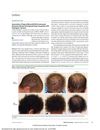
July 2020 in “JAMA Dermatology” Minoxidil solution applied twice daily improved hair growth in patients with Woolly Hair/Hypotrichosis due to LIPH gene issues, with mild side effects.
62 citations
,
February 2018 in “Scientia Horticulturae” Mycorrhizal fungi improve root hair growth and nutrient uptake in trifoliate orange, especially when phosphorus is low.
January 2005 in “河北农业大学学报” Minoxidil helped slow balding in most cases, but only a few saw significant hair growth.
 3 citations
,
January 2008 in “Journal of the American Academy of Dermatology”
3 citations
,
January 2008 in “Journal of the American Academy of Dermatology” A patient's skin rash did not affect the area where a previous viral rash was healing, suggesting a rare immune response.
 August 2018 in “Reactions Weekly”
 A woman had an allergic skin reaction to a hair loss treatment called minoxidil.
January 2017 in “UiTM Institutional Repositories (Universiti Teknologi MARA)” Hibiscus rosa-sinensis leaf extract is safe for mice at tested doses.
4 citations
,
April 1955 in “Archives of Dermatology” Hydrocortisone ointment effectively improved eyebrow skin and hair in a 10-year-old.
 8 citations
,
October 2018 in “Journal of the European Academy of Dermatology and Venereology”
8 citations
,
October 2018 in “Journal of the European Academy of Dermatology and Venereology” Mohs micrographic surgery is effective for early-stage non-melanoma skin cancers on the lips, with basal cell carcinoma more common on the upper cutaneous lip and squamous cell carcinoma more common on the lower vermilion lip.
2 citations
,
August 2007 in “Zoonoses and Public Health” Two southern chamois in the Eastern Pyrenees had skin infections caused by a fungus.
August 2007 in “Faculty Opinions – Post-Publication Peer Review of the Biomedical Literature” Overexpression of a specific receptor in mice skin causes skin thinning, early skin barrier formation, eye issues, and hair loss.
 15 citations
,
August 2008 in “Toxicology Letters”
15 citations
,
August 2008 in “Toxicology Letters” High doses of minoxidil can harm marmoset hearts and kidneys, possibly affecting humans similarly.
25 citations
,
September 2005 in “Journal of the American Academy of Dermatology” Rapp-Hodgkin syndrome, AEC, and EEC are different expressions of the same genetic disorder caused by TP63 gene mutations.
28 citations
,
July 1980 in “British Journal of Dermatology” The hair disorder was caused by abnormal protein formation, making hair easily damaged.
 September 1961 in “Archives of Dermatology”
 Lichen sclerosus et atrophicus is generally not considered precancerous, but there are exceptions.
 8 citations
,
December 2008 in “Clinical and Experimental Dermatology”
8 citations
,
December 2008 in “Clinical and Experimental Dermatology” Radiotherapy was effective for treating a large scalp plaque of Bowen's disease when other treatments failed.
5 citations
,
August 1925 in “Archives of dermatology” An 8-year-old boy with Recklinghausen's Disease shows various symptoms and is from a family with close genetic ties.
June 2022 in “Pham Ngoc Thach Journal of Medicine and Pharmacy” Tongue fern contains important compounds like polyphenols and flavonoids, best extracted with 80% methanol at 60°C.