 1 citations
,
January 2022 in “bioRxiv (Cold Spring Harbor Laboratory)”
1 citations
,
January 2022 in “bioRxiv (Cold Spring Harbor Laboratory)” Blocking IL-17 signaling can delay skin aging and improve skin and hair health.
July 2026 in “bioRxiv (Cold Spring Harbor Laboratory)” TCDD exposure causes sebaceous glands to differentiate and produce more lipids before shrinking.
June 2026 in “Experimental Dermatology” Large wounds have more infundibular basal keratinocytes, aiding hair follicle regeneration.

Cichlid fish regenerate teeth quickly due to specific cell interactions and gene expressions.

Key genes and pathways influence cashmere production in goats.
 January 2026 in “MDPI (MDPI AG)”
 The hairy ear mutation in mice is linked to changes in gene expression affecting hair growth.
January 2026 in “Metabolites” Obesity may weaken the immune system and increase cancer risk.
November 2025 in “Journal of Investigative Dermatology” PCFCL may have unrecognized subtypes and needs more research.
 August 2025 in “Cermin Dunia Kedokteran”
 HMPV causes respiratory infections, mainly managed with supportive care, and lacks a vaccine or specific treatment.
 July 2025 in “Journal of Investigative Dermatology”
 Miniaturized hair follicles in androgenetic alopecia show abnormal mitochondrial activity and damage.
July 2025 in “Journal of Investigative Dermatology” Androgens reduce THY1 in skin cells, leading to less fat, more fibrosis, and worse healing in males.
 May 2025 in “Galen Medical Journal”
 New targeted therapies for psoriasis show promise but face challenges like side effects and treatment resistance.
April 2025 in “Journal of Diabetes & Metabolic Disorders” Monitoring TGF-β and linc-PINT expression may help identify and treat high-risk heart arrhythmia patients.
November 2024 in “Journal of Investigative Dermatology” Scalp hair follicle cells help protect and heal skin in certain skin conditions.
November 2024 in “Journal of Investigative Dermatology” Secukinumab reduces immune activity in hidradenitis suppurativa skin.
 September 2024 in “PubMed”
 Certain RNAs may help diagnose alopecia areata by affecting keratin genes.

Alopecia areata patients show increased inflammation and OX40 activation, suggesting a new treatment target.
July 2024 in “Journal of Investigative Dermatology” ITK inhibitors may effectively treat alopecia areata.
 June 2024 in “Journal of Allergy and Clinical Immunology”
 TSLP affects atopic dermatitis by increasing sebum and reducing fat through IL-4/IL-13 signaling.
 December 2023 in “bioRxiv (Cold Spring Harbor Laboratory)”
 Aged individuals heal wounds less effectively due to specific immune cell issues.

Researchers found genes in sheep that may affect hair growth and wool quality.
 July 2023 in “Frontiers in veterinary science”
 Certain long non-coding RNAs are important for controlling hair growth cycles in sheep.
 April 2023 in “Journal of Investigative Dermatology”
 IL-24 contributes to skin aging by increasing collagen-degrading enzymes and decreasing collagen production when exposed to air pollution.
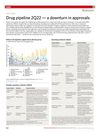 August 2022 in “Nature Biotechnology”
 Drug approvals slowed in 2Q22, but notable drugs like Amvuttra, Camzyos, and Olumiant were approved.
 May 2022 in “Gastroenterology”
 Targeting NETs may help reduce fibrosis in Crohn's disease.
December 2021 in “Figshare” BBS7 is crucial for maintaining healthy gums by regulating important signaling pathways.
December 2021 in “Figshare” BBS7 is crucial for maintaining periodontal health by supporting Shh signaling.
July 2021 in “Veterinary record/The veterinary record” A calf in Scotland likely had Schmallenberg virus from its mother.
January 2021 in “Figshare” Autophagy helps delay aging in mouse glands, maintains fat balance, and controls scent production.
January 2016 in “eScholarship (California Digital Library)” HBCs in the olfactory epithelium can self-renew or differentiate into other cell types, with specific patterns during regeneration.