 May 2026 in “Preprints.org”
 The nutrient combination improved hair condition and was safe for women with diffuse hair loss.
 February 2025 in “Indus journal of bioscience research.”
 Many COVID-19 patients, especially women, experienced hair loss, often linked to diabetes and lack of dietary supplements.
 December 2025 in “Al-Iraqia Medical College Journal”
 Virus infection risk is linked to heat tolerance and size, but decreases with high humidity and mutation rate.
3 citations
,
February 2025 in “Metabolites” The research found enzymes in Stephania epigaea that help make cepharanthine.
 March 2025 in “Nature Communications”
 NSC167409 can effectively inhibit the virus causing hand, foot, and mouth disease.
9 citations
,
June 2023 in “Human Genomics” MX1 and AR genes are linked to milder COVID-19, while TMPRSS2 increases severe risk, especially in women.
 October 2023 in “Clinical medicine and medical research”
 Thyroid function may influence hair loss after COVID-19.
26 citations
,
September 2024 in “Perspectives in Clinical Research” Drug repurposing offers faster, cheaper drug development but faces challenges like safety, ethics, and funding.
 118 citations
,
November 2024 in “World Journal of Biology Pharmacy and Health Sciences”
118 citations
,
November 2024 in “World Journal of Biology Pharmacy and Health Sciences” Pregnant and breastfeeding women should get COVID-19 vaccines for safety and protection.
January 2026 in “International Journal of Molecular Sciences” Lifestyle changes and environmental strategies can help address declining testosterone levels.
 November 2024 in “International Journal of Agricultural Invention”
 Amla is a nutritious fruit with many health benefits, including boosting immunity and fighting diseases.
1 citations
,
October 2024 in “BMC Infectious Diseases” Many people in Thailand have lingering symptoms after recovering from COVID-19.
 1 citations
,
May 2006 in “Thyroid Research and Practice”
1 citations
,
May 2006 in “Thyroid Research and Practice” Skin can become dry and thick in hypothyroidism.
 58 citations
,
November 2020 in “International Journal of Dermatology”
58 citations
,
November 2020 in “International Journal of Dermatology” COVID-19 may cause a temporary hair loss condition called telogen effluvium in some patients after recovery.
 59 citations
,
October 2020 in “Stem Cell Reviews and Reports”
59 citations
,
October 2020 in “Stem Cell Reviews and Reports” Men have higher COVID-19 mortality rates than women due to biological and lifestyle factors.
 12 citations
,
November 2022 in “Archives of Dermatological Research”
12 citations
,
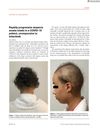
November 2022 in “Archives of Dermatological Research” COVID-19 can directly trigger certain skin conditions like pustular dermatoses due to an inflammatory response.
 14 citations
,
February 2021 in “Journal of the European Academy of Dermatology and Venereology”
14 citations
,
February 2021 in “Journal of the European Academy of Dermatology and Venereology” A COVID-19 patient with severe hair loss did not improve with hair loss medication after stopping and restarting it due to the infection.
 January 2021 in “Journal of Pakistan Association of Dermatology”
 COVID-19 recovery can lead to temporary hair loss called telogen effluvium.
 24 citations
,
February 2022 in “Reviews in Endocrine and Metabolic Disorders”
24 citations
,
February 2022 in “Reviews in Endocrine and Metabolic Disorders” Women with PCOS have a higher risk of severe COVID-19 due to related health issues.
January 2024 in “Ageing & longevity” Good nutrition and essential trace elements like zinc, selenium, and iron are important for a strong immune system and reducing COVID-19 severity.
 November 2021 in “Egyptian Journal of Medical Microbiology”
 COVID-19 protective measures led to skin irritation, hair loss, and brittle nails; using skin-friendly products and a healthy diet is recommended.
 2 citations
,
August 2022 in “Cutis”
2 citations
,
August 2022 in “Cutis” COVID-19 vaccination may cause temporary nail changes, but they're not serious.
 February 2025 in “Physician s Journal of Medicine”
 Recognizing skin symptoms can help diagnose and manage COVID-19.
 49 citations
,
May 2020 in “Frontiers in Public Health”
49 citations
,
May 2020 in “Frontiers in Public Health” Insulin resistance linked to obesity may increase COVID-19 severity.
 39 citations
,
March 2022 in “Infection”
39 citations
,
March 2022 in “Infection” Many recovered COVID-19 patients in Saudi Arabia still experience symptoms like fatigue and anxiety, especially older adults and those with other health issues.
 15 citations
,
August 2021 in “Reviews in endocrine and metabolic disorders”
15 citations
,
August 2021 in “Reviews in endocrine and metabolic disorders” COVID-19 and hypopituitarism (reduced pituitary gland function) are linked, with the latter's related health issues potentially worsening COVID-19 outcomes, and COVID-19 possibly increasing risk for pituitary complications.
 8 citations
,
December 2021 in “International Journal of Family Studies, Food Science and Nutrition Health”
8 citations
,
December 2021 in “International Journal of Family Studies, Food Science and Nutrition Health” Extra virgin olive oil may boost the immune system and help fight infections like COVID-19.
 August 2025 in “Majalah Obstetri & Ginekologi”
 Vaccination helps reduce long COVID symptoms in women with PCOS.
 January 2024 in “Fitoterapia”
 Vitamin D3 is crucial for immune and bone health, with most consumers being women who follow doctor advice.
 January 2021 in “Journal of the European Academy of Dermatology and Venereology”
 PrEP doesn't increase STI risk in high-risk men, anti-androgen drugs may lower ICU admission for male COVID-19 patients, a 3-point injection is better for crow's feet, and the 'Geriatric-8' tool could help assess frailty in older skin cancer patients.