 10 citations
,
January 2016 in “Dermatology online journal”
10 citations
,
January 2016 in “Dermatology online journal” Adults with persistent scalp issues unresponsive to typical treatments should be tested for the fungal infection tinea capitis to start the right antifungal medication.
 10 citations
,
January 2013 in “International Journal of Trichology”
10 citations
,
January 2013 in “International Journal of Trichology” Trichoscopy effectively diagnoses early female hair loss, but may need scalp biopsy for confirmation.
 3 citations
,
January 2015 in “Dermatology Online Journal”
3 citations
,
January 2015 in “Dermatology Online Journal” Hair loss can be a symptom of syphilis.
2 citations
,
January 2023 in “Skin Appendage Disorders” Frontal fibrosing alopecia may run in families.
 2 citations
,
June 2018 in “Journal of the American Academy of Dermatology”
2 citations
,
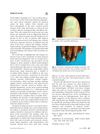
June 2018 in “Journal of the American Academy of Dermatology” Alopecia areata causes varying hair loss and nail changes, and treatments include topical, systemic, and injectable therapies.
 2 citations
,
May 2017 in “The Journal of Dermatology”
2 citations
,
May 2017 in “The Journal of Dermatology” A Japanese bone marrow transplant patient developed a rare skin cancer possibly linked to long-term use of the medication voriconazole.
 2 citations
,
July 1999 in “International Journal of Clinical Practice”
2 citations
,
July 1999 in “International Journal of Clinical Practice” Common baldness treatments include cosmetic methods, medication like minoxidil, and surgery, but no cure exists.
1 citations
,
November 2023 in “Indian Journal of Dermatology” A 6-year-old Asian boy has a rare scalp condition causing hair loss and thickening, with unclear causes and no effective treatment.
1 citations
,
September 2023 in “Portuguese Journal of Dermatology and Venereology” Trichoscopy can help diagnose and decide when to biopsy folliculotropic mycosis fungoides.
1 citations
,
June 2022 in “Zenodo (CERN European Organization for Nuclear Research)” Low-level laser therapy can effectively regrow hair in alopecia areata.
 1 citations
,
July 2020 in “International journal of radiology & radiation therapy”
1 citations
,
July 2020 in “International journal of radiology & radiation therapy” Partial hair-sparing brain radiotherapy is possible and doesn't affect cancer control but still causes noticeable hair loss.
July 2026 in “Journal of Dermatological Treatment” Excimer laser therapy may help improve scarring alopecia symptoms and hair appearance.
February 2026 in “International Journal of Homoeopathic Sciences” Homeopathy helped regrow hair and stabilize alopecia areata.
January 2026 in “Case Reports in Rheumatology” Rituximab improved her dermatomyositis better than usual treatments.
August 2025 in “Medical Journal of Armed Police Force Nepal” Alopecia areata is more common in males, mostly affects the scalp, and often appears as patchy hair loss.
 June 2025 in “International Journal of AYUSH Case Reports”
 Ayurvedic treatment successfully regrew hair in a woman with alopecia areata.
 June 2025 in “The Journal of Dermatology”
 Baricitinib is effective and safe for long-term treatment of severe alopecia areata.
January 2025 in “Dermatology Research and Practice” Higher activity in lichen planopilaris is linked to certain immune and tissue genes.
 August 2024 in “Journal of Research in Clinical Medicine”
 COVID-19 can cause various skin issues, with some linked to how severe the illness is.
 April 2024 in “Journal of Investigative Dermatology”
 Using quantitative traits in genetics can improve understanding and management of skin health and conditions.
 January 2024 in “International journal of homoeopathic sciences”
 Early intervention and patient education are crucial for managing alopecia areata.
 September 2023 in “Medicina Estética Revista Científica de la Sociedad Española de Medicina Estética (SEME)”
 The FDA approved Litfulo® for treating severe alopecia areata in people aged 12 and older.
 September 2023 in “Journal of the American Academy of Dermatology”
 Children with alopecia areata, especially with Down syndrome or thyroid issues, should be screened for thyroid disease.
September 2023 in “International Journal of Trichology” More severe alopecia areata is linked to more follicular stelae, but not to treatment response.
 August 2023 in “Journal of The American Academy of Dermatology”
 Early treatment is key for permanent hair loss disorders, with options ranging from medications and phototherapy to immunomodulators and antibiotics, depending on severity and type.

Hair loss can be caused by hormones, illness, autoimmune disorders, or vitamin deficiencies, and treatments vary depending on the type.
 April 2022 in “Indexia revista médico - científica”
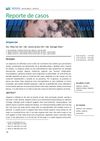
 Alopecia causes sudden hair loss, possibly due to genetic, environmental, or immune factors.
Early diagnosis and treatment of alopecia in children are crucial for their well-being.
April 2021 in “The journal of investigative dermatology/Journal of investigative dermatology” Lichen planopilaris in men often affects the scalp, eyebrows, arms, legs, and beard, with many having family members with hair loss.
 March 2021 in “CRC Press eBooks”
 Trichoscopy helps tell apart Lichen planopilaris and Frontal fibrosing alopecia from other hair loss conditions.