 37 citations
,
September 2018 in “Psychoneuroendocrinology”
37 citations
,
September 2018 in “Psychoneuroendocrinology” Finasteride treatment in male rats causes long-lasting effects on depression-like behavior, brain cell growth, inflammation, and gut bacteria composition.
 1 citations
,
December 2025 in “Frontiers in Endocrinology”
1 citations
,
December 2025 in “Frontiers in Endocrinology” Gut microbiota may significantly influence polycystic ovary syndrome.
Certain gut microbes are linked to better health in 14 conditions.
 December 2025 in “Babcock University Medical Journal”
 CD27 and IL-35 can help diagnose alopecia areata linked to bacterial infections.
 January 2025 in “Journal of Veterinary Medical Science”
 Environmental conditions can affect toxic mineral levels and gut bacteria in working dogs.
 8 citations
,
December 2018 in “Journal of Dermatological Treatment”
8 citations
,
December 2018 in “Journal of Dermatological Treatment” The PRP-like cosmetic with biomimetic peptides is potentially effective and safe for treating alopecia areata.
Integrative hair therapy improved hair loss and regrowth.
 5 citations
,
March 2020 in “Current Opinion in Endocrine and Metabolic Research”
5 citations
,
March 2020 in “Current Opinion in Endocrine and Metabolic Research” Skin problems in PCOS, like excess hair, acne, and hair loss, may not always indicate high male hormone levels and need careful diagnosis for proper treatment.
 1 citations
,
January 2026
1 citations
,
January 2026 Use personalized cosmeceuticals for safe, effective hair and scalp treatment.
 June 2022 in “bioRxiv (Cold Spring Harbor Laboratory)”
 ILC1-like cells can cause alopecia areata by attacking hair follicles.
 26 citations
,
December 2019 in “Neurobiology of Stress”
26 citations
,
December 2019 in “Neurobiology of Stress” Post-finasteride syndrome causes lasting sexual, neurological, and physical side effects in some people after taking finasteride.
 December 2025 in “Scientific Reports”
 Gut microbiota and metabolic pathways may play a key role in PCOS development.
 78 citations
,
June 2021 in “Dermatology and Therapy”
78 citations
,
June 2021 in “Dermatology and Therapy” Future acne treatments should aggressively target inflammation to prevent scarring.
 March 2026 in “Aging Research”
 Personalized anti-aging strategies are important, considering genetics and lifestyle.
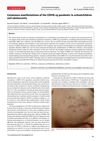 January 2023 in “Acta dermatovenerologica Alpina, Pannonica et Adriatica (Tiskana izd.)”
 The article concludes that schoolchildren and adolescents experienced various skin issues during the COVID-19 pandemic, including acne from masks and other skin reactions from the virus and vaccines.
 January 2026 in “Frontiers in Drug Discovery”
 Transforming skin disease treatment requires new strategies, better drug models, and patient-focused research.
 May 2026 in “The EMBO Journal”
 Skin aging can be slowed by targeting cells, hormones, and the microbiome.
 January 2025 in “International Journal for Research Trends and Innovation”
 PCOS management benefits from combining traditional herbs, modern medicine, and lifestyle changes.
 78 citations
,
October 2020 in “Experimental Dermatology”
78 citations
,
October 2020 in “Experimental Dermatology” Hidradenitis suppurativa is caused by genetic factors, inflammation, bacteria, hormones, and lifestyle factors like obesity and smoking.
 March 2026 in “Frontiers in Oncology”
 Dermatologists should focus on restoring skin health and well-being in cancer survivors.
4 citations
,
July 2024 in “Skin Research and Technology” Certain bacteria may influence alopecia areata risk, but skin bacteria don't mediate gut-skin effects.
40 citations
,
September 2019 in “World journal of clinical cases” An elderly man's hair grew back after a treatment that transferred healthy gut bacteria.
10 citations
,
April 2024 in “International Journal of Molecular Sciences” Gut bacteria differences may influence alopecia areata.
100 citations
,
August 2022 in “Microbial Cell Factories” Balancing skin microbiota is crucial for healthy skin and treating skin diseases.
 August 2025 in “Current Issues in Molecular Biology”
 Periplaneta americana extract helps hair regrowth in mice with alopecia.
8 citations
,
March 2023 in “BMC Research Notes” Laser-capture microdissection effectively analyzes hair follicle microbiomes, revealing region-specific bacterial differences.
 May 2025 in “Annals of surgical case reports & images.”
 Certain gut bacteria may protect against hair loss, while others may increase the risk.
2 citations
,
November 2025 in “International Journal of Molecular Sciences” Balancing good and harmful microbes is key to healing chronic wounds.
36 citations
,
January 2023 in “Skin Appendage Disorders” Scalp seborrheic dermatitis is a common skin condition linked to oil production and bacteria, with specific diagnostic features and treatments like antifungals and corticosteroids.
5 citations
,
September 2022 in “Frontiers in Nutrition” Gut bacteria differences may help diagnose and treat Alopecia areata.