 January 2025 in “International Journal of Dermatology Venereology and Leprosy Sciences”
 Tofacitinib improved hair regrowth and quality of life in children with alopecia areata, with mild side effects.
 March 2022 in “Nepal Journal of Dermatology Venereology & Leprology”
 Methotrexate with steroids is slightly more effective than azathioprine with steroids for treating severe alopecia areata.
 139 citations
,
November 2016 in “Journal of the American Academy of Dermatology”
139 citations
,
November 2016 in “Journal of the American Academy of Dermatology” Tofacitinib helped regrow hair in most adolescents with alopecia areata, but more research is needed.
 44 citations
,
August 2010 in “Journal of Investigative Dermatology”
44 citations
,
August 2010 in “Journal of Investigative Dermatology” Alopecia areata seriously lowers quality of life, especially affecting self-image, mental health, and social life.
7 citations
,
April 2024 in “International Journal of Dermatology” Alopecia areata greatly affects the quality of life for children and their families.
 June 2025 in “Indian Dermatology Online Journal”
 Severe hair loss may worsen with skin condition, suggesting treating the skin might help.
Iron levels affect sleep apnea severity in people with hair loss, especially women.
 April 2024 in “Frontiers in medicine”
 Alopecia Areata significantly lowers quality of life and current treatments are inadequate, highlighting a need for better therapies and standardized treatment protocols.
 11 citations
,
February 2021 in “Journal of Cosmetic Dermatology”
11 citations
,
February 2021 in “Journal of Cosmetic Dermatology” Oral tofacitinib helped regrow hair in over half of the patients with severe alopecia, but relapses and side effects were common.
 11 citations
,
January 2018 in “Acta dermato-venereologica”
11 citations
,
January 2018 in “Acta dermato-venereologica” Tofacitinib works better and is more tolerable for severe alopecia than conventional treatments and DPCP immunotherapy.
 5 citations
,
June 2016 in “TURKDERM”
5 citations
,
June 2016 in “TURKDERM” Scoring systems help doctors assess and treat skin diseases effectively.
 1 citations
,
December 2020 in “Dermatology Archives”
1 citations
,
December 2020 in “Dermatology Archives” Systemic steroids temporarily improve severe alopecia areata in children but often lead to relapse.
 January 2024 in “International Journal of Dermatology Research”
 PRP is more effective than triamcinolone for treating alopecia areata.
 4 citations
,
October 2024 in “American Journal of Clinical Dermatology”
4 citations
,
October 2024 in “American Journal of Clinical Dermatology” Ritlecitinib improved hair regrowth and emotional well-being in some alopecia areata patients.
 2 citations
,
January 2023 in “Dermatology Practical & Conceptual”
2 citations
,
January 2023 in “Dermatology Practical & Conceptual” AB+ blood group is more common in alopecia areata patients.
 March 2026 in “Journal of Pakistan Association of Dermatologists”
 Tofacitinib helps hair regrowth in alopecia areata but relapse is common after stopping treatment.
 March 2026 in “American Journal of Clinical Dermatology”
 Ritlecitinib is effective and safe for long-term use in treating severe alopecia areata in people aged 12 and older.
Baricitinib effectively regrows hair in severe alopecia areata cases.
 July 2025 in “Pakistan Journal of Intensive Care Medicine”
 Clobetasol propionate 0.05% ointment is more effective than tacrolimus 0.1% ointment for treating alopecia areata.
 March 2025 in “SKIN The Journal of Cutaneous Medicine”
 Certain patient characteristics can help predict hair regrowth success with ritlecitinib in alopecia areata.
 January 2025 in “Acta Dermatovenerologica Alpina Pannonica et Adriatica”
 Baricitinib is effective and safe for treating severe alopecia areata.
 November 2024 in “SKIN The Journal of Cutaneous Medicine”
 Ritlecitinib effectively promotes hair regrowth in severe and very severe alopecia areata.
 November 2023 in “Research Square (Research Square)”
 Combining calcipotriol and PRP is most effective for treating Alopecia Areata.
 21 citations
,
January 2014 in “International Journal of Trichology”
21 citations
,
January 2014 in “International Journal of Trichology” The study concluded that yellow dots are a common and useful sign for diagnosing alopecia areata in dark-skinned individuals and may indicate the severity of the condition.
 1 citations
,
May 2017 in “InTech eBooks”
1 citations
,
May 2017 in “InTech eBooks” The document concludes that alopecia areata is an unpredictable autoimmune hair loss condition with no cure, but various treatments exist that require personalized approaches.
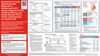 November 2025 in “SKIN The Journal of Cutaneous Medicine”
 Baricitinib significantly regrows hair in teens with severe alopecia areata.
 December 2023 in “International journal of research in dermatology”
 Adding PRP to topical mometasone improves and speeds up alopecia areata treatment.
 April 2022 in “Research Square (Research Square)”
 The combination of laser and topical steroids is more effective for treating alopecia areata than topical steroids alone.
 February 2026 in “Frontiers in Immunology”
 Ivarmacitinib significantly improved hair regrowth in severe alopecia areata after tofacitinib was less effective.
 November 2023 in “Research Portal Denmark”
 Baricitinib shows promise for severe alopecia areata but isn't a cure and has side effects.