 3 citations
,
October 1982 in “Postgraduate Medicine”
3 citations
,
October 1982 in “Postgraduate Medicine” Most types of hair loss can regrow naturally, but there are no effective cures for male pattern or age-related hair loss, and only limited options for females.
 1 citations
,
January 2024 in “International Journal of Advanced Research in Science, Communication and Technology”
1 citations
,
January 2024 in “International Journal of Advanced Research in Science, Communication and Technology” Herbal hair scrubs can effectively prevent and treat hair problems, boosting self-confidence.
 1 citations
,
October 2018 in “International research journal of pharmacy”
1 citations
,
October 2018 in “International research journal of pharmacy” Rampai leaves extract can significantly stimulate hair growth.
 1 citations
,
January 2017 in “International Journal of Dermoscopy”
1 citations
,
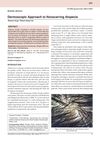
January 2017 in “International Journal of Dermoscopy” Dermoscopy is useful for identifying and tracking different types of hair loss without scarring.
 1 citations
,
August 2004 in “Alternative & complementary therapies”
1 citations
,
August 2004 in “Alternative & complementary therapies” Non-drug methods like diet, supplements, and aromatherapy can help manage hair loss and its emotional impact.
 November 2025 in “Journal of Pharmacognosy and Phytochemistry”
 The flaxshine hair mask effectively conditions hair using natural ingredients.
 April 2024 in “International journal of research in dermatology”
 Azathioprine can cause hair loss and matted hair.
 June 2021 in “International journal of research in dermatology”
 Shaving and avoiding brushing improved the patient's beard hair condition.
 March 2021 in “Egyptian Journal of Chemistry”
 The herbal shampoo with Momordica charantia and Hibiscus Rosa-Sinensis is safe and promotes hair growth and scalp health.
 December 2020 in “International journal of research in ayurveda and pharmacy”
 Eating well and avoiding synthetic hair products are key for healthy hair.
 June 2012 in “Springer eBooks”
 Eating disorders can cause various hair problems, and while hair loss in these disorders is linked to metabolic syndrome, treatment focuses on specific medications and lifestyle changes for the syndrome.
 September 2003 in “Clinics in Family Practice”
 Different hair diseases affect people during childbearing years, with treatments ranging from medication to psychological support.
 January 1991 in “Journal of Pediatric Health Care”
 Hair loss in children can be caused by fungal infections, trauma, autoimmune disorders, or stress, and treatments vary depending on the cause.
51 citations
,
March 2001 in “Clinics in dermatology” Bleaching damages hair, making it rougher and weaker.
 April 2023 in “Acta Poloniae Pharmaceutica”
 Herbal extract shampoo increased certain minerals in hair and improved hair growth and scalp health.
2 citations
,
September 2011 in “Revista de Ciências Farmacêuticas Básica e Aplicada” The chili pepper shampoo was safe and well-liked by volunteers.
January 2013 in “프로그램북(구 초록집)” Hair perms or treatments seem safe to use up to 3 to 4 times during pregnancy.
 2 citations
,
April 2015 in “Dermatology practical & conceptual”
2 citations
,
April 2015 in “Dermatology practical & conceptual” Daily use of antifungal shampoo can hide symptoms and make it hard to diagnose fungal scalp infections.
 March 2026 in “International Journal of Pharmaceutics and Drug Analysis”
 Jackfruit seed extract can be used to make an effective natural anti-dandruff shampoo.
 March 2026 in “International Journal of Creative and Open Research in Engineering and Management”
 The herbal shampoo effectively controls dandruff and is a safe natural alternative to synthetic options.
59 citations
,
January 2001 in “Dermatology” Hair care products are important for appearance and self-esteem, and their benefits and risks should be accurately communicated by experts.
July 2025 in “Agroindustrial Technology Journal” The 2% rosemary oil shampoo was the best overall.
1 citations
,
March 2000 in “Chemical & engineering news” Companies buy other businesses to stay trendy and meet consumer needs in hair care.
May 2026 in “Revista Iluminart” Coffee bomb shampoo has more caffeine after 7 days than commercial products.
 6 citations
,
February 1974 in “The BMJ”
6 citations
,
February 1974 in “The BMJ” The document concludes that scalp disorders can be treated with hair washing, specific shampoos, medications, and sometimes surgery or hair transplants, but hereditary baldness is untreatable.
7 citations
,
June 2021 in “Journal of Cosmetic Dermatology” Formulation H2 was the best natural herbal shampoo with good smell and hair benefits.
7 citations
,
March 2023 in “European Journal of Dermatology” Using Selenium Disulfide shampoo weekly helps prevent scalp dermatitis flare-ups.
 2 citations
,
January 2022 in “Eduvest”
2 citations
,
January 2022 in “Eduvest” A teenage girl with a fungal scalp infection got better with antifungal and allergy medication, and special shampoo.
 January 1978 in “Yukagaku”
 Zinc pyrithione in shampoo or rinse reduces dandruff and itching.
 April 2017 in “Journal of Investigative Dermatology”
 Using a stimulating cream shampoo before applying Minoxidil increases its penetration into hair follicles and scalp.