2 citations
,
July 2025 in “Cells” Platelet lysate is better than fetal bovine serum for growing stem cells and healing wounds.
2 citations
,
July 2024 in “Bioengineering” PRF lysates reduce inflammation in cancer cells and boost immune response in healthy oral cells.
 2 citations
,
March 2013 in “Hair transplant forum international”
2 citations
,
March 2013 in “Hair transplant forum international” Research on "hair cloning" for hair loss shows potential for hair thickening but has not yet achieved new hair growth in humans.
1 citations
,
February 2026 in “ACS Omega” Self-powered nanogenerators could revolutionize healthcare by enabling devices that operate without external power.
1 citations
,
September 2025 in “Wound Repair and Regeneration” Tilapia skin matrix effectively aids skin wound healing and is a promising option for clinical use.
1 citations
,
August 2025 in “Frontiers in Bioengineering and Biotechnology” A 3D skin model helps study wound healing better than traditional methods.
1 citations
,
July 2025 in “The Open Dermatology Journal” Tissue engineering in cosmetics offers safer, more effective products and ethical alternatives to animal testing.
1 citations
,
January 2025 in “IntechOpen eBooks” A comprehensive system is needed to ensure cosmetics are safe and effective, using global insights and new AI technologies.
1 citations
,
February 2024 in “Pharmaceutics” Nanovesicles improve drug delivery through the skin, offering better treatment outcomes and fewer side effects.
 1 citations
,
March 2023 in “Aggregate”
1 citations
,
March 2023 in “Aggregate” A new hydrogel with micronized amnion helps achieve better, scar-free skin healing.
Compound 6 is a promising candidate for better wound healing.
1 citations
,
July 2025 in “Journal of Clinical Medicine” Cosmetic procedures can cause serious eye problems, so awareness and safety are crucial.

Contractile hydrogels help wounds heal faster and with less scarring.

The hydrogels show promise for targeted cervical cancer treatment but need more testing.
 June 2026 in “Preprints.org”
 Atorvastatin in a keratin hydrogel may help treat skin scars effectively.
 May 2026 in “Medical Sciences”
 Vesicle-based therapies from stem cells and plants improve burn healing and could be safe, scalable alternatives to cell transplants.
 April 2026 in “Cosmetics”
 The shampoo effectively covers gray hair gradually and maintains color after multiple washes.
 April 2026 in “International Journal of Molecular Sciences”
 Targeting non-Smad pathways in TGF-β signaling may improve keloid treatment.
March 2026 in “Pharmaceutical Biology” Asiaticoside can improve wound healing after ESD by promoting tissue repair and reducing inflammation.
 February 2026 in “Preprints.org”
 New therapies and personalized approaches improve wound healing and patient quality of life.
February 2026 in “Molecular and Cellular Probes” Stem cell and plant exosomes may help heal and regenerate skin.
February 2026 in “Exploration” Advancements in gene therapy, stem cells, and biomaterials show promise for reducing scarring in wound healing, but face clinical challenges.
January 2026 in “Regenerative Biomaterials” Advanced hydrogels can autonomously deliver drugs to treat radiation skin injuries, but challenges remain for clinical use.
December 2025 in “Biomedicines” Tyrosine kinase inhibitors for endocrine tumors often cause skin issues, requiring early management and treatment adjustments.
November 2025 in “Biomedicines” Hypochlorous acid is a safe, effective antimicrobial with potential in various medical fields, but more research is needed to improve its stability and use.
 November 2025 in “Bioengineering”
 The new method may improve skin grafts and hair growth.
November 2025 in “Preprints.org” New-onset fibromyalgia after COVID-19 is poorly understood and needs more research.
 October 2025 in “Advanced Healthcare Materials”
 The hydrogels improve wound healing and tissue regeneration better than traditional treatments.
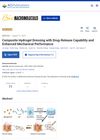 August 2025 in “Biomacromolecules”
 The hydrogel dressing improves wound healing, offers long-lasting antibacterial effects, and enhances patient comfort.
July 2025 in “Nano Research” Nanotechnology can improve tissue healing by controlling immune responses.