1 citations
,
December 2025 in “International Journal of Molecular Sciences” Atelocollagen boosts collagen production and improves skin elasticity in aged skin.
1 citations
,
February 2025 in “Journal of Anatomy” Gray short-tailed opossums' skin shifts from helping with breathing to regulating body temperature as they grow.
 1 citations
,
August 2023 in “The Journal of Pathology”
1 citations
,
August 2023 in “The Journal of Pathology” Different types of skin fibroblasts have unique roles in skin health and disease.
 1 citations
,
September 2017 in “Journal of Investigative Dermatology”
1 citations
,
September 2017 in “Journal of Investigative Dermatology” Backhousia citriodora leaf extract effectively reduces oily skin across different ethnic groups.
 1 citations
,
June 2013 in “Science-business Exchange”
1 citations
,
June 2013 in “Science-business Exchange” Increasing the levels of a protein called FGF9 can promote hair growth, but humans may not respond the same way due to a lack of certain cells.
 1 citations
,
December 2023 in “Vestnik stomatologii i čelustno-licevoj hirurgii”
1 citations
,
December 2023 in “Vestnik stomatologii i čelustno-licevoj hirurgii” Using hyaluronic acid fillers for a lateral temporal lift can cause serious blood vessel issues.
 May 2026 in “International Journal of Molecular Sciences”
 Lactoferrin may improve hair and skin health by reducing inflammation and promoting healing.

Vegan exosome-like vesicles from microalgae improve skin and hair health, reducing wrinkles and enhancing elasticity.
 April 2026 in “Cellular and Molecular Immunology”
 SPT6 prevents excessive skin inflammation by blocking a feedback loop.
February 2026 in “International Journal of Clinical Dermatology” Certain probiotics can help improve skin conditions like atopic dermatitis, but more research is needed.
January 2026 in “Aging and Disease” Targeting mitochondria can improve skin health and slow aging.
December 2025 in “International Journal of Innovative Technologies in Social Science” Imbalanced skin microbiome can worsen skin conditions like acne and eczema.
December 2025 in “Journal of Inflammation Research” Improving education, training, and access to affordable treatments is crucial for better managing inflammatory skin diseases in Latin America.
 November 2025 in “Research Review”
 Probiotics can help reduce acne and improve skin health.
 October 2025 in “International Journal For Multidisciplinary Research”
 Traditional healers in Raichur use 69 plants to treat various ailments, highlighting the need to preserve this knowledge.
June 2025 in “Frontiers in Immunology” Sampling methods greatly affect skin microbiome data in acne studies.
 May 2025 in “Journal of Extracellular Vesicles”
 Erythrocyte extracellular vesicles help hair growth and skin health.
January 2025 in “Health engineering.” Combining stem cells and organoids could improve skin regeneration treatments.
 May 2024 in “International Journal of Science and Research (IJSR)”
 Tankan Bhasma mixed with coconut oil effectively reduced dandruff and improved scalp health.
 April 2024 in “Frontiers in cellular and infection microbiology”
 Blue light might help treat skin conditions by affecting the skin's bacteria.
 March 2024 in “International journal of molecular sciences”
 Zinc, copper, and iron are important for skin health and may help diagnose skin diseases.
Belimumab may cause hair loss in lupus patients.
June 2023 in “University of Thi-Qar Journal of Science” Retinoids effectively treat skin aging but have safety and stability issues.
 October 2021 in “The Egyptian Journal of Hospital Medicine ”
 Combination therapies work better than single treatments for atrophic acne scars.
 March 2021 in “Institutional Repositories DataBase (IRDB)”
 Heparin-functionalized nanofabrics help heal wounds effectively and safely without scars in 14 days.
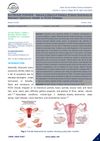 January 2020 in “Asian Journal of Basic Science & Research”
 Nutrease powder, a high-protein, low-carb supplement, can help manage Polycystic Ovary Syndrome symptoms, regulate periods, improve ovulation, and restore fertility.
 September 2017 in “Journal of Investigative Dermatology”
 Thermal imaging is a useful non-invasive method to diagnose active inflammation in frontal fibrosing alopecia.
 September 2017 in “Journal of Investigative Dermatology”
 HIF-1A may aid hair growth, Backhousia citriodora improves skin, autologous cells stabilize hair loss, infrared thermography assesses alopecia, and a new treatment preserves hair.
 May 2013 in “Springer eBooks”
 Skin problems in the elderly are unique and may indicate other diseases, involving changes in skin, hair, nails, and increased cancer risk.
 March 2013 in “Journal of pediatric nursing”
 The case emphasizes the need for careful screening in children for insulin resistance and related conditions.