Search
for
Did you mean Skindex-16?
Sort by
Research
30 / 1000+ results
research Assessing a measure for Quality of Life in patients with severe Alopecia Areata: a multicentric Italian study
Alopecia Areata severely impacts mental health, causing anxiety and depression, affecting quality of life.
research 63532 Impact of Eyebrow and Eyelash Hair Loss on Health-Related Quality of Life Among Patients with Alopecia Areata: Results From a Real-World Survey in 5 European Countries
Eyebrow and eyelash hair loss in alopecia areata worsens quality of life.
research Improvement in health‐related quality of life and symptoms of anxiety and depression in patients with alopecia areata randomized to baricitinib or placebo: Results from two international randomized controlled trials
Patients with severe alopecia areata felt better and less anxious or depressed when treated with baricitinib compared to placebo.
research Quality of life in patients with alopecia areata: a hospital‐based cross‐sectional study
Alopecia areata significantly lowers quality of life, especially in personal and social areas, and more so if the patient is also depressed.
research Psychosocial and mental impact of alopecia areata: Analysis of the Danish Skin Cohort
Alopecia areata significantly affects mental health, especially in women and those with severe cases.
research Treatment Patterns and Health-Related Quality of Life in Patients with Alopecia Areata Stratified by Disease Severity in the USA
More severe alopecia areata can lower quality of life.
research Physician- and Patient-Reported Severity and Quality of Life Impact of Alopecia Areata: Results from a Real-World Survey in Five European Countries
Alopecia areata severely impacts quality of life, causing anxiety, depression, and work impairment.
research Improvement in Measures of Quality of Life and Symptoms of Anxiety and Depression in Patients with Severe Alopecia Areata Achieving Sustained Scalp Hair Regrowth with Baricitinib
Baricitinib improves quality of life and reduces anxiety and depression in severe alopecia areata patients with hair regrowth.
research The Invisible Impact of a Visible Disease: Psychosocial Impact of Alopecia Areata
Alopecia Areata causes emotional stress and stigma, but those with severe hair loss may adapt better.
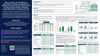
research Efficacy, Safety, and Tolerability of Upadacitinib in Adults and Adolescents With Severe Alopecia Areata: Results From the Randomized, Placebo-Controlled, Double-Blind Phase 3 Program (UP-AA)
Upadacitinib effectively treats severe alopecia areata and is safe.
research Degree of Alignment Between Japanese Patients and Physicians on Alopecia Areata Disease Severity and Treatment Satisfaction: A Real-World Survey
Japanese patients and physicians often disagree on the severity of Alopecia Areata and treatment satisfaction, needing better communication and treatments.
research Treatment of Alopecia Areata with Oral JAK Inhibitor : Focusing on Clinical Outcomes with Baricitinib
Baricitinib is an effective treatment for severe alopecia areata.

research Scalp hair regrowth is associated with improvements in health-related quality of life and psychological symptoms in patients with severe alopecia areata: results from two randomized controlled trials
Regrowing scalp hair improves quality of life and reduces anxiety and depression in severe alopecia areata patients.
research BH08 Evaluating quality-of-life measures for alopecia: a comparative analysis of Dermatology Life Quality Index and Hospital Anxiety and Depression Scale correlations with disease severity
DLQI is a reasonable quality-of-life measure for alopecia patients, but more research is needed.
research 474 The influence of alopecia areata on quality of life: A cross-sectional study in Bangladesh
Alopecia areata significantly affects emotional well-being and quality of life, especially in younger adults.
research The Association of Alopecia Areata-Related Emotional Symptoms with Work Productivity and Daily Activity Among Patients with Alopecia Areata
Emotional symptoms from alopecia areata reduce work productivity and daily activity.
research Ritlecitinib for Severe Alopecia Areata: A 24-Week, Multicentre, Real-World Study
Ritlecitinib effectively regrows hair in severe alopecia areata, especially in adolescents.
research PCR108 QUALITATIVE AND PSYCHOMETRIC EVALUATION OF THE CLINRO MEASURE FOR EYEBROW HAIR LOSS AND CLINRO MEASURE FOR EYELASH HAIR LOSS IN ADULTS AND ADOLESCENTS WITH SEVERE ALOPECIA AREATA
The measures for eyebrow and eyelash hair loss in severe Alopecia Areata are reliable and useful for clinical trials.
research Signposts to the Promised Land in Alopecia Areata
Patient-reported outcomes better reflect the quality of life impact of alopecia areata than traditional severity scores.
research Prevalence of Common Skin Diseases and Their Associated Factors among Military Personnel in Korea: A Cross-sectional Study
Over 60% of Korean military personnel had skin diseases, commonly acne and athlete's foot, linked to service length and stress.
research Arabic version of Skindex‐16: Translation and cultural adaptation, with assessment of reliability and validity
The Arabic Skindex-16 is a reliable and valid way to measure the impact of skin conditions on quality of life in Saudi patients.
research Validation of an Egyptian Arabic Version of Skindex-16 and Quality of Life Measurement in Egyptian Patients with Skin Disease
The Egyptian Arabic Skindex-16 is a reliable way to measure how skin diseases affect quality of life in Egyptian patients.
research The Polish version of Skindex-29: psychometric properties of an instrument to measure quality of life in dermatology
The Polish Skindex-29 is a reliable and valid questionnaire for assessing the quality of life in Polish dermatology patients.
research Item-specific patterns of the Skindex-17 in individuals with different levels of Hidradenitis Suppurativa severity: a network analysis study
Addressing psychosocial symptoms can improve outcomes for people with Hidradenitis Suppurativa.

research Responsiveness of the DLQI and the Colombian validated version of the Skindex-29 in scarring and non-scarring alopecia
Telogen effluvium most affects quality of life in alopecia patients.
research Using Skindex-29 Scale to Assess The Impact of Androgenetic/Patterned Hair Loss on Quality of Life of Patients in Pakistan
Hair loss significantly affects quality of life, especially for women, in Pakistan.
research Comparison of quality of life using hair-specific Skindex-29 between androgenetic alopecia and alopecia areata
Alopecia areata affects quality of life more than androgenetic alopecia.
research Quality of Life with Alopecia Areata versus Androgenetic Alopecia Assessed Using Hair Specific Skindex-29
Alopecia areata and androgenetic alopecia affect quality of life similarly.
research Validación de una adaptación transcultural al idioma español de la escala Hair Specific Skindex-29
The Spanish version of the Hair Specific Skindex-29 scale is a reliable and valid way to measure the impact of hair loss on women's quality of life.