Search
for
Sort by
Research
840-870 / 1000+ resultsresearch Autoimmunity: Alopecia Areata
Alopecia areata is an autoimmune disease causing hair loss, treatable with immune-modulating drugs, and linked to genetics.
research Acute liver damage due to Serenoa repens: a case report
Saw Palmetto can cause severe liver damage.
research Acute Stress-Induced Changes in Follicular Dermal Papilla Cells and Mobilization of Mast Cells: Implications for Hair Growth
Stress can slow hair growth by affecting certain cells and pathways.
research New effects of caffeine on corticotropin‐releasing hormone (CRH)‐induced stress along the intrafollicular classical hypothalamic–pituitary–adrenal (HPA) axis (CRH‐R1/2, IP3‐R, ACTH, MC‐R2) and the neurogenic non‐HPA axis (substance P, p75NTRand TrkA) inex vivohuman male androgenetic scalp hair follicles
Caffeine may help reduce stress-induced hair loss.

research Comment on scalp neuropathy in androgenetic alopecia
Hair loss in men (androgenetic alopecia) is significantly linked to decreased scalp sensitivity, but not temperature sensitivity. More research is needed to confirm this. Comparing this hair loss to leprosy is unsupported and stigmatizing.

research Oral and Topical Administration of a Standardized Saw Palmetto Oil Reduces Hair Fall and Improves the Hair Growth in Androgenetic Alopecia Subjects – A 16-Week Randomized, Placebo-Controlled Study
Saw palmetto extract reduced hair loss and improved hair growth in people with hair thinning.

research Surfactants' Role in Nanovesicles Drug Delivery System
Surfactants in spanlastics improve drug delivery by making nanovesicles more flexible and stable for painless administration through the mouth.

research The atypical ‘hippocampal’ glutamate receptor coupled to phospholipase D that controls stretch‐sensitivity in primary mechanosensory nerve endings is homomeric purely metabotropic GluK2
A special receptor in sensory nerve endings helps control how they respond to stretching.
research Platelet Rich STROMA, the Combination of PRP and tSVF and Its Potential Effect on Osteoarthritis of the Knee
PRS injections can improve knee function and reduce pain for up to a year.
research PROCEEDINGS OF THE INTERNATIONAL CONGRESS "SCIENCE, INFORMATIN, SPIRIT" 2007, PP 28-35 ELECTRO PHOTONIC ANALYSIS OF HAIR AND NON HAIR FIBERS AND INVESTIGATION OF DIFFERENT HAIR TREATMENTS
Hair properties change under electromagnetic fields and are influenced by individual characteristics and the environment.
research Evaluating purified exosome product and its role in neurologic and functional recovery following spinal cord injury in female rats
IT PEP may help recovery after spinal cord injury, but more research is needed.
research A Prospective Self-controlled Clinical Trial of Nonactivated Low Leukocyte PRP in Female Pattern Hair Loss Patients of Childbearing Age: Erratum
research A Prospective Self-controlled Clinical Trial of Nonactivated Low Leukocyte PRP in Female Pattern Hair Loss Patients of Childbearing Age: Erratum
research Aplikasi Rempah Mobe (ficus sp.) dan Antarasa (Litsea cubeba) Sebagai Bahan Pengawet Alami Pada Fillet Ikan Kakap Merah (Lutjanus erythropterus)
Mobe and Antarasa can be used as natural preservatives for red snapper fillets.
research فعالية حقن البلازما الغنية بالصفيحات (PRP) ضمن جلد فروة الرأس في علاج الحاصة الأندروجينية عند الذكور
Platelet-rich plasma (PRP) injections in the scalp are effective for treating male pattern baldness.
research Dorsal Wrist Ganglion: Pilot for Randomized Control Trial Comparing Aspiration Alone or Combined with Injection of Platelet-Rich Plasma
PRP is unlikely to effectively treat wrist ganglia.
research Bioinspired peptides designed for hair perming and dyeing with potential for repair
PepACS offers a safer, eco-friendly way to perm, dye, and repair hair.
research Rapid and Scar Free Wound Repair by Using a Biologically Flexible and Conductive Dressing Under Electrical Stimulation
A new wound dressing with electrical stimulation heals wounds quickly and without scars.
research A Bilayer Polyurethane/Liquid Metal Dressing with Self-Powered Electrical Stimulation and Dynamic Adhesion for Wound Healing
research Solution Copolymerizations of N‐Vinyl‐2‐Pyrrolidone with Acrylic Acid, Methacrylic Acid and Vinyl Acetate for Applications in Hair Cosmetics
These polymers can improve hair texture and reduce water loss in hair cosmetics.
research Spatial and Temporal Coordination of Force-generating Actin-based Modules Drives Membrane RemodelingIn Vivo
Actin filaments help stabilize and integrate cell membranes during transfer.
research DEVELOPMENT AND VALIDATION OF A RP - HPLC METHOD FOR THE SIMULTANEOUS DETERMINATION OF SPIRONOLACTONE AND HYDROCHLOROTHIAZIDE IN PURE AND PHARMACEUTICAL DOSAGE FORM
A new accurate and reliable method was developed to measure Spironolactone and Hydrochlorothiazide together in medicines.
research pH sensitive nano layered double hydroxides reduce the hematotoxicity and enhance the anticancer efficacy of etoposide on non-small cell lung cancer
The nano-carrier makes etoposide safer and more effective against lung cancer.
research Seizure control and side-effect profile after switching adult epileptic patients from standard to extended-release divalproex sodium
Switching to extended-release divalproex sodium improved patient-reported tremor but did not change seizure frequency or most side effects.
research Isolation of sensory hair cell specific exosomes in human perilymph
research Síndrome PRIDE: una práctica forma de identificar los efectos adversos cutáneos de los inhibidores del EGFR
PRIDE syndrome helps identify skin side effects from EGFR inhibitors like erlotinib.
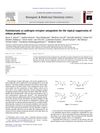
research Pantolactams as androgen receptor antagonists for the topical suppression of sebum production
Pfizer found that pantolactam-based compounds can reduce sebum (skin oil) production when applied topically.
research Riboflavin-Sensitized Photo-Acceleration of Food-Grade Genipin Coloration: Kinetic Insights, Mechanistic Analysis, and Application in Rapid Hair Coloration
Riboflavin and blue light speed up genipin hair dye, making it fast, glossy, stable, and eco-friendly.
research Leucocyte-Rich Platelet-Rich Plasma Enhances Fibroblast and Extracellular Matrix Activity: Implications in Wound Healing
Leucocyte-rich platelet-rich plasma boosts cell activity and helps wound healing.