1 citations
,
April 2021 in “Annals of Otology Rhinology & Laryngology” Surgical removal is advised for large congenital blue nevi due to rare cancer risk.
July 2025 in “International Journal of Trichology” Trichoscopy effectively diagnoses temporal triangular alopecia in children.
32 citations
,
August 2016 in “Journal of the American Academy of Dermatology” Temporal triangular alopecia is a non-scarring hair loss in children, often linked to other health conditions.
1 citations
,
January 1996 in “Aesthetic Plastic Surgery” The tumescent technique makes hair micrografting more comfortable and efficient.

The hairline can reliably guide neurosurgical planning.
 65 citations
,
November 2004 in “Journal of the American Academy of Dermatology”
65 citations
,
November 2004 in “Journal of the American Academy of Dermatology” Bimatoprost can cause excessive eyelash growth.
 56 citations
,
March 2010 in “Journal of Dermatology”
56 citations
,
March 2010 in “Journal of Dermatology” Most cases of Temporal Triangular Alopecia are found in early childhood and may be related to genetic conditions.
 10 citations
,
December 1999 in “Journal of The American Academy of Dermatology”
10 citations
,
December 1999 in “Journal of The American Academy of Dermatology” The technique of using a skin and hair graft from behind the ear successfully reconstructed a large eyebrow defect with good cosmetic results.
3 citations
,
October 1994 in “Medical Molecular Morphology” The lower part of rat vibrissa hair gets more blood and is well-protected for growth.
January 2019 in “Revista Dermatológica Centro Uraga” Alopecia triangular temporal is a rare condition with unclear causes and treatment, but trichoscopy helps in diagnosis.
1 citations
,
October 2023 in “European Journal of Dermatology” Combining hair transplantation with PRP is more effective for treating hair loss than hair transplantation alone.
10 citations
,
January 2015 in “PubMed” 35 citations
,
September 2011 in “The Journal of Dermatology” Trichoscopy helps accurately diagnose temporal triangular alopecia.
14 citations
,
January 2010 in “Dermatology” Some people with congenital triangular alopecia have a central tuft of hair in the bald patch, but the cause is unknown.
191 citations
,
December 2013 in “Plastic & Reconstructive Surgery” Surgical deactivation can significantly reduce or eliminate migraine symptoms.
 3 citations
,
May 2013 in “Pediatric Dermatology”
3 citations
,
May 2013 in “Pediatric Dermatology” A newborn girl had a rare case of salivary gland tissue on her chest, which was safely removed.
 2 citations
,
February 2009 in “Journal of the American Academy of Dermatology”
2 citations
,
February 2009 in “Journal of the American Academy of Dermatology” Injecting triamcinolone into the eyebrow area may help eyelash regrowth in alopecia areata patients.
September 2023 in “Journal of the American Academy of Dermatology” Severe alopecia areata may increase the risk of hidden artery disease.
35 citations
,
January 2011 in “Facial Plastic Surgery” Forehead lifting can restore a youthful look and improve brow aesthetics using various surgical and nonsurgical methods.
 16 citations
,
June 2009 in “Dermatologic Surgery”
16 citations
,
June 2009 in “Dermatologic Surgery” A 17-year-old boy with Temporal Triangular Alopecia successfully grew new hair after a hair restoration surgery using follicular unit transplantation.
1 citations
,
February 1971 in “JAMA” Triamcinolone acetonide helps scalp grafts grow hair successfully.
55 citations
,
July 2016 in “Eye”  1 citations
,
January 2021 in “Dermatology Review”
1 citations
,
January 2021 in “Dermatology Review” A young man developed a rare, bilateral scalp condition after head trauma, causing hair loss but no neurological or eye issues.
 September 2023 in “Clinical anatomy”
 Forehead creases are formed by a tight connection between the skin and muscle through dense fibers, with changes in skin thickness and fewer skin appendages near the creases.
 6 citations
,
January 2018 in “Annals of dermatology/Annals of Dermatology”
6 citations
,
January 2018 in “Annals of dermatology/Annals of Dermatology” Hyaluronic acid filler can safely and effectively improve facial contour in Parry-Romberg Syndrome.
 12 citations
,
June 2012 in “Dermatologic Surgery”
12 citations
,
June 2012 in “Dermatologic Surgery” Hair transplantation effectively treated a woman's patchy hair loss when other treatments failed.
15 citations
,
February 2015 in “Anais brasileiros de dermatologia/Anais Brasileiros de Dermatologia” Dermoscopy helps accurately diagnose temporal triangular alopecia, avoiding unnecessary treatments.
 April 2021 in “Sohag Medical Journal”
 Superficial cryotherapy is effective and safe for treating alopecia areata, especially eyebrow hair loss.
1 citations
,
January 2014 in “Turkish Journal of Ophthalmology” Prostaglandin treatments for glaucoma can cause rare eye area changes like eyelid deepening and fat pad prolapse.
 December 2012 in “Canadian journal of ophthalmology”
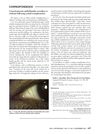
 Eyelash transplantation can cause eye damage and pain if not done carefully.