 3 citations
,
July 2025 in “BIOMED natural and applied science”
3 citations
,
July 2025 in “BIOMED natural and applied science” Drug repurposing can create safer, cheaper treatments by finding new uses for existing drugs.
 3 citations
,
August 2023 in “World Journal of Biology and Biotechnology”
3 citations
,
August 2023 in “World Journal of Biology and Biotechnology” The human microbiome is vital for health and can help treat diseases.
 3 citations
,
May 2023 in “Current Molecular Medicine”
3 citations
,
May 2023 in “Current Molecular Medicine” PRP is not a stem cell treatment and should not be marketed as such.
 2 citations
,
June 2026 in “Frontiers in Science”
2 citations
,
June 2026 in “Frontiers in Science” Regulatory T cells help control the immune system and could lead to new treatments for diseases.
 2 citations
,
October 2025 in “Journal of Materials Science Materials in Medicine”
2 citations
,
October 2025 in “Journal of Materials Science Materials in Medicine” The composite speeds up skin healing and is safe for use in wound dressings.
 2 citations
,
May 2025 in “Infection”
2 citations
,
May 2025 in “Infection” Awareness and better treatment of Demodex mites can improve health and quality of life.
 2 citations
,
November 2023 in “Curēus”
2 citations
,
November 2023 in “Curēus” Platelet-rich plasma (PRP) speeds up skin wound healing and has potential in medical and cosmetic uses.
 1 citations
,
April 2026 in “Cancer Nanotechnology”
1 citations
,
April 2026 in “Cancer Nanotechnology” Nanozymes could improve cancer diagnosis and treatment by mimicking enzymes and enhancing delivery to tumors.
 1 citations
,
June 2025 in “Frontiers in Bioengineering and Biotechnology”
1 citations
,
June 2025 in “Frontiers in Bioengineering and Biotechnology” Glycopeptide hydrogels are promising for tissue repair, drug delivery, and healing due to their multifunctional properties.
 1 citations
,
January 2024 in “Asian Journal of Microbiology Biotechnology and Environmental Sciences”
1 citations
,
January 2024 in “Asian Journal of Microbiology Biotechnology and Environmental Sciences” Tea-producing countries are creating new tea-based products to boost profits and meet global demand.
 1 citations
,
June 2023 in “International Journal of Scientific Research in Science and Technology”
1 citations
,
June 2023 in “International Journal of Scientific Research in Science and Technology” Kiwi is a nutritious fruit that boosts immunity, aids digestion, and supports heart health.
 1 citations
,
January 2019 in “Journal of Embryology & Stem Cell Research”
1 citations
,
January 2019 in “Journal of Embryology & Stem Cell Research” MSCs help rejuvenate skin by promoting cell growth and reducing inflammation.
 1 citations
,
April 2021 in “Current Stem Cell Reports”
1 citations
,
April 2021 in “Current Stem Cell Reports” Eating less can improve stem cell function and increase lifespan.
 June 2026 in “Studia Biologica”
 Felted wool in these sheep has more sweat and bacteria, altering its fatty acids and making it more prone to felting.
 May 2026 in “International Journal of Nanomedicine”
 Nanozymes help heal burn wounds by fighting bacteria, reducing inflammation, and promoting blood vessel growth.

Technology enhances human design thinking, creating new possibilities.

Technology expands design thinking possibilities, requiring a hybrid, reflective approach.
 April 2026 in “Frontiers in Bioengineering and Biotechnology”
 Cellulose membranes heal venous leg ulcers faster than standard dressings.
 March 2026 in “Food, Nutrition and Health.”
 Collagen peptides may help reduce skin aging by improving elasticity and hydration.
 January 2026 in “International Journal of Applied Pharmaceutics”
 Nanoparticle-embedded microneedles improve drug delivery through the skin but face challenges in stability and safety.
 January 2026 in “Journal of Biomedical Research”
 Small extracellular vesicles from stem and immune cells show promise for treating various diseases but face challenges in clinical use.
 December 2025 in “Journal of AI”
 The USA, China, Italy, and Türkiye lead in diverse PRP research, focusing on healing and pain management.
 October 2025 in “Pakistan journal of urology.”
 Personalized, minimally invasive treatments improve urology outcomes.
 July 2025 in “Journal of Pharmacognosy and Phytochemistry”
 Plant-based therapies, like Aloe Vera and Cinnamon, may help manage PCOS symptoms with fewer side effects.
 May 2025 in “International Journal of Clinical Obstetrics and Gynaecology”
 A holistic approach, including lifestyle changes and surgery, is recommended for better long-term PCOS management.
 May 2025 in “Journal of Experimental Pharmacology”
 Allium ascalonicum L. extract may help improve insulin resistance.
 February 2025 in “Biointerface Research in Applied Chemistry”
 Repurposing existing drugs can quickly and cheaply find new treatments for diseases.
 January 2025 in “Dialnet (Universidad de la Rioja)”
 ADSC-enriched fat grafting is the best and safest aesthetic treatment, combining effectiveness and ethical confidence.
 January 2025 in “Epsilon Archive for Student Projects (University of Southampton)”
 Mange and orf are present in some goat herds in Zambia, but more research is needed.
 August 2024 in “New Zealand Medical Student Journal”
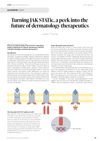
 JAK inhibitors show promise for treating skin diseases effectively and safely.