8 citations
,
February 2009 in “Journal of Dermatological Science” Targeting androgen receptors with antiandrogen oligonucleotides could effectively treat hair loss.
7 citations
,
November 2024 in “Journal of Inflammation Research” Targeting the TRPV4 channel may help treat intestinal diseases.
7 citations
,
August 2023 in “Frontiers in Immunology” Targeting TRP channels may help reduce excessive scarring.
6 citations
,
November 2024 in “Frontiers in Immunology” Targeting autophagy can help treat skin disorders like vitiligo and atopic dermatitis.
6 citations
,
June 2023 in “Experimental Dermatology” Targeting mitophagy may help treat alopecia areata by reducing inflammasome activation.
6 citations
,
March 2022 in “IET Image Processing” Targeting the narrowest part of the anterior chamber angle may help prevent pupil block in glaucoma.
4 citations
,
July 2025 in “International Journal of Molecular Sciences” Targeting amphiregulin may improve treatment for fibrosis and cancer.
4 citations
,
November 2024 in “Journal of Advanced Research” Targeting NMMHC IIA may help treat blood-brain barrier damage.
 4 citations
,
May 2021 in “Biomedicines”
4 citations
,
May 2021 in “Biomedicines” Targeting the protein Caveolin-1 might help treat a type of scarring hair loss called Frontal Fibrosing Alopecia.
 3 citations
,
June 2025 in “Drug Design Development and Therapy”
3 citations
,
June 2025 in “Drug Design Development and Therapy” Targeting glycolysis may help treat PCOS by improving insulin sensitivity and ovarian function.
 3 citations
,
May 2025 in “Cell Death and Disease”
3 citations
,
May 2025 in “Cell Death and Disease” Targeting METTL1 may help slow papillary thyroid cancer growth and spread.
3 citations
,
August 2024 in “Frontiers in Immunology” Targeting specific biomarkers and immune signals is more effective and safer for treating inflammatory skin diseases.
 3 citations
,
January 2024 in “Liver International”
3 citations
,
January 2024 in “Liver International” Targeting thyroid hormone receptor α in liver cells may help treat liver fibrosis.
3 citations
,
January 2016 in “Journal of Clinical & Cellular Immunology” Targeting CXCL10 may help treat alopecia areata.
2 citations
,
December 2025 in “Annals of Medicine” Targeting senescent cells may offer new treatments for PCOS.
2 citations
,
June 2025 in “Preprints.org” Targeting amphiregulin may improve treatment for fibrotic diseases and cancer.
2 citations
,
March 2025 in “Journal of Translational Autoimmunity” Targeting the AhR pathway may help treat alopecia areata.
2 citations
,
March 2025 in “Cancer Gene Therapy” Targeting Sirt1 can reduce androgen levels and slow glioblastoma growth.
2 citations
,
May 2024 in “International Journal of Molecular Sciences” Targeting CD169+ skin macrophages may help treat psoriasis.
2 citations
,
January 2023 in “PubMed” Targeting FGF5 could help treat prostate cancer.
1 citations
,
January 2025 in “Medicine” Targeting SOX proteins may improve cancer treatment by restoring immune function.
1 citations
,
January 2025 in “Burns & Trauma” Targeting Midkine can help reduce pain and itching in keloids.
1 citations
,
July 2022 in “British Journal of Dermatology” Targeting specific genes in certain pathways may help treat male pattern baldness.
1 citations
,
April 2016 in “Journal of Investigative Dermatology” Targeting specific T cells may help treat alopecia areata.
1 citations
,
January 2013 in “Digital Scholarship - UNLV (University of Nevada Reno)” Targeting neurosteroids may help prevent drug relapse.
 1 citations
,
July 2005 in “Drugs and the pharmaceutical sciences”
1 citations
,
July 2005 in “Drugs and the pharmaceutical sciences” Targeting drugs to hair follicles can treat skin conditions, but reaching deep follicle areas is hard and needs more research.
July 2026 in “Expert Review of Clinical Immunology” Targeting specific immune cells may improve treatment for alopecia areata.
 July 2026 in “Frontiers in Immunology”
 Targeting protein lactylation may improve skin disease treatments.
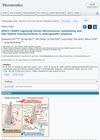 May 2026 in “Theranostics”
 Targeting DKK3–CKAP4 can help reverse hair loss in androgenetic alopecia.
 May 2026 in “Discover Oncology”
 Targeting LGR4 may help treat cancer by reducing cancer stem cell traits and drug resistance.