October 2025 in “Diagnostics” Temporal triangular alopecia is a harmless, non-progressive hair loss condition.
 56 citations
,
March 2010 in “Journal of Dermatology”
56 citations
,
March 2010 in “Journal of Dermatology” Most cases of Temporal Triangular Alopecia are found in early childhood and may be related to genetic conditions.
42 citations
,
September 1985 in “British Journal of Dermatology” Trichothiodystrophy causes abnormal protein deposits and distortion in hair follicles.
13 citations
,
July 2012 in “International Journal of Trichology” TTD symptoms vary widely, requiring thorough evaluations.
 2 citations
,
May 2005 in “Seminars in Plastic Surgery”
2 citations
,
May 2005 in “Seminars in Plastic Surgery” The Juri Temporo-Parieto-Occipital Flap is a good option for scalp reconstruction and hairline restoration with a natural look, despite some risk of necrosis and scarring.
July 2025 in “International Journal of Trichology” Trichoscopy effectively diagnoses temporal triangular alopecia in children.
 April 2016 in “Journal of The American Academy of Dermatology”
 The study found that Temporal Triangular Alopecia often starts in early childhood, mainly affects the left side of the scalp, and has no effective treatment except surgery.
 December 2020 in “TURKDERM”
 A 3-year-old boy was diagnosed with a rare, non-scarring hair loss condition called temporal triangular alopecia.
August 2024 in “Skin Research and Technology” TAF can be identified by excessive skin thickening and clogged hair follicles, helping distinguish it from similar skin conditions.
April 2021 in “Journal of Investigative Dermatology” Early-stage skin substitutes improve wound healing and skin structure.
April 2012 in “Neuropediatrics” Trichothiodystrophy is a rare genetic disorder causing hair issues and sometimes linked to DNA repair defects.
1 citations
,
January 2016 in “Dermatology Online Journal” Triangular temporal alopecia can occur in adults and should be correctly identified to prevent misdiagnosis.
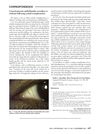 December 2012 in “Canadian journal of ophthalmology”
 Eyelash transplantation can cause eye damage and pain if not done carefully.
 24 citations
,
September 2014 in “Journal of the European Academy of Dermatology and Venereology”
24 citations
,
September 2014 in “Journal of the European Academy of Dermatology and Venereology” Trichoscopy is reliable for diagnosing Temporal Triangular Alopecia and can prevent unnecessary biopsies and wrong treatments.
1 citations
,
July 2023 in “Pharmaceutics” New microneedles deliver drugs through the skin accurately and effectively.
29 citations
,
October 2001 in “British Journal of Ophthalmology”  May 2022 in “Experimental dermatology”
 Trichothiodystrophy hair is structurally abnormal with protein and organization issues.
April 2025 in “Experimental Eye Research” The Oat mouse model shows mild retinal degeneration, useful for testing treatments.
July 2024 in “Journal of Investigative Dermatology” ATR12-351 ointment safely delivers LEKTI protein to the skin, reducing enzyme activity in Netherton syndrome.
 1 citations
,
December 2015 in “Dermatologic Surgery”
1 citations
,
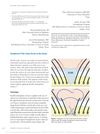
December 2015 in “Dermatologic Surgery” Double trichophytic closure effectively treats thin scalp scars and reduces patient costs.
1 citations
,
August 2025 in “Bioengineering” Combining FTSC with TSN6 peptide greatly improves wound healing.
September 2023 in “Journal of the American Academy of Dermatology” CTP-543 is generally safe for treating alopecia areata.
14 citations
,
October 2001 in “British Journal of Ophthalmology” Corneal issues in pemphigus vulgaris may require surgery if medication is not followed.
July 2025 in “Journal of Investigative Dermatology” Tissue-engineered skin substitutes can model junctional epidermolysis bullosa and may help develop gene therapy.
July 2025 in “Journal of Investigative Dermatology” TRIV-509 quickly improves skin barrier and cell health in atopic dermatitis.
3 citations
,
January 2025 in “JID Innovations” Hidradenitis suppurativa tunnels worsen the disease and often need surgery because current treatments are not very effective.
30 citations
,
April 2023 in “Indian Journal of Ophthalmology” New treatments using advanced technology aim to improve dry eye disease care.
16 citations
,
July 2017 in “Journal of American Association for Pediatric Ophthalmology and Strabismus” The modified Crawford technique resulted in less lagophthalmos and better cosmetic outcomes for patients with lateral droop.
 2 citations
,
May 2011 in “Hair transplant forum international”
2 citations
,
May 2011 in “Hair transplant forum international” The Intruder is a tool used for safely preparing the area where a donor's tissue is taken.
 August 2019 in “Journal of The American Academy of Dermatology”
 The document concludes that using micropore tape on an 18-gauge needle can control depth in hair restoration surgery, reducing scalp trauma and complications.