 May 2026 in “Iconic Research and Engineering Journals”
 Polyherbal hair oils effectively promote hair growth and scalp health.
Combining psychodermatology and PRP therapy can improve skin condition treatment by addressing both mental and physical health.
 January 2009 in “Springer eBooks”
 The document concludes that treating skin conditions should include psychological care and a multidisciplinary approach is essential for effective management.
 152 citations
,
December 2007 in “Gender Medicine”
152 citations
,
December 2007 in “Gender Medicine” Male and female skin differ due to hormones, affecting conditions like hair loss, acne, and skin cancer, and suggesting a need for gender-specific treatments.
 60 citations
,
October 2014 in “Journal of the American Academy of Dermatology”
60 citations
,
October 2014 in “Journal of the American Academy of Dermatology” Dermatologists play a key role in treating skin symptoms of PCOS like dark patches, excess hair, acne, and hair loss.
 26 citations
,
January 2013 in “BioMed Research International”
26 citations
,
January 2013 in “BioMed Research International” Hormonal changes after childbirth and menopause can lead to women's hair loss and facial hair growth, with a need for better treatments.
 17 citations
,
January 1995 in “The American Journal of Medicine”
17 citations
,
January 1995 in “The American Journal of Medicine” The document concludes that proper diagnosis and tailored long-term treatment can effectively manage androgenic disorders in women, improving patient care outcomes.
 5 citations
,
September 2012 in “Springer eBooks”
5 citations
,
September 2012 in “Springer eBooks” Nanoparticles can be used to deliver drugs to hair follicles, potentially improving treatments for conditions like acne and alopecia, and could also be used for vaccine delivery and gene therapy.
 1 citations
,
December 2023 in “Revista médica de Chile”
1 citations
,
December 2023 in “Revista médica de Chile” Lithium can cause skin issues like acne and hair loss.
 14 citations
,
April 2000 in “Animal Science/Animal science”
14 citations
,
April 2000 in “Animal Science/Animal science” Nutrients like vitamins, copper, zinc, and amino acids are crucial for healthy hair and wool growth.
 2 citations
,
April 2018 in “Natural Product Communications”
2 citations
,
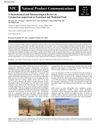
April 2018 in “Natural Product Communications” Cynomorium songaricum has many health benefits and could help with hair regrowth.
 June 2025 in “Journal of Cluster Science”
 Metal nanoparticles show promise for treating hair loss but need more research to ensure safety.
 December 2023 in “Journal of family medicine and primary care”
 Hair loss in Saudi Arabia causes a low psychosocial impact, with less effect on those without a family history of hair loss.
 April 2025 in “Drug Design Development and Therapy”
 Jiawei Erzhiwan helps hair growth in androgenetic alopecia by affecting specific cell pathways.
 June 2024 in “Journal of Cosmetic Dermatology”
 Higher homocysteine levels may inhibit hair growth and are linked to androgenetic alopecia.
August 1993 in “Journal of Dermatological Science” Cyclosporin and minoxidil promote hair growth.
 January 2022 in “Tissue & Cell”
 Using both platelet-rich plasma and minoxidil together gives the best results for hair growth in male rats with hair loss.
 May 2025 in “International Journal of Trichology”
 Dutasteride mesotherapy can cause hair loss in some people.
 November 2023 in “Clinical, Cosmetic and Investigational Dermatology”
 Saw palmetto extract reduced hair loss and improved hair growth in people with hair thinning.
November 2022 in “Journal of Cosmetic Dermatology” The combined therapy significantly increased hair density and was safe for treating hair loss.
4 citations
,
August 2023 in “Journal of Cosmetic Dermatology” Gynostemma pentaphyllum extract may help grow hair and prevent graying.
 November 2024 in “Clinical Cosmetic and Investigational Dermatology”
 Rosemary oil may effectively treat hair loss with fewer side effects, but more research is needed.
 34 citations
,
September 2019 in “Clinical, Cosmetic and Investigational Dermatology”
34 citations
,
September 2019 in “Clinical, Cosmetic and Investigational Dermatology” Light therapy can stimulate hair growth and is more effective when started early, but more research is needed on its long-term effects and optimal use.
 19 citations
,
May 2021 in “Clinical, Cosmetic and Investigational Dermatology”
19 citations
,
May 2021 in “Clinical, Cosmetic and Investigational Dermatology” Minoxidil and finasteride are the best for non-scarring hair loss; more research is needed for scarring hair loss treatments.

Polygonum multiflorum may help treat hair loss but can be toxic to the liver.
July 2024 in “Fitoterapia” Camellia oleifera seed shell polyphenols and 1,3,6-tri-O-galloylglucose can help treat hair loss by reducing certain hormones and promoting hair growth.
 November 2023 in “Scientific Reports”
 A gene mutation in Lama3 is linked to a common type of hair loss.
 November 2023 in “Journal of Drug Delivery Science and Technology”
 Exosomes may help stimulate hair growth and improve hair loss conditions like androgenic alopecia.

Kerascalp hair serum was found to be safe and effective in improving hair growth and strength in people with mild to moderate hair loss.
1 citations
,
July 2022 in “Clinical, Cosmetic and Investigational Dermatology” Taohong Siwu Decoction may help treat hair loss by targeting multiple genes and pathways.