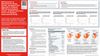
 November 2025 in “SKIN The Journal of Cutaneous Medicine”
 Baricitinib significantly regrows hair in nasal, genital, and beard areas for severe alopecia areata.
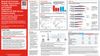 November 2025 in “SKIN The Journal of Cutaneous Medicine”
 Baricitinib helps regrow scalp, eyebrow, and eyelash hair in teens with severe alopecia areata.
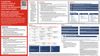 November 2025 in “SKIN The Journal of Cutaneous Medicine”
 Alopecia areata negatively affects self-esteem, relationships, and academics in young people.
 October 2025 in “Dermatology and Therapy”
 Ritlecitinib is being tested for effectiveness and safety in treating severe alopecia areata.
 October 2025 in “Dermatology and Therapy”
 Recognizing and treating related skin conditions can improve atopic dermatitis management.
Spironolactone is effective and safe for treating acne.
 March 2025 in “SKIN The Journal of Cutaneous Medicine”
 Certain patient characteristics can help predict hair regrowth success with ritlecitinib in alopecia areata.
 January 2025 in “SKIN The Journal of Cutaneous Medicine”
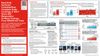
 Baricitinib significantly regrows hair in severe alopecia areata patients.
 January 2025 in “SKIN The Journal of Cutaneous Medicine”
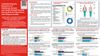
 People with alopecia areata face different healthcare access and experiences based on their race and ethnicity.
 December 2024 in “Highlights in Science Engineering and Technology”
 Stem cells show promise for hair regrowth, but challenges remain.
 November 2024 in “SKIN The Journal of Cutaneous Medicine”
 Ritlecitinib effectively promotes hair regrowth in severe and very severe alopecia areata.
 September 2024 in “Cureus”
 Guselkumab effectively treats skin reactions caused by adalimumab in certain conditions.
 September 2024 in “Cutis”
 Dermatology residency programs need better DEI training to improve care for diverse patients.
 September 2024 in “Cutis”
 Sunscreen use may increase the risk of frontal fibrosing alopecia.
 July 2024 in “Journal Of Stem Cell Research”
 Mesenchymal stem cells improve skin appearance and structure in dermatology and aesthetic medicine.
 June 2024 in “Dermatology and Therapy”
 Baricitinib improves quality of life and reduces anxiety and depression in severe alopecia areata patients with hair regrowth.

Men with CCCA often face delayed diagnosis and severe hair loss, highlighting the need for earlier recognition and treatment.
 April 2024 in “Frontiers in medicine”
 Alopecia Areata significantly lowers quality of life and current treatments are inadequate, highlighting a need for better therapies and standardized treatment protocols.
 March 2024 in “Dermatology and therapy”
 AA patients with comorbid conditions face more severe hair loss and need specific treatments.
 March 2024 in “Clinical, cosmetic and investigational dermatology”
 Severe alopecia areata greatly impacts quality of life, mental health, and daily activities.
 January 2024 in “American journal of clinical dermatology”
 Ritlecitinib is safe and well-tolerated for treating alopecia areata in patients aged 12 and older.
Dutasteride is more effective and better tolerated than finasteride for hair loss treatment.
 January 2024 in “Advances in Dermatology and Allergology”
 New treatments offer hope for better managing hidradenitis suppurativa.
 October 2023 in “RECIMA21 - Revista Científica Multidisciplinar - ISSN 2675-6218”
 Vitamin D supplementation can improve skin health and appearance.
 September 2023 in “Dermatology and therapy”
 Ritlecitinib effectively improves hair growth in alopecia areata patients, regardless of hair loss pattern.
 May 2023 in “Archives of dermatological research”
 Some factors like thyroid disease, diabetes treatment, hair dryers, natural hairstyles, and scalp conditions can affect the treatment results for a hair loss condition called CCCA.
 April 2023 in “Egyptian journal of Immunology”
 10% hPL is best for growing mesenchymal stem cells, while 10% FBS is best for hepatocytes.
 June 2020 in “Annals of the Rheumatic Diseases”
 Patients with Systemic Sclerosis have much higher levels of GDF-15, which could help predict organ involvement and guide treatment.
 June 2020 in “Annals of the Rheumatic Diseases”
 Patients need better information about the risks of long-term steroid use.
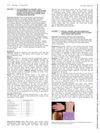
A TNFAIP3 gene mutation can cause unusual and varied symptoms of lupus and Sjogren's syndrome.