September 2011 in “Archives of dermatology” The child was diagnosed with cutaneous leishmaniasis.
 October 2009 in “Reactions Weekly”
 A woman developed lupus after taking hydroxyurea for two years.
19 citations
,
March 2011 in “The Journal of Dermatology” A child's rare skin disease was triggered by chickenpox.
2 citations
,
October 1974 in “Archives of Dermatology” The woman's skin condition persisted for 20 years despite treatments.
69 citations
,
May 2002 in “Journal of Investigative Dermatology” Congenital atrichia with papular lesions is often misdiagnosed, and new diagnostic criteria can improve accuracy.
 September 2022 in “Anais Brasileiros de Dermatologia”
 Dermoscopy helped diagnose a rare skin disease which slightly improved with treatment.
 May 2014 in “Clinical and Experimental Dermatology”
 A 70-year-old woman with a rare skin condition improved after treatment with topical steroids and acitretin.
 3 citations
,
October 2019 in “JAAD Case Reports”
3 citations
,
October 2019 in “JAAD Case Reports” Two patients with lupus had an unusual type of hair loss not typical for the disease but improved with treatment.
January 2018 in “JAMA dermatology” Facial papules can occur with lichen planopilaris.
September 2016 in “European Journal of Pediatric Dermatology/PD. European journal of pediatric dermatology” Ulerythema ophryogenes causes hair thinning and inflammation, with limited treatment options.
July 2022 in “European Journal of Dermatology” Brodalumab is more effective than ustekinumab in treating psoriasis.
April 2026 in “American Journal of Dermatopathology” Increased blood vessel growth in lichen planopilaris may signal active disease needing aggressive treatment.
July 1979 in “Archives of Dermatology” A 68-year-old woman with benign mucous membrane pemphigoid has eye, mouth, and skin issues, including thick plaques and nail changes.
2 citations
,
October 2000 in “Journal of Investigative Dermatology” AUC and APL are distinct conditions needing careful clinical assessment.
October 2025 in “JMIR Dermatology” Exclamation-mark hairs and yellow dots indicate alopecia areata, while follicular ostia loss and white scarring indicate lichen planopilaris and discoid lupus erythematosus.
Lichen spinulosus, usually seen in young people, can rarely occur in adults, as shown by a 52-year-old woman with a rough, bumpy rash.

The woman was diagnosed with lichen sclerosus, a rare skin condition, after initial misdiagnosis and ineffective treatments.
Lichen planus commonly affects middle-aged adults, often involves limbs and mucosal areas, and can be linked to immune diseases.
 March 2019 in “Nasza Dermatologia Online”
 A man had both alopecia areata and lichen planus, which is uncommon.
December 2022 in “Journal of Paediatrics and Child Health” The girl's itchy armpit and pubic lesions didn't improve with antifungal cream.
 February 2016 in “Acta Medica Marisiensis”
 A woman with chronic hepatitis C had a rare skin condition linked to her illness.
 3 citations
,
March 2010 in “Dermatologica Sinica”
3 citations
,
March 2010 in “Dermatologica Sinica” A Taiwanese patient had hair loss and skin bumps without the usual gene mutation, suggesting other genetic factors might be involved.
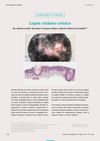 January 2024 in “Revista Dermatológica Centro Uraga”
 The patient has Chronic Cutaneous Lupus, a skin condition causing plaques and hair loss.
14 citations
,
April 2017 in “Dermatology practical & conceptual” Yellow dots are common in severe alopecia areata.
8 citations
,
January 2013 in “International journal of trichology” Two people had unusual ring-shaped hair loss due to an autoimmune disorder.
September 2012 in “Turkish Journal of Dermatology” Erythema multiforme-like lesions can occur in lupus without drug use or herpes infection.
4 citations
,
July 2014 in “The Journal of Dermatology” Plaque-type herpetic folliculitis affects eccrine glands.
2 citations
,
July 2016 in “Veterinary dermatology” Hyperaesthetic leucotrichia in horses causes painful, recurring skin lesions and hair color changes, especially in Arabian and American paint horses.
 14 citations
,
December 2007 in “Pediatric allergy and immunology”
14 citations
,
December 2007 in “Pediatric allergy and immunology” Newborns with the common rash Erythema Toxicum have many active mast cells in their skin, but these cells don't produce the LL-37 peptide.
 October 2025 in “EMJ Dermatology”
 Histopathology is crucial for accurately diagnosing eruptive vellus hair cysts.