 2 citations
,
January 2007 in “Journal of The American Academy of Dermatology”
2 citations
,
January 2007 in “Journal of The American Academy of Dermatology” Red and infrared light therapy improves hair growth in balding patients.
 1 citations
,
April 2016 in “Journal of The American Academy of Dermatology”
1 citations
,
April 2016 in “Journal of The American Academy of Dermatology” The study concludes that Loose Anagen Hair Syndrome is a benign condition that usually improves with age but can be hard to diagnose and stressful for the family.
 1 citations
,
May 2015 in “Journal of The American Academy of Dermatology”
1 citations
,
May 2015 in “Journal of The American Academy of Dermatology” Oral clindamycin and rifampicin are the most effective treatments for Folliculitis decalvans.
 July 2026 in “Frontiers in Cellular and Infection Microbiology”
 Staphylococcus levels may indicate hair loss in men and could help develop new treatments.
July 2026 in “Journal of the American Academy of Dermatology” CRT is more effective than oral minoxidil alone for treating hair loss.

Low-dose oral and topical minoxidil are recommended for managing hair loss in transplant patients, with specific doses and precautions.
February 2026 in “Journal of Cosmetic Dermatology” A new reliable scale improves accuracy in measuring hair density and treatment response.
January 2026 in “Dermatologica Sinica” Both oral and topical minoxidil effectively regrow hair in men with similar results.
December 2025 in “Journal of Pharmacy And Bioallied Sciences” Personalized Ayurvedic treatment can effectively regrow hair in androgenetic alopecia.
The combination of oral minoxidil, oral dutasteride, and mesotherapy is the most effective and safe for hair growth in AGA.
 August 2025 in “Archives of Dermatological Research”
 Oral minoxidil is more effective than topical minoxidil for hair growth in men.
July 2025 in “Skin Appendage Disorders” Dutasteride microinfusion and microneedling both effectively treat male hair loss.
 June 2025 in “Journal of Cosmetic Dermatology”
 Dutasteride 0.5 mg/day is the most effective treatment for male pattern hair loss.
 January 2025 in “International Journal of Medical Arts”
 Topical sildenafil 1.0% may help increase hair count in female pattern hair loss.
January 2025 in “Archivio istituzionale della ricerca (Alma Mater Studiorum Università di Bologna)” Skin patting and iontophoresis with dutasteride gel improved hair growth in people with androgenetic alopecia.

Mesenchymal Stem Cell Conditioned Media can significantly regrow hair in alopecia areata patients.
 September 2024 in “Journal of Skin and Stem Cell”
 MMP® with minoxidil may improve hair growth in chronic telogen effluvium.
 September 2024 in “LUTS Lower Urinary Tract Symptoms”
 People with hair loss may have worse urinary symptoms due to an enlarged prostate.
 January 2024 in “Photodiagnosis and Photodynamic Therapy”
 Using minoxidil with laser therapy is more effective for female hair loss than minoxidil alone.
 September 2023 in “Medicine”
 Herbal extract spray improved hair growth in a man with hair loss.
September 2023 in “Journal of the American Academy of Dermatology” Combining robotic and specialized tools improves hair transplant results.
 July 2023 in “International journal of trichology”
 Cellcurin therapy with microneedling increases hair density and thickness in treating hair loss in men and women.
April 2023 in “UNESP Institutional Repository (São Paulo State University)” Oral and topical minoxidil are similarly effective for hair growth, but oral may work better on the top of the head.
 January 2023 in “Springer eBooks”
 Most older adults experience pattern hair loss due to shrinking hair follicles, with men and women showing different balding patterns.

Minoxidil and finasteride are the only FDA-approved treatments for hair loss caused by genetic and hormonal factors, but their effectiveness is often doubted, indicating a need for new treatments.
Cellcurin serum significantly increased hair growth in people with androgenetic alopecia.
 March 2021 in “CRC Press eBooks”
 Photography is essential for tracking hair disease progression, especially with consistent lighting and documenting specific scalp areas.
 July 2019 in “Journal of Investigative Dermatology”
 The research found that male pattern hair loss is mostly genetic and involves hair thinning due to hormonal effects and changes in gene expression.
 April 2019 in “Journal of Medical Science And clinical Research”
 The grey patch variant of tinea capitis is most common, mainly spread through family and animals.
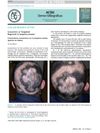 April 2016 in “Actas Dermo-Sifiliográficas”
 The document concludes that a unique target-like hair regrowth pattern in alopecia areata may be more common than thought and should be properly identified.