1 citations
,
January 1980 in “Side effects of drugs annual” Taking too much vitamin A can cause health problems like bone pain and hair loss.
 1 citations
,
February 2025 in “Frontiers in Endocrinology”
1 citations
,
February 2025 in “Frontiers in Endocrinology” Diet and sunlight are important for maintaining good vitamin D levels.
 July 2026 in “Journal of Cutaneous and Aesthetic Surgery”
 Male hair loss is mainly due to androgens, while female hair loss involves hormones, vitamins, and genetics.
 May 2026 in “Archives of Dermatological Research”
 Vitamin E and gamma-oryzanol protect hair from UV damage.
 May 2026 in “Archives of Dermatological Research”
 Genetics likely cause premature graying hair, not vitamin levels.

Lower vitamin D levels are linked to more severe hair loss in men.
October 2025 in “Medical Journal of Babylon” Higher testosterone and lower Vitamin D levels are linked to hair loss in female COVID-19 patients.
September 2025 in “Clinics and Practice” Collagen with calcium and vitamin D improves bone health, skin elasticity, and reduces hair loss in menopausal women.
 March 2025 in “Clinical Cosmetic and Investigational Dermatology”
 The Tru9I variant in the VDR gene may influence alopecia areata risk and vitamin D levels.
 December 2024 in “International Journal of Health Sciences and Research”
 Vitamin D is crucial for health, and deficiency can cause hair loss and other health issues.
 June 2024 in “British Journal of Dermatology”
 Vitamin B supplements may reverse grey hair.
May 2024 in “Journal of Pakistan Association of Dermatologists” Vitamin D levels don't affect alopecia areata.
 March 2024 in “Skin research and technology”
 High CRP levels could indicate vitamin D deficiency in people with alopecia areata.
 September 2023 in “Journal of Cosmetic Dermatology”
 Lower vitamin D levels are linked to higher CRP levels in people with a type of hair loss called alopecia areata.
 September 2020 in “Benha Veterinary Medical Journal”
 Sheep with skin diseases often have lower levels of certain trace elements and vitamin A, and higher oxidative stress and immunoglobulin E levels.
January 2019 in “Egyptian Journal of Dermatology and Venereology /Egyptian Journal of Dermatology and Venerology” Low vitamin D levels might indicate more severe hair loss in alopecia areata patients.
February 2023 in “Clinical, Cosmetic and Investigational Dermatology” Higher leptin and lower vitamin D levels may contribute to male pattern baldness.
December 2021 in “Vestnik Rossiĭskoĭ akademii meditsinskikh nauk / Rossiĭskaia akademiia meditsinskikh nauk” Personalized vitamin and trace element treatment improves hair density and reduces hair loss in men with early-stage androgenic alopecia.
77 citations
,
April 1968 in “Development” Excess vitamin A can cause hair follicles to change into gland-like structures.
 47 citations
,
July 2005 in “British Journal of Dermatology”
47 citations
,
July 2005 in “British Journal of Dermatology” Topical vitamin D3 does not prevent hair loss from chemotherapy.
45 citations
,
August 1954 in “Experimental Biology and Medicine” Vitamin A penetrates guinea pig skin quickly in alcohol, affects skin thickness, but doesn't impact hair growth.
44 citations
,
May 1998 in “PubMed” The retinoid receptor antagonist effectively disrupts vitamin A-related development in embryos.
39 citations
,
June 2009 in “Oncology” High-dose vitamin A was safe and well-tolerated in a lung cancer treatment study.
32 citations
,
January 2006 in “Liver transplantation” Vitamin A toxicity can cause severe health issues and may require a liver transplant if other treatments fail.
20 citations
,
February 1977 in “The anatomical record” Excess vitamin A changes skin and hair follicle development and affects polysaccharide distribution.
 18 citations
,
October 2014 in “Experimental Biology and Medicine”
18 citations
,
October 2014 in “Experimental Biology and Medicine” Eating vitamin A affects hair growth and health by changing cell signals in mice.
18 citations
,
October 1978 in “The journal of investigative dermatology/Journal of investigative dermatology” Excess vitamin A causes lasting gland changes in mouse hair follicles.
 16 citations
,
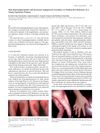
January 2008 in “Acta dermato-venereologica”
16 citations
,
January 2008 in “Acta dermato-venereologica” Vitamin B12 deficiency can cause skin darkening and increased blood vessels, but treatment can improve symptoms.
14 citations
,
July 2022 in “Nutrients” Vitamin A is important for healthy skin and hair, influencing hair growth and skin healing, but UV light reduces its levels.
 14 citations
,
September 2021 in “Journal of Cosmetic Dermatology”
14 citations
,
September 2021 in “Journal of Cosmetic Dermatology” Low vitamin D levels are linked to various types of hair loss, but more research is needed before using it as a treatment.