 2 citations
,
January 2001 in “Biomedical Research”
2 citations
,
January 2001 in “Biomedical Research” Trichohyalin and peptidylarginine deiminase type III are found together in rat hair follicles, with trichohyalin being modified after expression.
 December 2023 in “International journal of multidisciplinary research and analysis”
 SH-MSCs gel reduced IL-6 and increased TGF-β, suggesting it could treat alopecia.
 January 2001 in “Biomedical Research”
 THH and PAD type III appear together early in hair growth, but deiminated THH appears later, suggesting another factor is involved.
20 citations
,
April 2002 in “PubMed” Mini rats have thinner skin, more fat, and different hair cycles than Wistar rats due to lower growth hormone levels.
Low-level laser therapy combined with Neoptide improved hair regrowth better than either treatment alone in rats.
 17 citations
,
May 2011 in “Gene Therapy”
17 citations
,
May 2011 in “Gene Therapy” Using polyethylenimine-DNA to deliver the hTERT gene can stimulate hair growth and may be useful in treating hair loss, but there could be potential cancer risks.
 19 citations
,
January 2009 in “Journal of Young Pharmacists”
19 citations
,
January 2009 in “Journal of Young Pharmacists” Alcoholic extract of Eclipta alba may help treat allergies and is safe at high doses.
53 citations
,
January 2013 in “Journal of toxicologic pathology” The project created a standardized system for classifying skin lesions in lab rats and mice.
 19 citations
,
December 2015 in “Journal of Investigative Dermatology”
19 citations
,
December 2015 in “Journal of Investigative Dermatology” The protein p53 directly reduces the production of Keratin 17, a skin and hair protein, in rats with radiation dermatitis.
2 citations
,
September 2020 in “International Journal of Molecular Sciences” Removing certain hair follicle stem cells worsens skin reactions to allergens.
 9 citations
,
January 2011 in “EXPERIMENTAL ANIMALS”
9 citations
,
January 2011 in “EXPERIMENTAL ANIMALS” A new rat strain with a specific gene mutation causes hair loss and kidney issues.
 June 2023 in “Italian Journal of Medicine”
 Urotensin II increases growth and VEGF production in rat skin cells by turning on the Wnt-β-catenin pathway.
 June 2023 in “Research Square (Research Square)”
 Hyaluronic acid and polycaprolactone improve skin regeneration, with polycaprolactone having a stronger effect on healing and tissue repair.
 May 2025 in “International Journal of Molecular Sciences”
 Exosomes from rat hair follicle stem cells may help heal wounds and regenerate skin.
 17 citations
,
December 2001 in “Journal of Investigative Dermatology”
17 citations
,
December 2001 in “Journal of Investigative Dermatology” The osteopontin gene is active in a specific part of rat hair follicles during a certain hair growth phase and might affect hair cycle and diseases.
 6 citations
,
September 2021 in “Experimental Brain Research”
6 citations
,
September 2021 in “Experimental Brain Research” Rats have different touch receptors in their paws that help with movement and handling objects.
 128 citations
,
March 2016 in “Advanced Pharmaceutical Bulletin”
128 citations
,
March 2016 in “Advanced Pharmaceutical Bulletin” Smaller nanoparticles penetrate skin better, especially through hair follicles.
 15 citations
,
May 2016 in “Die Pharmazie”
15 citations
,
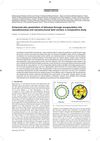
May 2016 in “Die Pharmazie” Nanostructured lipid carriers deliver lidocaine to the skin better than nanoethosomes.
 14 citations
,
November 2005 in “Life sciences”
14 citations
,
November 2005 in “Life sciences” Vitamin D3 may protect rat hair follicles from radiation damage.
 April 2026 in “Inflammopharmacology”
 Punica granatum leaf extract may help treat skin fibrosis by reducing inflammation and oxidative stress.
 January 2026 in “Journal of Surgery and Research”
 For best results in vascular transplants, use donor vessels within 3 days.
 8 citations
,
April 2011 in “Surgery today”
8 citations
,
April 2011 in “Surgery today” A substance called sodium zinc dihydrolipoylhistidinate can significantly reduce hair loss caused by chemotherapy in rats.
 May 2019 in “Pakistan Journal of Pharmaceutical Sciences”
 CO2 laser treatment may be more effective for skin rejuvenation.
 1 citations
,
January 2016 in “Open Forum Infectious Diseases”
1 citations
,
January 2016 in “Open Forum Infectious Diseases” Retinoic acid is not linked to hair loss from fluconazole use.
 55 citations
,
August 2015 in “AAPS PharmSciTech”
55 citations
,
August 2015 in “AAPS PharmSciTech” The cream with orange peel and liquorice extracts may help reduce skin aging.
 3 citations
,
April 2022 in “Veterinary world/Veterinary World”
3 citations
,
April 2022 in “Veterinary world/Veterinary World” The mesenchymal stem cell-conditioned medium gel improved burn healing and hair growth in rats better than other treatments.
15 citations
,
November 2018 in “Current radiopharmaceuticals” Melatonin can help prevent and treat skin damage caused by gamma rays.
 August 2015 in “Arquivo Brasileiro de Medicina Veterinária e Zootecnia/Arquivo brasileiro de medicina veterinária e zootecnia”
 Caffeine intake during pregnancy and lactation can cause skin lesions in mother rats and their babies, not linked to cortisol levels.
 12 citations
,
July 1957 in “Journal of Investigative Dermatology”
12 citations
,
July 1957 in “Journal of Investigative Dermatology” Giving dihydrotachysterol to mother rats caused skin hardening and bone issues in their babies through milk.
 January 2025 in “The World Journal of Men s Health”
 Finasteride temporarily suppresses brain activity, but some effects last even after stopping.