3 citations
,
February 2018 in “Experimental and Molecular Medicine/Experimental and molecular medicine” A protein called PCBP2 controls the production of a hair growth protein by interacting with its genetic message and is linked to hair loss when this control is disrupted.
 2 citations
,
August 2019 in “Journal of skin and stem cell”
2 citations
,
August 2019 in “Journal of skin and stem cell” The study concludes that regulating apoptosis could lead to new treatments for various skin and hair conditions.
2 citations
,
January 2009 in “Human cell culture” 1 citations
,
January 2016 in “Acta histochemica” Black sheep have higher levels of Gnαs and Gnα11 proteins, which may affect their coat color.
 1 citations
,
January 2022 in “Cell Biology International”
1 citations
,
January 2022 in “Cell Biology International” Changing CDK4 levels affects the number of stem cells in mouse hair follicles.
July 2026 in “IntechOpen eBooks” Vitamin B is essential for metabolism and health, and new therapies are improving its effectiveness.
May 2026 in “Stem Cell Research & Therapy” KRT6A may help diagnose and treat alopecia areata.
 April 2026 in “Antibodies”
 The role of antibodies in alopecia is unclear, but JAK inhibitors show promise for treatment.
March 2026 in “Pigment Cell & Melanoma Research” Clear documentation and shared best practices are essential for improving research consistency in pigment cells.
January 2026 in “JPRAS Open” PDLLA scalp injections improved hair regrowth in most patients with non-scarring alopecia.
January 2026 in “Cytokine” September 2025 in “Science Advances” PADI4 enzyme slows down cell growth in developing hair follicles.
September 2025 in “PubMed” Regenerative hair transplant improves hair growth and quality using stem cells.
July 2025 in “Journal of Investigative Dermatology” Breezula® may be more effective than Minoxidil in promoting hair growth by reducing a hair growth inhibitor.
June 2025 in “Archives of Dermatological Research” Light-treated cell medium boosts hair growth in mice.
 May 2025 in “Journal of Neonatal Surgery”
 Plant growth factors can help regrow hair in androgenic alopecia.
January 2025 in “Biochimica et Biophysica Acta (BBA) - Molecular Cell Research” Green tea compound EGCG may help hair growth by boosting cell activity.
 January 2025 in “BMC Genomics”
 Long non-coding RNAs help regulate wool fineness in Gansu alpine fine-wool sheep.
 September 2024 in “Journal of the American Academy of Dermatology”
 Regulatory γδ T cells help protect hair follicles from alopecia areata and promote hair regrowth.
 June 2024 in “The American journal of psychiatry”
 Schizophrenia risk genes may affect early brain development, contributing to the disease.
 January 2024 in “Journal of Education, Health and Sport”
 Platelet-rich plasma therapy shows promise in treating hair loss caused by androgenic alopecia.
 September 2023 in “Nature Communications”
 Rare genetic variants in five specific genes are linked to male-pattern hair loss but only account for a small part of the risk.
 September 2020 in “International Journal of Research in Medical Sciences”
 People with alopecia areata had lower vitamin D levels, but these levels did not relate to how severe their condition was.
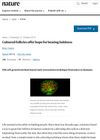
Growing hair follicles from cultured cells could potentially treat baldness, but more research is needed.
 May 2009 in “Hair transplant forum international”
 Androgens affect hair growth and shedding, with genetic and non-genetic factors influencing baldness.
November 2024 in “Genomics” Melatonin boosts hair growth in cashmere goats by helping certain cells multiply.
October 2021 in “The journal of investigative dermatology/Journal of investigative dermatology” Desmoglein 3 is important for keeping hair follicle stem cells inactive and maintaining their special properties.
September 2016 in “Journal of dermatological science” Human induced pluripotent stem cells can be used to create cells that help grow hair.
January 2015 in “Hair transplant forum international” Female pattern hair loss is different from male pattern hair loss and has unclear genetic causes.
305 citations
,
December 2000 in “The EMBO Journal” Inhibiting Bmp signaling disrupts hair growth and differentiation.