 38 citations
,
July 1998 in “Journal of surgical oncology”
38 citations
,
July 1998 in “Journal of surgical oncology” A woman with breast cancer developed a rare condition causing excessive fine hair growth on her face and body.
 23 citations
,
April 2010 in “Clinical, cosmetic and investigational dermatology”
23 citations
,
April 2010 in “Clinical, cosmetic and investigational dermatology” Bimatoprost ophthalmic solution 0.03% safely and effectively increases eyelash growth when applied to the upper eyelid.
 April 2017 in “Journal of Investigative Dermatology”
 Deep phenotyping helps distinguish between xeroderma pigmentosum and trichothiodystrophy, aiding in diagnosis and treatment.
 22 citations
,
September 2015 in “Clinical lymphoma myeloma & leukemia/Clinical lymphoma, myeloma and leukemia”
22 citations
,
September 2015 in “Clinical lymphoma myeloma & leukemia/Clinical lymphoma, myeloma and leukemia” Recognizing and treating skin symptoms in essential thrombocythemia is crucial for patient quality of life.
3 citations
,
February 2022 in “Canadian Medical Association Journal” Severe hypothyroidism can cause eyebrow hair loss, but improves with thyroid hormone treatment.
8 citations
,
August 2019 in “JAAD case reports” Chronic cutaneous lupus erythematosus causes scarring, hair loss, and skin discoloration, especially on sun-exposed areas.

A man with a rare lung-focused form of hypereosinophilic syndrome improved with steroid treatment.
186 citations
,
October 1957 in “A M A Archives of Dermatology” Alopecia mucinosa is a challenging condition with unclear diagnosis and treatment.
2 citations
,
September 2017 in “Journal of Zoo and Wildlife Medicine” An addax had skin cancer that spread to lymph nodes and was euthanized.
 May 2021 in “Our Dermatology Online”
 A woman with a rare scalp condition causing a thick scalp and hair loss didn't improve with steroid treatment.
 30 citations
,
June 2006 in “British journal of dermatology/British journal of dermatology, Supplement”
30 citations
,
June 2006 in “British journal of dermatology/British journal of dermatology, Supplement” Oral zinc sulphate reduces dark hair color in mice.
 January 2026 in “Acta Dermatovenerologica Alpina Pannonica et Adriatica”
 Accurate diagnosis is crucial for effectively treating severe alopecia and related symptoms.
7 citations
,
August 1971 in “JAMA” Tinea faciale can be mistaken for lupus due to similar symptoms.
13 citations
,
January 2018 in “Skin Appendage Disorders” Dermoscopy improves diagnosis and treatment planning for trichostasis spinulosa.
June 2023 in “Dermatopathology” A woman had a unique skin growth with hair follicle, oil glands, fat cells, spindle cells, and nerve fibers.
 6 citations
,
April 2020 in “Cureus”
6 citations
,
April 2020 in “Cureus” A woman with both TLE and SLE improved with hydroxychloroquine treatment.
4 citations
,
November 2024 in “BMC Ophthalmology” Surgical removal of eyelid mass showed it was non-cancerous, with no recurrence after one year.
 February 2022 in “Cleveland Clinic Journal of Medicine”
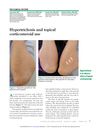
 Prolonged use of topical corticosteroids can cause excessive hair growth.
July 2024 in “LA Referencia (Red Federada de Repositorios Institucionales de Publicaciones Científicas)” Adipose tissue and eccrine gland displacement are common in certain alopecias but don't help differentiate between them.
24 citations
,
July 2005 in “Journal of the American Academy of Dermatology” A woman's eyelashes grew thicker and longer after taking topiramate, but returned to normal when she stopped the medication.
 January 2025 in “Annals of Thoracic and Cardiovascular Surgery”
 Removing the thymoma improved the patient's alopecia areata, suggesting a possible link between the two.
36 citations
,
March 2014 in “Annals of the Rheumatic Diseases” Activating liver X receptors can reduce fibrosis by stopping certain immune cells from releasing harmful proteins.
 January 2026 in “Figshare”
 Finasteride can cause melasma, especially in people with darker skin.

Patients with lichen planopilaris have a higher risk of heart disease.
9 citations
,
January 2002 in “Dermatology” Reduced CD44 expression may cause abnormal hyaluronate buildup in cutaneous myxoma.
February 2013 in “Journal of the American Academy of Dermatology” 11 citations
,
April 2012 in “American Journal of Dermatopathology” Adenolipomas may develop from gland entrapment by fat tissue, showing complex and varied forms.
5 citations
,
March 2005 in “Pediatric dermatology” Keratosis Follicularis Spinulosa Decalvans is a rare genetic disorder causing skin and hair issues, often inherited through the X chromosome.
September 2018 in “Dermatologic Surgery” 4 citations
,
April 1983 in “The Journal of Dermatology” A 15-year-old girl with hypothyroidism had excess hair and skin issues due to blocked hair follicles.