October 2025 in “Figshare” Deuruxolitinib effectively treats alopecia areata but may cause manageable side effects.
2 citations
,
September 2023 in “Journal of the American Academy of Dermatology” CTP-543 effectively promotes hair regrowth in adults with moderate to severe alopecia areata.
13 citations
,
January 2021 in “The American journal of gastroenterology” Sirolimus effectively reduces lesions and improves quality of life in Blue Rubber Bleb Nevus Syndrome with manageable side effects.
January 2024 in “Acta dermato-venereologica” November 2025 in “SKIN The Journal of Cutaneous Medicine” Baricitinib is effective and safe for treating severe alopecia areata for up to 5 years.
 April 2023 in “Journal of the American Academy of Dermatology”
 Switching between the medications tofacitinib and baricitinib can be effective for treating hair loss in alopecia areata.
New cancer drugs can cause skin side effects like rashes, dry skin, hair changes, and nail problems.
 January 2024 in “Wiadomości Lekarskie”
 Uveal melanoma is hard to treat when it spreads, but a new drug, tebentafusp, helps patients live longer.
1 citations
,
May 2024 in “Pediatric Blood & Cancer” Trametinib can effectively treat severe kaposiform lymphangiomatosis when other treatments fail.
 January 2024 in “American journal of clinical dermatology”
 Ritlecitinib is safe and well-tolerated for treating alopecia areata in patients aged 12 and older.
 November 2023 in “Annales de dermatologie et de vénéréologie, FMC”
 Baricitinib effectively treats severe alopecia for up to 104 weeks.
July 2022 in “European Journal of Dermatology” Brodalumab is more effective than ustekinumab in treating psoriasis.
3 citations
,
April 2020 in “PubMed” Combining DEB-BACE with chemotherapy is more effective and has fewer side effects than chemotherapy alone for treating unresectable lung squamous cell carcinoma.
 8 citations
,
December 2008 in “Clinical and Experimental Dermatology”
8 citations
,
December 2008 in “Clinical and Experimental Dermatology” Radiotherapy was effective for treating a large scalp plaque of Bowen's disease when other treatments failed.
Bempikibart may help regrow hair in people with alopecia areata.
10 citations
,
September 2016 in “Journal of cutaneous medicine and surgery” Patients on dabrafenib and trametinib for melanoma often experience skin side effects.
 January 2025 in “Balkan Medical Journal”
 Baricitinib helps regrow hair in severe alopecia areata and is safe, but more research is needed.
 November 2025 in “SKIN The Journal of Cutaneous Medicine”
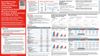
 Baricitinib works better in adolescents than adults for treating severe alopecia areata.
 March 2022 in “International Journal of Trichology”
 Tofacitinib may be effective for treating hair loss caused by alopecia areata that doesn't respond to other treatments.
The treatment was ineffective in humans.
2 citations
,
October 2025 in “Frontiers in Medicine” Deuruxolitinib effectively improves hair regrowth in alopecia areata but requires monitoring for side effects.
 2 citations
,
November 2014 in “The journal of investigative dermatology/Journal of investigative dermatology”
2 citations
,
November 2014 in “The journal of investigative dermatology/Journal of investigative dermatology” Oral tofacitinib can treat both psoriasis and alopecia universalis by normalizing inflammatory pathways.
6 citations
,
December 2018 in “Ophthalmic Plastic and Reconstructive Surgery” Afatinib can cause eyelash and eyebrow issues, leading to eye irritation and pain.
54 citations
,
September 2012 in “Acta ophthalmologica” Cancer treatments can cause various eye problems, so eye doctors should know how to diagnose and treat these early.
1 citations
,
September 2023 in “Journal of the American Academy of Dermatology” Continued ritlecitinib treatment can lead to hair regrowth in some patients with alopecia areata who initially don't respond.
 January 2025 in “Recent Patents on Anti-Cancer Drug Discovery”
 The treatment showed high response rates and was well-tolerated, potentially extending patient survival.
 11 citations
,
November 2019 in “Journal of the American Academy of Dermatology”
11 citations
,
November 2019 in “Journal of the American Academy of Dermatology” Oral tofacitinib is a promising treatment for beard hair loss in alopecia areata.
 October 2024 in “American Journal of Case Reports”
 Baricitinib improved hair loss and arthritis in a lupus patient.
Baricitinib works better than methotrexate for severe alopecia areata.
Ritlecitinib significantly regrows scalp hair in people with alopecia areata.