2 citations
,
February 2023 in “International journal of molecular sciences” Tetrathiomolybdate reduces hair growth marker in skin cells by boosting harmful oxygen molecules, but effects can be reversed.
 1 citations
,
July 2023 in “Foods”
1 citations
,
July 2023 in “Foods” Mushrooms offer benefits for food, energy, and water security, and have potential uses in health and environmental applications.
January 2026 in “Molecules” Dihydroartemisinin could be a versatile cosmetic ingredient but needs more research and development.
August 2025 in “Therapeutics” Low-dose DMSO may help treat castration-resistant prostate cancer by reducing key cancer cell receptors.
Hair RiseTM microemulsion effectively promotes hair growth and treats hair loss better than standard treatments.
March 2024 in “International journal of molecular sciences” Mitochondrial dysfunction is linked to various skin conditions and could be a target for treatments.
 November 2023 in “Brain Sciences”
 Some medications might contribute to male infertility, with finasteride showing a high number of reports.
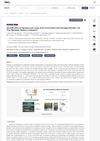 September 2023 in “Biomedicines”
 Squalene may be a marker for certain types of alopecia.
76 citations
,
February 2024 in “International Journal of Molecular Sciences” Hydrogels show promise for improving skin wound healing.
 30 citations
,
February 2022 in “Pharmaceutics”
30 citations
,
February 2022 in “Pharmaceutics” 3D bioprinting improves wound healing by precisely creating scaffolds with living cells and biomaterials, but faces challenges like resolution and speed.
7 citations
,
November 2025 in “Pharmaceutics” Polymer- and lipid-based nanostructures can improve wound healing by controlling contamination, supporting cell growth, and aiding tissue repair.
 4 citations
,
February 2022 in “Nutrients”
4 citations
,
February 2022 in “Nutrients” Korean Red Ginseng saponins may protect skin from inflammation and darkening caused by air pollution.
 July 2025 in “Pharmaceuticals”
 Phenobarbital-loaded chitosan nanoparticles are promising for preventing hair loss from chemotherapy.
169 citations
,
October 2020 in “Pharmaceutics” Polysaccharide-based nanofibers are promising for better wound healing.
130 citations
,
December 2022 in “Antioxidants” Natural polysaccharides have strong antioxidant properties that help fight diseases like Alzheimer's, diabetes, and heart disease.
122 citations
,
December 2022 in “International Journal of Molecular Sciences” Nanoparticles improve skin treatment but need more research on safety and effectiveness.
46 citations
,
April 2021 in “International Journal of Molecular Sciences” Curcumin shows promise in reducing pain and inflammation, but more research is needed.
45 citations
,
November 2024 in “International Journal of Molecular Sciences” Functional foods and nutrients like flavonoids, vitamin D, omega-3s, and probiotics can boost brain health and reduce stress.
29 citations
,
March 2022 in “Biomedicines” Enhancing antioxidant responses can improve treatments for various diseases.
22 citations
,
November 2023 in “Molecules” Smart microneedles can deliver drugs painlessly and accurately for diseases like diabetes and tumors.
21 citations
,
February 2023 in “Pharmaceuticals” Pomegranate leaves can be a cost-effective source of beneficial ingredients for health and skincare products.
17 citations
,
February 2023 in “Cosmetics” 3D printed hollow microneedles could effectively treat skin wrinkles with fewer side effects.
15 citations
,
April 2023 in “Biology” Plant and algal lipid droplets are promising for natural oil production but need better extraction methods.
12 citations
,
June 2023 in “International Journal of Molecular Sciences” Innovative biomaterials show promise in healing chronic diabetic foot ulcers.
 12 citations
,
September 2022 in “Foods”
12 citations
,
September 2022 in “Foods” Some nutraceuticals may help in COVID-19 prevention and treatment, but more research is needed.
11 citations
,
June 2025 in “Polymers” Polysaccharide-based niosomes improve drug delivery and show promise in cancer therapy but face challenges in scalability and stability.
11 citations
,
November 2023 in “Journal of Functional Biomaterials” The ALGCS/GO30 scaffold effectively boosts mouse spermatogonial stem cell growth.
11 citations
,
April 2021 in “Cancers” Activating GLI1 signaling without primary cilia could be a promising treatment for neuroblastoma.
10 citations
,
September 2022 in “Journal of Composites Science” Cricket nanochitin is denser and stronger than crab nanochitin.
8 citations
,
January 2025 in “Gels” The developed nasal gel improves cilostazol delivery to the brain, enhancing its effectiveness and reducing side effects.